


 Munzir Hakimi
Table of Contents
Introduction
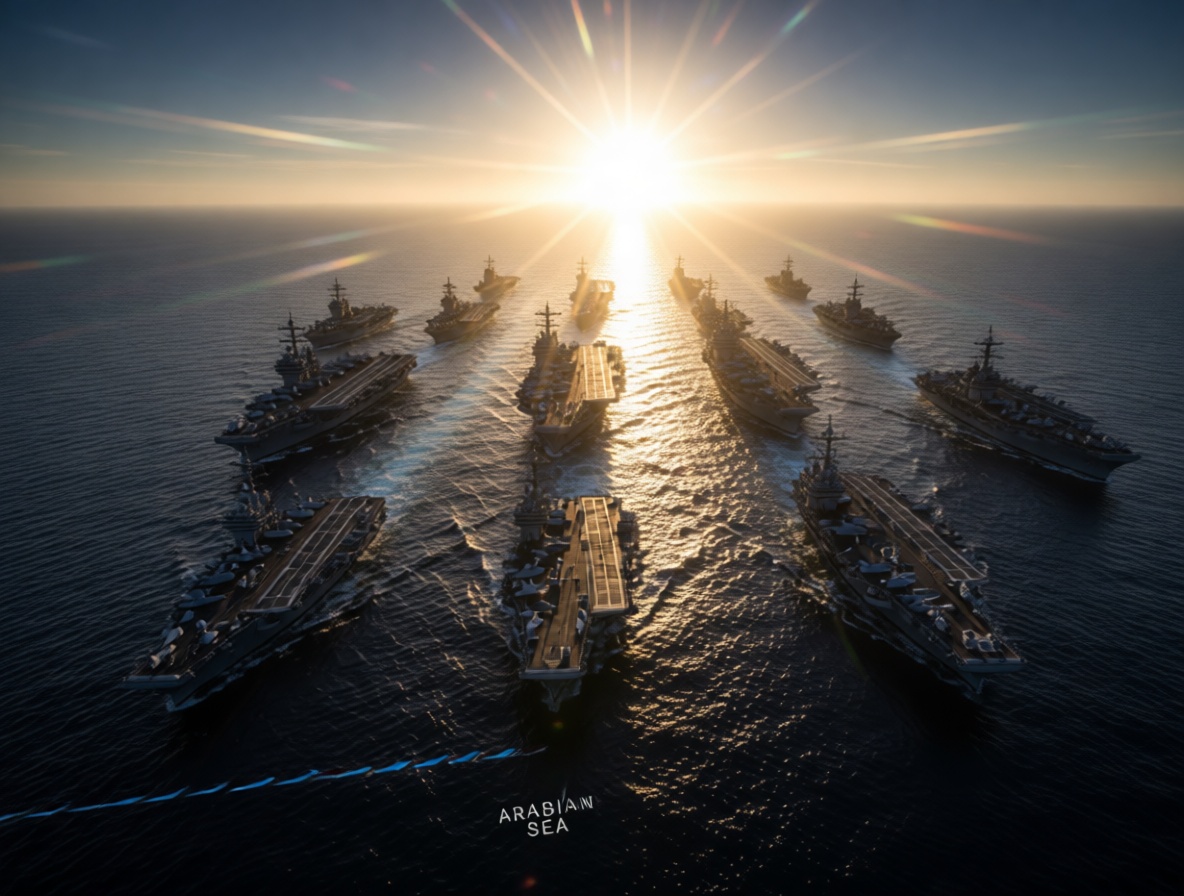
Imagine it’s a normal morning and you hear that 20 warships have just taken position in the Middle East. It sounds distant, almost like a movie scene. But that kind of military move ripples through global fuel markets faster than you’d think.
Oil tanker crews get nervous and delay sailings. That wait drives up oil prices worldwide. And then insurers slap higher fees on any ship that still dares to cross those waters. Each of these three factors quietly reaches your daily life—starting with the price you pay every time you pull up to a gas pump.
When Warships Show Up, Tankers Stop Moving
The moment those warships anchor in the region, everything changes for oil tanker crews. They look at the horizon and see a real risk of being stopped or boarded. No captain wants to put their ship and crew in harm’s way, so they simply delay departure.
That hesitation might last a few hours or stretch into days. And here’s where it hits home: every day a tanker waits is a day oil doesn’t move. Fewer shipments mean tighter supply, and tight supply is what makes prices start to creep up.
You might not think about tankers when you drive to work, but their fear of interception becomes your uncertainty at the pump. It’s a quiet, invisible chain—and it starts with a single warship on the horizon.
Your Next Fill-up Might Cost More
If that blockade drags on, the whole world feels it. Global oil prices don’t stay local—they spread like a bad cold through every country that imports fuel. And when crude goes up, the price at your local gas station follows.
Think about your weekly budget. A few extra cents per litre or gallon might not seem like much, but it adds up fast. That extra cost means less money for groceries, entertainment, or savings. It’s a small change that nags at your daily choices.
The emotion here is real frustration—you didn’t cause this, yet you end up paying the price. And the longer the blockade continues, the deeper that pinch gets. It turns a faraway political move into a personal financial headache.
Shipping Companies Reroute To Avoid Risky Waters
Maritime insurers watch these situations closely. When risk goes up, they raise premiums on ships passing through the region. That extra cost is passed directly to shipping companies, who then have to decide: pay more or take a different route.
Most choose to reroute. Longer journeys burn extra fuel and take more time. So what does that mean for you? Goods you order, from electronics to clothes, could arrive later or cost more because shipping companies are avoiding that dangerous corridor.
It’s a strange feeling—knowing that an insurance decision made in a distant office affects the price tag on your next online purchase. You start to realize how interconnected everything really is, and how a warship’s presence can quietly rearrange global trade routes.
Conclusion

After reading about delayed tankers, higher oil prices, and rerouted ships, it’s easy to feel small in a big world. But the truth is, these changes are not abstract—they show up in your everyday decisions. That premium increase from an insurer doesn’t just affect a shipping executive; it eventually lands on your doorstep.
So the next time you hear about warships in a conflict zone, remember that your wallet and your daily routine are connected to those distant waters. It’s a reminder that the world runs on fuel, and when that fuel gets harder to move, everyone feels the ripple. You can’t stop it, but understanding it gives you a better sense of why prices change and why your choices matter.
What do you think? Does knowing Earth’s “delivery story” change how you feel when you look at the stars?


