


 Munzir Hakimi
Table of Contents
Introduction
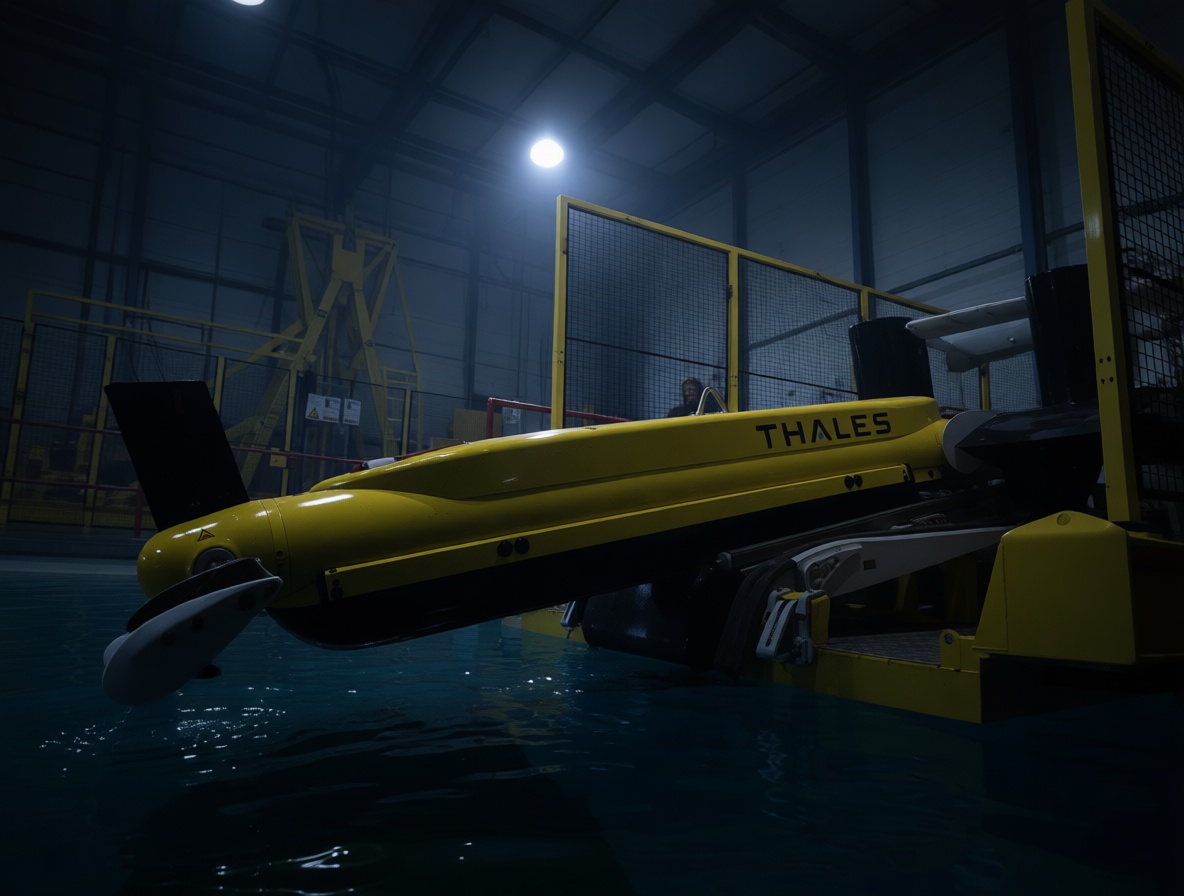
Imagine a sailor’s job: long hours, hidden dangers, and the constant worry that the next underwater mine or enemy submarine could end everything. That fear just got a lot more real—and a lot more hopeful—with the recent $4.5B Thales-Exail deal. Suddenly, navy planners everywhere are hitting the refresh button on their unmanned drone strategies, budgets are being squeezed to keep up, and tech companies are scrambling to shift from building expensive manned ships to smarter, safer robot vessels. This isn’t just a business move; it’s a signal that the human cost of naval warfare might finally drop. The stakes couldn’t be higher for the men and women who serve beneath the waves.
Naval Strategists Rethink Their Unmanned Fleet Plans
When Thales dropped the news of the $4.5B Exail deal, it wasn’t just a headline for investors. Inside naval offices around the world, strategists felt a jolt. They’d been planning their own robot fleets for years, but this deal changed the game overnight. The pressure to rethink everything is now impossible to ignore.
Why does this matter to you or your neighbor who serves? Because every delay in adopting unmanned systems means sailors still take risks that could be avoided. Imagine a young sonar operator sitting in a cramped submarine, listening for threats that a drone could detect from miles away. That human fear—and the hope that a robot could take the hit instead—is what’s driving these reassessments. These strategists are now racing against time to protect lives, not just budgets.
For the average person, it means future naval operations could feel less like a tense gamble and more like a calculated, safer mission. But only if planners act fast. The Thales-Exail deal lit a fuse, and every country’s navy is now asking: ‘Are we already behind?’
Budget Pressure Forces Nations To Invest Or Risk Obsolescence
Navy budgets are always a fight—ships cost billions, and every dollar spent on one thing is a dollar not spent on something else. But the $4.5B Thales-Exail deal threw a wrench into those calculations. Countries now face a harsh choice: either pour money into similar drone capabilities or accept that their fleet will become outdated.
Think about what obsolescence means for a nation’s defense. It’s not just about having old hardware; it’s about putting sailors in harm’s way because the enemy has smarter, faster drones. That’s a terrifying thought for any commander. The emotional weight of that decision falls on defense ministers who know that underfunding drones today could cost lives tomorrow.
For taxpayers, this is the moment when their money matters most. If your country doesn’t invest in unmanned systems, your navy might be outmatched in a crisis. The consequence is simple: either you pay now for safer technology, or you pay later with higher risks and potentially worse outcomes. No one wants to be the one who chose obsolescence.
Companies Race To Integrate Autonomy Software Into Drones
With the Thales-Exail deal finalized, the real work begins. Companies like Thales aren’t just buying hardware—they’re buying the brain that makes a drone think for itself. The race to integrate Exail’s autonomy software is shifting R&D budgets from human-crewed systems to completely unmanned platforms.
What does that shift feel like? For engineers who once worked on designing cockpits and life-support systems, it’s a strange new world. They now focus on algorithms that let a drone navigate underwater minefields or track submarines without a human at the controls. This change is personal for the sailors who would have been inside those cockpits—they’re watching their jobs transform or disappear.
But there’s hope in that transformation. If the software works as promised, a drone could do the dangerous scout work while sailors stay safe on a surface ship miles away. The consequence is a future where fewer families receive the news they dread most. That’s the real prize of this race: bringing sailors home alive.
Conclusion

The Thales-Exail deal isn’t just about a corporate merger or a new gadget—it’s about redefining who takes the ultimate risk. By pouring resources into autonomy software and unmanned platforms, the industry is quietly saying that human life should not be the first asset on the front line. That shift feels like a lifeline for sailors and their loved ones.
What can you take away from this? Next time you read about a naval exercise or a budget debate, remember that behind the numbers is a simple question: are we building machines to shield people from harm? The answer is becoming clearer every day. And if this deal accelerates that trend, then the biggest winner isn’t a company—it’s every sailor who can now hope for a safer tour. That hope is worth billions.
What do you think? Does knowing Earth’s “delivery story” change how you feel when you look at the stars?