


 Munzir Hakimi
Table of Contents
Introduction
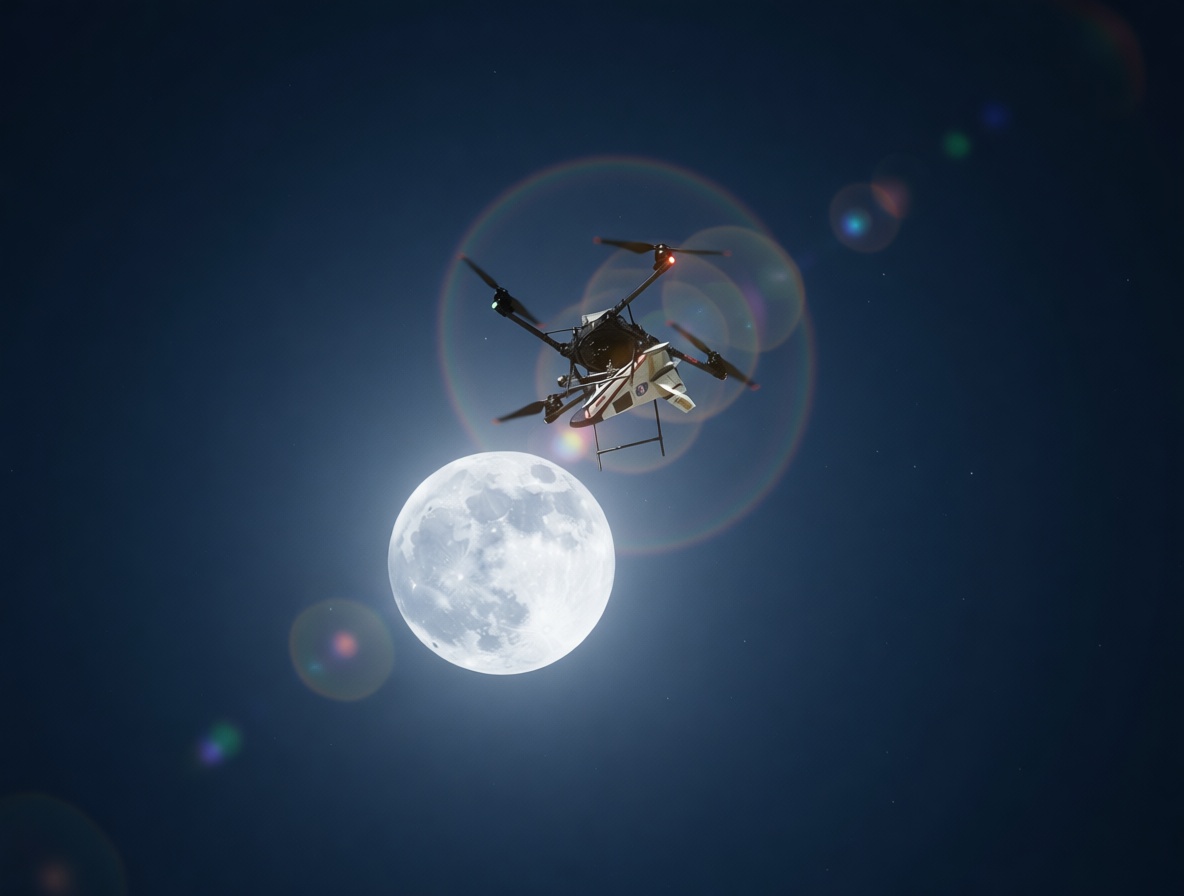
Imagine if we could test new airplane technology without risking lives or millions of dollars. That’s exactly what NASA is doing with small, remote-controlled planes.
These little flights give engineers real data instantly, speeding up development. That means your future flights could be safer and cheaper. And companies everywhere are catching on, swapping huge risky tests for small smart ones.
Testing Without The Risk
When NASA Armstrong flies a remotely piloted subscale aircraft, engineers don’t just guess—they get instant real-world data without strapping a human into an untested prototype. It’s like test-driving a new car with a remote control and no danger.
The emotional payoff is relief and wonder. Nobody gets hurt if the small plane stalls or breaks. We learn what works and what doesn’t without the heavy cost of a crash.
For you, this means trust in every flight you take. When you eventually step onto a plane with that new design, you can feel at ease knowing it was tested in small, safe steps first.
Your Flight Gets Better Faster
Because these subscale tests are so fast and cheap, the whole development cycle speeds up. New flight technologies that once took decades now arrive in years or months.
This gives you hope for cheaper travel and sooner upgrades. You’ll see better safety features, more fuel-efficient engines, and advanced navigation in your daily flights sooner. Airfreight also gets cheaper, meaning packages arrive faster and cost less.
Imagine checking flight prices next year and finding them lower, or ordering something online and getting it overnight. That’s the direct impact of this accelerated testing.
Smart Companies Start Small
Instead of building a full-scale, multi-million dollar prototype right away, aerospace companies now validate their ideas using agile, small-scale experiments. It’s like a chef testing a new recipe with a tiny batch before cooking for a crowd.
The emotional relief comes from less money wasted on designs that don’t work. Companies can try wild ideas without bankrupting themselves. The result: more innovation and safer tech for us.
For you, it’s a promise. Every time you board a plane from a major airline, you’re benefiting from this smarter approach. The small test flights done years ago are why today’s jets are so reliable.
Conclusion

So the next time you hear about a small remote-controlled plane buzzing over a desert, remember that it’s part of a huge shift. Aerospace giants are learning to fail small and succeed big.
That means the sky is getting safer, one tiny test flight at a time. You can trust that your next trip will be built on lessons learned without unnecessary risk.
What do you think? Does knowing Earth’s “delivery story” change how you feel when you look at the stars?


