


 Munzir Hakimi
Table of Contents
Introduction
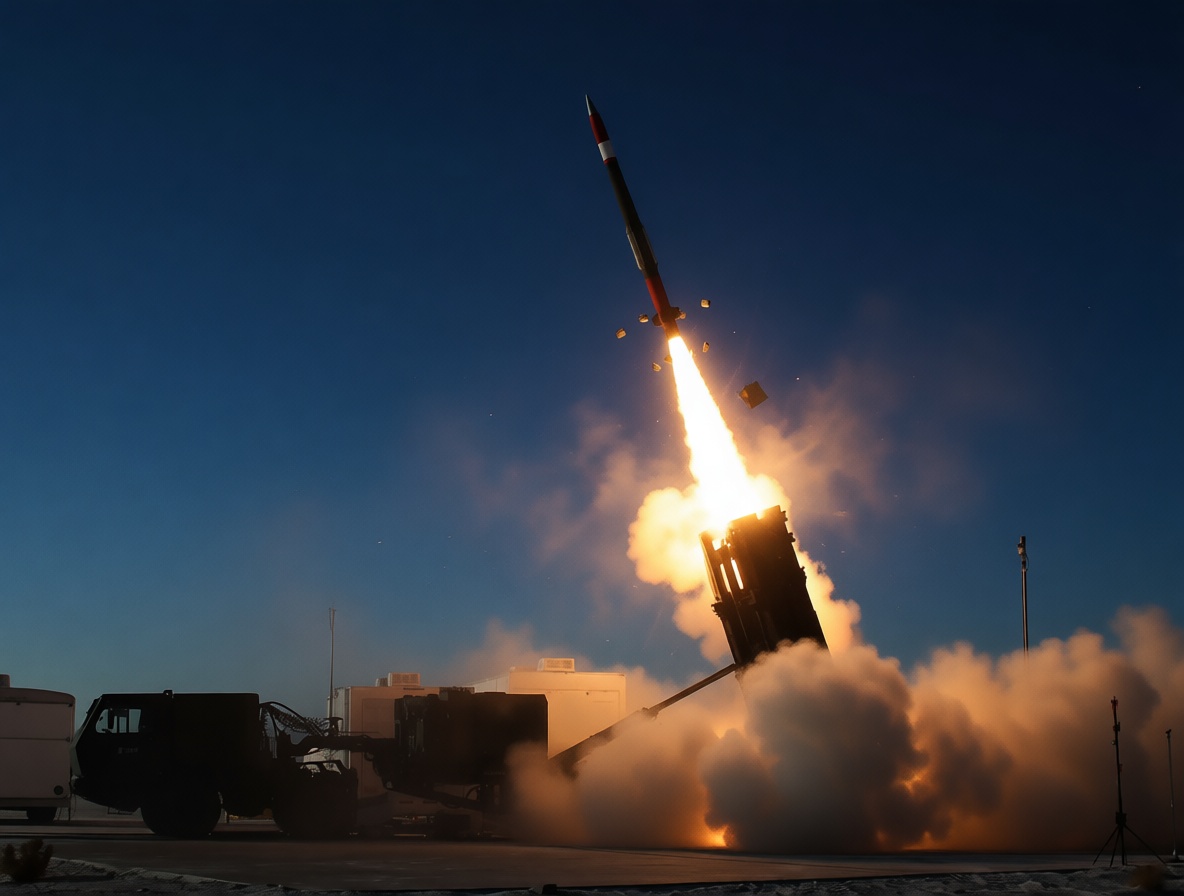
For Ukrainian families, the news felt like a flash of light in a long dark tunnel. A license to finally build their own Patriot missile systems at home. It’s the kind of hope that makes people sit up a little straighter, imagine a safer bedtime for their kids. But that hope comes with a heavy side of frustration, because the actual systems won’t be ready for years.
Right now, the country relies on foreign-supplied Patriots to keep the skies safe. The promise of homemade ones eases fears about running out of help from abroad, yet it also strains already tight budgets. And behind the scenes, factories are starting to shift gears — retooling from importing parts to building advanced missiles themselves. It’s a story of hope, money, and the long road between a dream and a real shield.
Hope Meets A Long Wait
When Ukraine got the green light to produce its own Patriot systems at home, it felt like a door finally cracked open. For people who have been living under the threat of missiles, that license isn’t just paperwork — it’s a promise of someday protecting their own streets with their own hands. You can almost hear the collective deep breath: maybe we won’t always have to rely on others.
But that breath gets stuck in your throat when you realize how long it will take. Years. Not months. That wait turns hope into a bitter kind of patience. Every day without a homemade shield is another day families eye the sky with familiar dread. The license stirs excitement, but the deployment timeline gnaws at you. What good is a future promise when the present feels so fragile?
So Ukrainians are left holding two feelings at once: the thrill of someday and the weight of right now. It’s the kind of frustration that makes you check the news hourly, wondering when that factory will actually start rolling out the first system. For a parent, that wait feels personal — because every year of waiting is another year of worrying.
Foreign Shields And Homemade Dreams — At What Cost?
For now, the only Patriots standing guard over Ukrainian cities are the ones sent by allies. Those foreign systems have been a lifeline, allowing families to sleep a little easier knowing something is watching the skies. But relying on them comes with a constant worry: what if the supply slows down? What if political winds change? The promise of homemade systems takes that worry off the table — but puts a new one in its place: money.
Building your own advanced missile defense is incredibly expensive, and budgets are already stretched thin. Every dollar spent on a new factory or a prototype is a dollar that can’t go to hospitals, schools, or rebuilding homes. Families feel this tension when they see the government talking about big defense contracts while their own neighborhood roads crumble. They get the why, but the cost stings.
It’s a trade-off that feels deeply personal. Your safety and your family’s daily life are pulling in opposite directions. The homemade Patriot promises long-term security, but the short-term strain on finances makes you wonder if you’ll ever get to enjoy the peace it’s supposed to bring. For many, it’s less a celebration and more a quiet, anxious calculation.
Retooling For A Self-made Defense
Inside Ukrainian defense factories, something is shifting. Workers who used to spend their days assembling imported components are now learning to build something from scratch. The retooling isn’t just about machinery — it’s about a whole new mindset. Instead of waiting for shipments from abroad, they’re asking, “What do we need to make this ourselves?” It’s a gritty, determined pivot that feels like taking control of your own future.
For the people on the ground, this change is both inspiring and exhausting. You can feel the pride in the air when a factory manager says they’re moving from imports to advanced missile systems. But pride doesn’t pay the overtime, and the learning curve is steep. Every new production line means training, testing, and troubleshooting. Families of those workers feel the strain too: longer hours, more stress, and the quiet hope that all this effort actually pays off.
The real consequence hits home when you realize what this retooling means. It’s not just about missiles — it’s about national identity. Ukrainians are betting that building their own defenses will one day mean fewer sleepless nights. For now, it means a lot of hard, gritty work. But every factory humming with new purpose sends a message: we are not just waiting for protection — we are building it ourselves.
Conclusion

Watching these factories retool, you can’t help but feel a mix of awe and impatience. The shift from importing to building is a huge step forward, but it’s not a finished picture. It’s more like the first brushstroke on a very large canvas. For Ukrainian families, the real meaning of this change isn’t in the factory walls — it’s in the quiet moments when they wonder if the next generation will ever have to live under the same fear.
What stays with you is the effort itself. The grit of choosing to build your own shield even when it’s harder, more expensive, and slower. That choice says something about who we are. And for anyone watching from the outside, it’s a reminder that true safety isn’t just something you receive — it’s something you have to be willing to create, piece by piece, even when the finish line is still far away.
What do you think? Does knowing Earth’s “delivery story” change how you feel when you look at the stars?