

 Munzir Hakimi
Table of Contents
Introduction
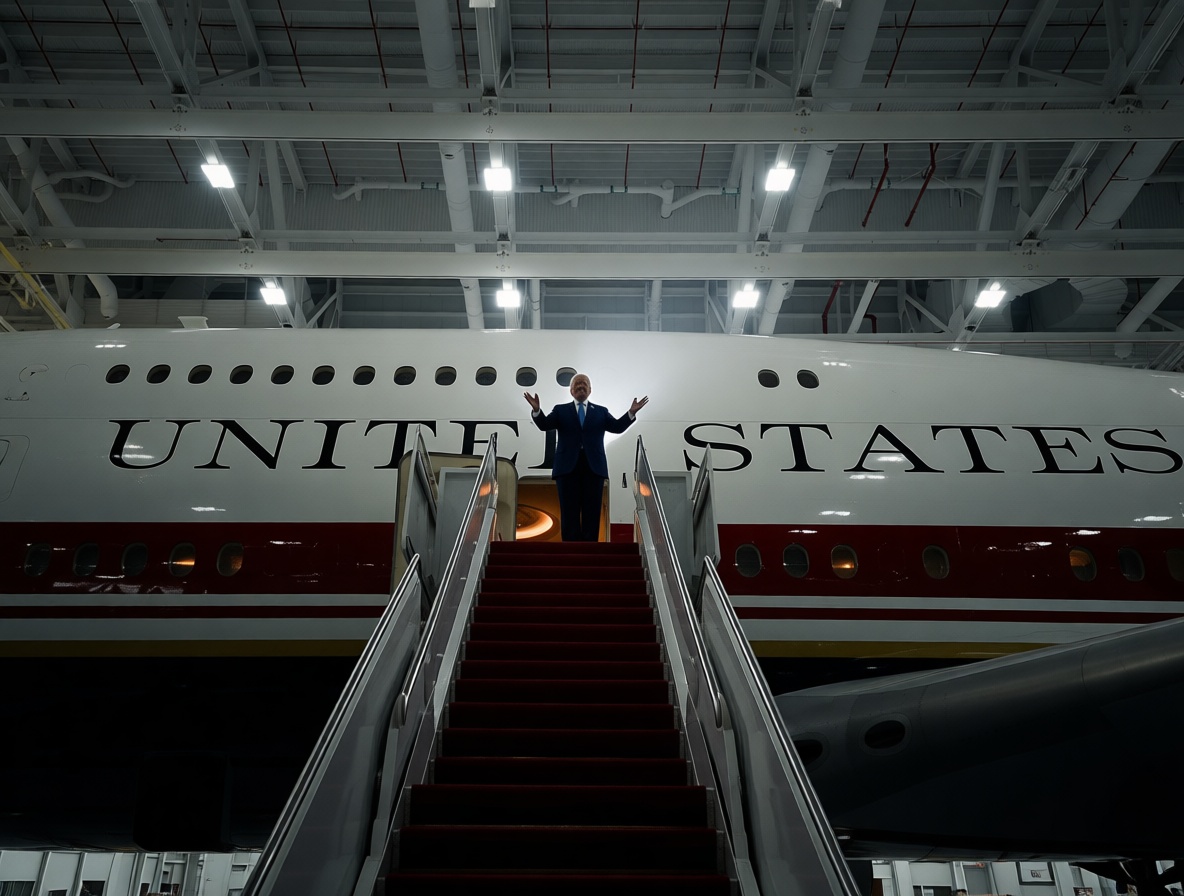
Imagine a plane that carries the most powerful person on Earth – but it wasn’t built by your country. That just happened. A Qatari-donated jet served as Air Force One for the first time, flying a U.S. president to North Dakota. It raises a question you never thought you’d ask: how safe is a gift when national security is on the line?
This isn’t just a curiosity. It forces security teams to rewrite their playbooks. It puts pressure on military budgets and timelines. And it changes how the entire presidential fleet is maintained. For anyone who cares about safety, money, and trust, this story hits closer to home than you think.
When A Gifted Plane Changes The Rules
For the first time, a plane donated by Qatar carried a U.S. president under the call sign Air Force One. The destination was North Dakota. That single flight flipped a switch inside every security team involved. They had to adapt protocols on the fly – because nothing about this aircraft was standard.
Think about it: every bolt, every wire, every system on a normal presidential plane is vetted for years. But a foreign-donated jet? That comes with unknowns. Security teams had to figure out if the plane was truly secure, if any hidden risks existed, and how to respond if something went wrong mid-flight. This is the kind of pressure that keeps you up at night.
What does that mean for you? It means the next time you see Air Force One on the news, you’ll wonder who built it and how safe it really is. That uncertainty now lives in the real world – not just in conspiracy theories.
Why A Donation Strains The Pentagon’s Wallet
A free plane sounds like a bargain – until you realize it forces hard choices. This donation didn’t just arrive; it pressured military procurement budgets and decision timelines for how the U.S. sources presidential transport. The Pentagon now has to scramble to adjust spending plans that were set years in advance.
Military purchases are slow, careful, and locked into long cycles. A sudden gift throws all that out of whack. Money that was earmarked for one project might need to shift. Deadlines for new aircraft orders get squeezed. It’s like being handed a car you didn’t ask for – and now you have to pay for its upkeep on your existing budget.
For taxpayers, that’s a real consequence. Every dollar redirected to handle this donation is a dollar not spent on something else. Your taxes are now paying for the unexpected cost of a foreign gift – and that might mean fewer resources for other defense needs.
The New Reality Of Keeping A Gifted Jet Safe
Once a foreign-donated aircraft enters the presidential fleet, everything changes. The military now has to incorporate that plane into its security and maintenance protocols – from how it’s guarded to how it’s repaired. It’s not just another plane; it’s a potential vulnerability if not handled right.
Security teams must treat the jet like a high-risk asset. They need to verify every part, every software update, every maintenance log. And since the plane came from another country, they can’t rely on typical supply chains or trusted vendors. That means additional layers of inspection, new training for crews, and constant vigilance.
For you, this raises a simple but unsettling thought: how much do we really trust a gift from a foreign government? It’s not about politics – it’s about the practical, everyday safety of the person who represents the nation. That trust now has to be earned all over again, one protocol at a time.
Conclusion

So what does this all mean for you? The idea of a foreign-donated presidential plane isn’t just a headline – it’s a real shift in how the military does business. From now on, every time a president boards a plane, a part of the security equation came from another country. That changes the feeling of safety, even if the protocols are solid.
What you can take away is this: national security isn’t just about hardware; it’s about trust. And trust has to be rebuilt every time a new risk appears. Stay curious, because the choices made behind the scenes affect your world too. The next time you see Air Force One, you’ll know a little more about the invisible work that keeps it in the air.
What do you think? Does knowing Earth’s “delivery story” change how you feel when you look at the stars?