


 Munzir Hakimi
Table of Contents
Introduction
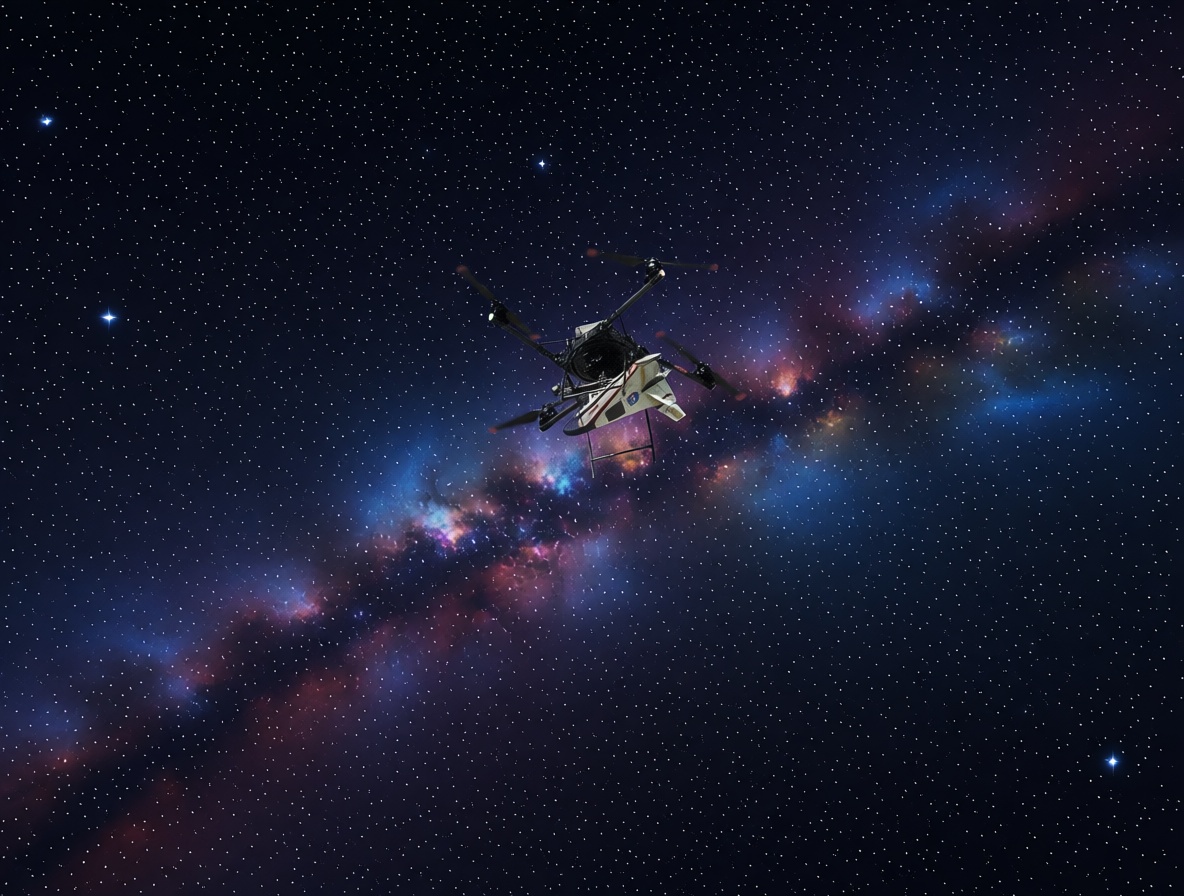
You probably don’t think about test flights when you book a ticket. But the next time you fly, you might pay less—or feel safer—because of something tiny. Small, unmanned aircraft are being crashed on purpose just to learn what goes wrong. That sounds strange, but it’s a brilliant trick.
These miniature tests let engineers find failures cheaply. They learn fast without risking big budgets. That knowledge directly affects the planes we ride. It helps bring new safety features to market quicker. And it cuts costs that get passed on to you. Your next flight could be cheaper and safer because of these little flying experiments.
Learning From A Crash
Imagine watching a plane you built spiral out of control. Most people would feel panic. But for engineers testing small drones, this is a golden moment. They don’t just shrug it off. They dive into the data. Every failure becomes a cheap lesson that saves money later.
Think about it: crashing a tiny model costs pennies compared to a full-sized jet. That means they can try riskier ideas without fear. So what does this mean for you? It means engineers are learning what doesn’t work without those costs ever reaching your ticket. The more they crash now, the less likely your flight will have problems. Your safety improves without you ever knowing.
This is the opposite of old-school testing where you build one big, expensive prototype and pray. Now, they break things on purpose in miniature. Every crash teaches something new. It’s like a flight school that never has to worry about the bill. These little failures are building a safer future for all of us.
Saving Time And Money In The Sky
Nobody likes paying more for a plane ticket. But the cost of developing new flight tech is huge. That’s where these miniature tests make a huge difference. Because they’re quick and low-risk, companies can try many more ideas in less time. That slashes the time and money needed to perfect new systems.
Think of it like cooking a new recipe. Instead of making one giant expensive cake and hoping it works, you bake tiny cupcakes first. If one fails, you just toss it and try again. For aircraft, this means new safety features or fuel-saving designs get to market in years instead of decades. You get more reliable flights sooner.
When development costs drop, ticket prices can follow. Airlines don’t have to pass on huge research bills. Plus, safer technology means fewer delays and fewer scares. Imagine booking a flight knowing the plane’s systems were tested hundreds of times in miniature. Every crash test today is a discount for you tomorrow.
Thinking Small To Fly Big
Big aerospace companies used to build huge, expensive prototypes. One mistake could cost millions. That made them cautious and slow. But now, they’re copying the tiny test approach. They build small models first, crash them, learn, and repeat. They become agile and fearless because failure is cheap.
This shift is huge. Instead of betting everything on one giant plane, they run dozens of small experiments. It’s like moving from a single gamble to a smart, data-driven game. New ideas—like quieter engines or better autopilot—get tested faster. Your travel experience improves at the speed of a startup.
These small tests generate mountains of data. Engineers compare results and spot patterns instantly. That makes every following test smarter. It’s a cycle that keeps getting better. Your future flights will be designed by constant learning, not just guesses. That’s a comforting thought.
Conclusion

So what does all this mean for you next time you board a plane? It means that behind the scenes, a quiet revolution is happening. Aerospace companies are no longer relying on a single perfect prototype. They’re testing, failing, and improving in miniature over and over. The result is a plane that has been refined through hundreds of small lessons.
That gives you confidence. You can sit back knowing that every new feature on your flight has been proven through agile, data-driven iteration. It wasn’t built on a gamble. It was built on experience—even if that experience came from a tiny crash. Your safety and comfort are the payoff for that smart, small thinking. Next time you fly, remember: thinking small made it better.
What do you think? Does knowing Earth’s “delivery story” change how you feel when you look at the stars?


