


 Munzir Hakimi
Table of Contents
Introduction
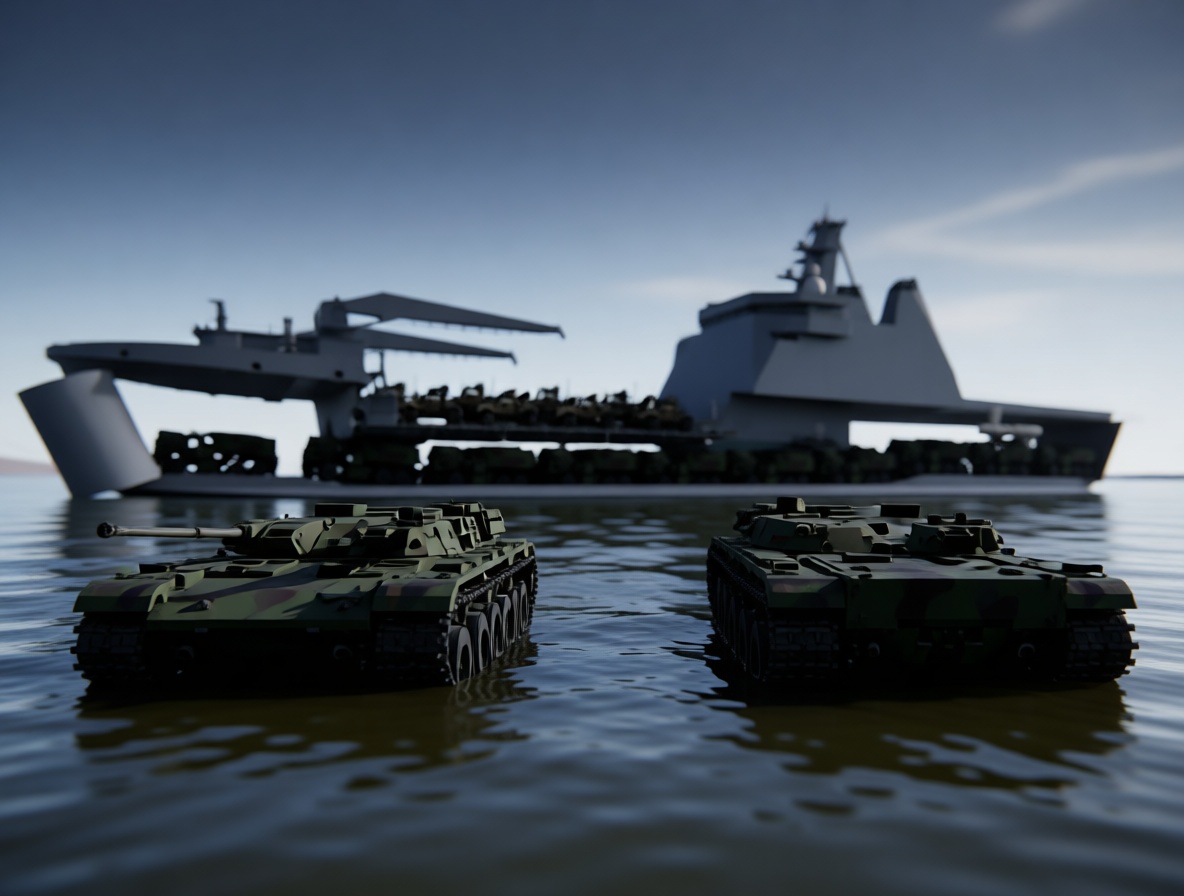
A huge $2.2 billion contract just landed for building medium landing ships, and it’s not just about steel and engines. This single deal makes naval planners stop everything and rethink how they’ve been buying ships for decades. Suddenly, the old rules about finding the cheapest bidder might not apply anymore.
Everyone from shipyard workers to Pentagon strategists is watching closely because the first ship won’t show up until fall 2029. That long wait means jobs, budgets, and even entire supply chains have to be adjusted now, years ahead of time. And with one company put in charge of managing the whole effort, the way the Navy builds its fleet could change forever.
A $2.2 Billion Wake-up Call For How Ships Are Built
When the Navy handed TOTE a $2.2 billion contract to manage medium landing ship construction, it wasn’t just another purchase order. It forced naval planners to step back and question the entire process they’ve used for decades. Suddenly, the old way of buying ships feels outdated, and that can be unsettling for everyone involved.
Think about it: normally, the Navy works with many shipyards and suppliers, each competing for pieces of the puzzle. Now, with one company managing the whole build, planners have to rethink how they oversee quality, timelines, and costs. That means people in procurement offices are losing sleep over new rules and unfamiliar oversight methods.
For the average person, this matters because how the military builds ships affects national security and tax dollars. If this new approach works, it could mean faster deliveries and fewer budget overruns. If it fails, you could see delays and waste that hit your wallet through federal spending.
Waiting Until 2029: The Hard Choices Contractors Face Now
The first medium landing ship won’t be ready until fall 2029, and that long timeline forces defense contractors to make tough decisions right now. They have to adjust multi-year budgets and shift manpower allocations, even though the payoff is years away. Thousands of jobs and entire supply chains hang in the balance as companies decide where to invest their money and talent.
Imagine you run a factory that builds parts for these ships. You need to know if you should hire more people or cut back, but the contract details are still fuzzy. That uncertainty creates a ripple effect: families worry about layoffs, and small suppliers might close their doors if they can’t wait that long.
For workers in the defense industry, this is a personal gut-check. They have to decide whether to stay in a job that might vanish or look for something more stable. The emotional weight is real because a paycheck and a career path are on the line for hundreds of thousands of people.
One Contractor At The Wheel: A Shift Toward Centralized Control
The Navy is now betting everything on a single contractor to manage medium landing ship construction, a move that could flip shipbuilding traditions upside down. Instead of spreading work across many shipyards, they’re centralizing authority under one roof. This feels like putting all your eggs in one basket, which makes both officials and workers nervous.
For decades, the Navy relied on a decentralized system where multiple contractors competed and kept each other honest. Now, with TOTE calling the shots, long-held practices of bidding and oversight might be replaced by a single chain of command. That shifts power away from small shipyards and toward a central management hub, changing who gets decisions and profits.
What does this mean for you? If centralized control works, ships could get built faster and cheaper, saving taxpayer money. But if the single contractor stumbles, there’s no backup plan—delays and cost overruns could become much harder to fix. It’s a high-stakes experiment that will affect how the Navy operates for decades.
Conclusion

Putting one contractor in charge of building medium landing ships is a bold experiment that breaks from decades of tradition. It feels like the Navy is choosing efficiency over flexibility, and that decision will shape how the fleet gets built for years. Whether you work in a shipyard or just pay taxes, this shift matters because it changes who holds the power and the risk.
The big takeaway is that centralized control can bring order, but it also concentrates vulnerability. As the first ships head toward delivery in 2029, we’ll all be watching to see if this new model delivers on its promises—or leaves us wishing for the old way.
What do you think? Does knowing Earth’s “delivery story” change how you feel when you look at the stars?


