


 Munzir Hakimi
Table of Contents
Introduction
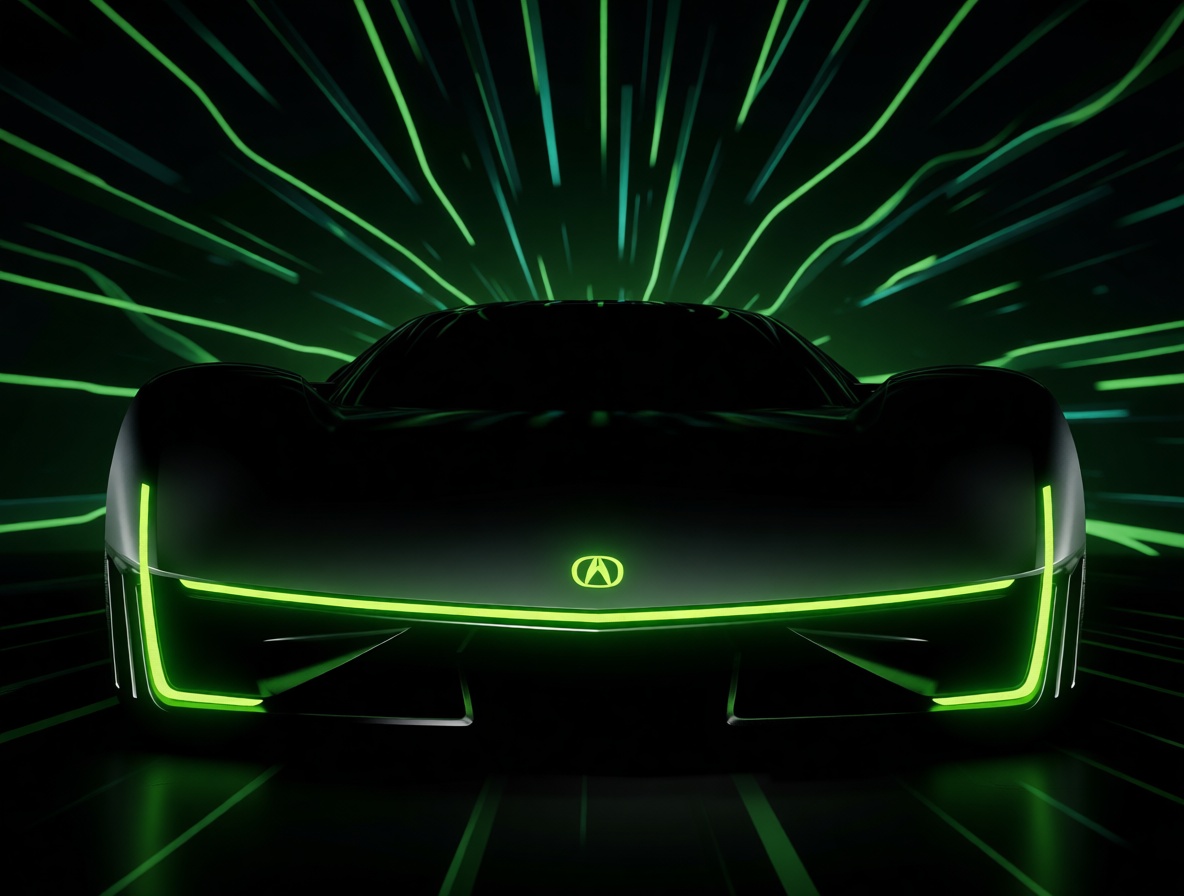
You’ve seen them at auto shows — those incredible concept cars that look like they drove straight out of a sci-fi movie. They spark pure wonder and excitement, making you imagine what it would feel like to own something so futuristic. But then the production model arrives, and it’s a letdown. The sleek edges get softened, the wild interior gets stripped, and that dream car you fell for never actually shows up in the showroom.
That gap between fantasy and reality isn’t an accident. It happens because of real-world engineering limits that kill the designer’s original vision. And it hurts you, too — your expectations get built up, only to be crushed, wasting your time and money. The good news is automakers are finally waking up. They’re changing how they approach concept cars, trying to bring a little more honesty to the process before you get your hopes up.
When Dreams Collide With Physics
Imagine a designer sketching a car with doors that slide out like wings and a dashboard made entirely of glowing glass. It looks incredible on paper. But then the engineers step in and say, “We can’t make those doors safe in a crash, and that glass would blind the driver in sunlight.” That moment is a brutal wake-up call. The initial thrill of creating something new turns into a long, frustrating battle against the laws of physics.
So what does that mean for you? Every time you see a concept car with those wild, impossible curves, you’re watching a dream that might never survive the real world. That beautiful shape probably can’t be stamped from metal, or those tiny cameras instead of mirrors aren’t legal in your country. The designer’s excitement fades as they realize they have to compromise, and that compromise is why the car you eventually buy looks so different.
It’s a tough pill to swallow, but next time you’re tempted to get excited about a concept car, remember: what you see is a fantasy, not a promise. The engineer’s reality check is coming, and it will reshape that dream into something much more ordinary.
Why Your Excitement Turns Into Frustration
You don’t just watch concept cars for fun — you start planning. Maybe you save up for that futuristic electric SUV you saw online, or you wait another year because the next model promises that insane panoramic roof. Concept cars shape what you expect to buy. They set a bar in your mind for technology, design, and performance that feels just within reach.
Then the production version comes out, and it’s missing half the features. The battery range is shorter. The interior is plastic instead of that brushed aluminum. That disappointment cuts deeper than just a letdown — you feel like your time and money were wasted. You might have passed on a perfectly good car waiting for something that never arrived. The emotional roller coaster is real, and it leaves you feeling fooled.
Automakers know this happens, but for years they didn’t care. They wanted the buzz at the auto show, even if it meant leading buyers on. Now the pressure is shifting because you’re getting smarter. You start to question every flashy reveal, wondering if it’s just marketing hype or something you can actually buy. That skepticism is healthy, but it also means you can’t fully enjoy the excitement anymore.
A Smarter Approach To The Dream
Automakers are finally realizing that hyping a concept car that never becomes a real product hurts everyone. So they’re changing tactics. Some companies now limit how many wild concept cars they reveal, only showing off designs that have a realistic chance of hitting the road. Others take a different route: they bring designers and engineers together early in the process, before the concept is even built.
What does that mean for you? It means the next time you see a concept car, there’s a better chance it actually represents something you might drive someday. That shift from dream to practicality is a relief. You can let yourself get excited without assuming it’s all just a fantasy. The car might still change before production, but the core ideas — the shape, the technology, the feel — will survive because they were vetted from the start.
It’s not perfect, but it’s progress. Automakers are learning that a promise you can keep is worth more than a flashy illusion. For you, that means less heartbreak and more honest communication. You can look at a concept car and ask, “Will this actually be mine?” — and get a real answer.
Conclusion

The days of concept cars as pure fantasy may be fading. Automakers are realizing that a dream you can actually touch is more valuable than a thousand show-stopping illusions. By limiting flashy reveals and bringing designers together with engineers early, they’re building trust with you — the person who actually wants to buy the car someday.
So next time you see a stunning concept car, take a breath. Let yourself feel that spark of wonder, but remember: the real magic happens when fantasy meets feasibility. That’s the car you can actually own, the one that delivers on its promise. And that’s a lot more exciting than a showroom fantasy that never sees the road.
What do you think? Does knowing Earth’s “delivery story” change how you feel when you look at the stars?


