


 Munzir Hakimi
Table of Contents
Introduction
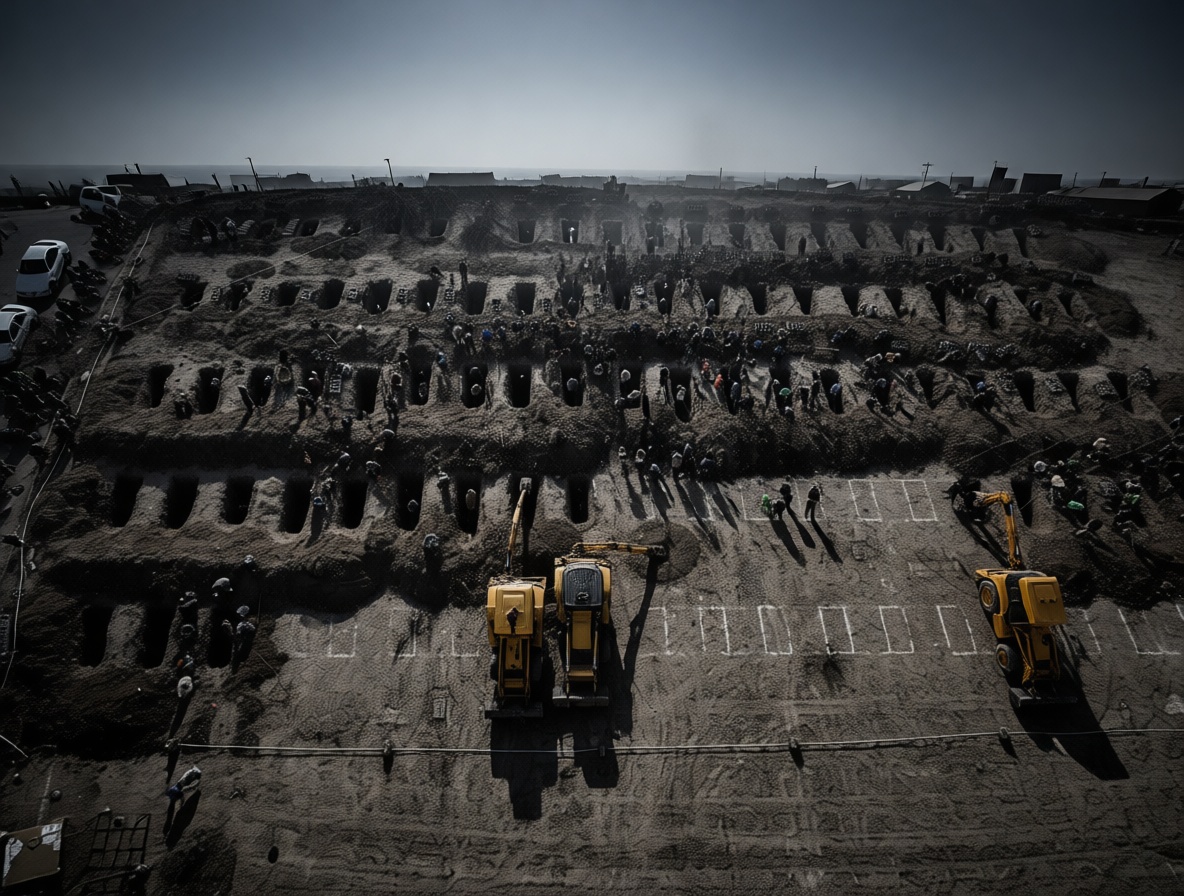
Imagine dropping your daughter off at school, thinking she’s safe—then hearing about a strike that hit a girls’ school. That’s the reality that hit Iran on February 28, and it sent shockwaves far beyond the country’s borders. Suddenly, the safety of girls became a global question, one that families everywhere can feel in their gut.
This single event pulled together three urgent threads: immediate worldwide scrutiny, the daily fear parents live with, and a growing push from lawmakers to demand answers. The stakes couldn’t be higher—because when a school isn’t safe, trust in the future itself starts to crack. What happens next will decide whether that trust can be rebuilt.
When A School Strike Grabs The World’s Attention
On February 28, a strike hit a girls’ school in Iran, and within hours, the world was watching. Governments, media, and human rights groups all demanded an explanation. Why would a school be a target? That question burns for any parent who imagines their child in that classroom.
Lawmakers immediately called for transparency—they wanted to know exactly what happened and who was responsible. This isn’t just about one incident; it’s about what it means for every girl who walks into a school building. If a strike can happen without warning, then nowhere feels safe. The pressure on authorities to come clean is a signal that people are done with silence.
For families, this moment is a cold reminder that safety can vanish in an instant. The global outcry matters because it forces the issue into the open, making it harder to brush aside. It’s a wake-up call that schools should be sanctuaries, not battlegrounds.
Daily Uncertainty For Iranian Families
Every morning, families in Iran face a heartbreaking question: Is it safe to send my daughter to school? The February strike has turned that worry into a constant companion. Uncertainty eats away at normal life—you can’t plan for tomorrow when you’re afraid of what might happen today.
Lawmakers are now pressuring the Pentagon to release the findings of the probe. They argue that understanding what went wrong could shape future military actions, potentially preventing strikes on civilian targets like schools. For parents, this isn’t abstract policy—it’s about their children’s lives. A single report could mean the difference between sending your child to class or keeping them home.
The pressure from lawmakers is a sign that someone is listening to those fears. But until the findings are released, families are stuck in limbo. Every day that passes without answers deepens the anxiety. It’s a waiting game where the prize is a little bit of peace of mind.
Lawmakers Shift To Public Demands For Accountability
Something has changed. Instead of quiet negotiations behind closed doors, lawmakers are now openly demanding the release of classified probe results. This public push is a clear shift toward accountability—they’re saying that strikes affecting civilians can no longer be swept under the rug.
Why does this matter for regular people? Because when lawmakers go public, it means the issue has reached a tipping point. The demand for transparency signals that civilians’ safety is finally being treated as non-negotiable. For families, that’s a glimmer of hope—a sign that their voices are being heard above the noise.
This isn’t just about blame; it’s about preventing future tragedies. If the results are released, they could lead to real changes in how military decisions are made. Accountability isn’t just a word—it’s the only way to rebuild trust. For now, the fact that lawmakers are pushing so openly means the conversation is no longer silent.
Conclusion

The shift toward public demands for accountability is more than a political maneuver—it’s a human moment. When lawmakers insist on releasing classified results, they’re acknowledging that every civilian life lost or put at risk deserves an answer. For families in Iran, that acknowledgment is a small but vital step toward feeling heard.
What can you take from this? That transparency matters. The push for openness shows that pressure from the outside—whether from lawmakers or ordinary people—can force change. Your attention and voice are part of that equation. The real test will be whether the released findings lead to action, but for now, the demand itself is a promise that safety might one day be restored.
What do you think? Does knowing Earth’s “delivery story” change how you feel when you look at the stars?