


 Munzir Hakimi
Table of Contents
Introduction
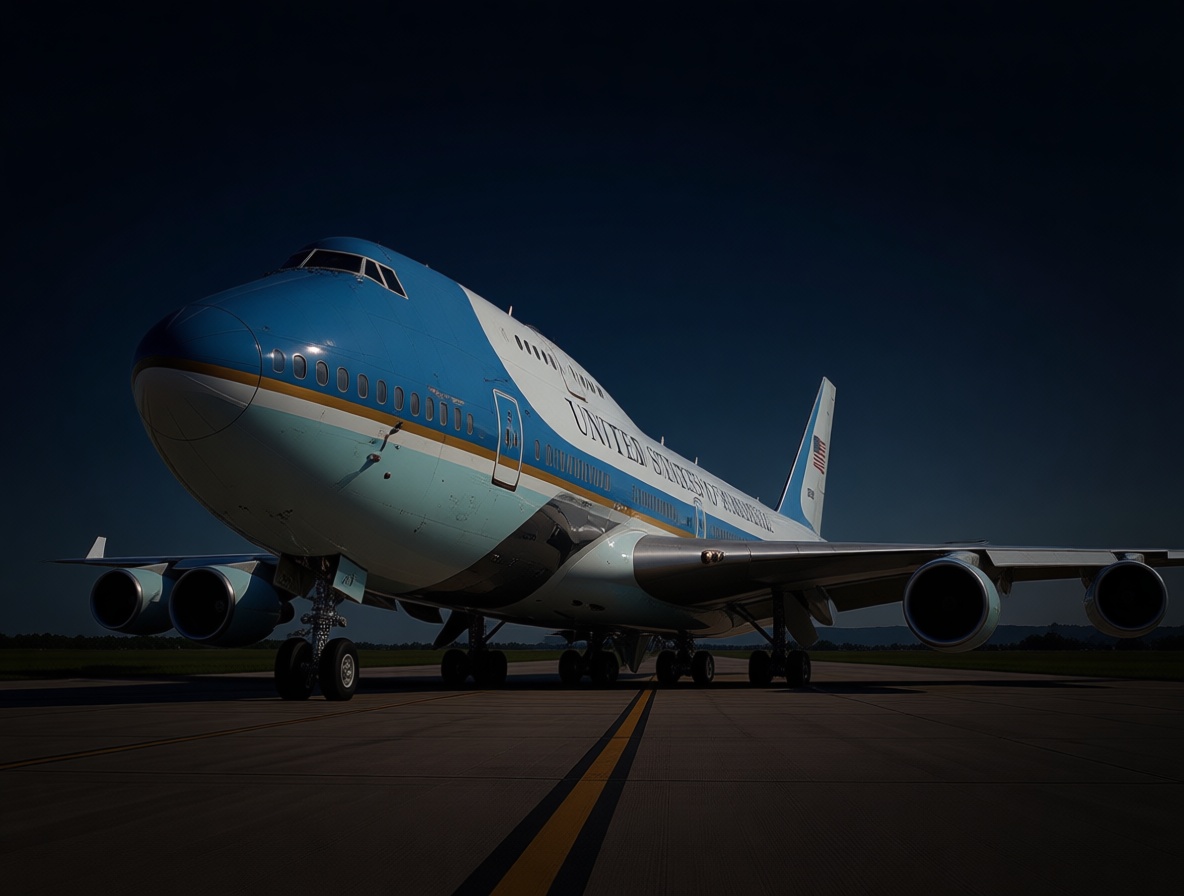
You hear about a presidential plane swap and think it’s just a standard logistics move. But when a newer donated jet gets passed over for an older Air Force One, the real story is about what taxpayers end up paying for — in time, money, and even international relationships. The stakes go way beyond a simple flight change.
That decision ripples into extra security checks that slow everything down, strains the military budget that comes out of your pocket, and forces diplomats to rethink how U.S. travel works abroad. By the time you finish reading, you’ll see that a single aircraft swap can cost more than just fuel — it touches your wallet, your safety, and America’s standing in the world.
Why An Older Plane Caused Extra Delays For Staff
When the presidential team chose to board an older Air Force One instead of a new donated jet, nobody expected the domino effect. That simple switch meant every single person had to go through extra pre-flight security checks — not just once, but layered on top of the usual routines. For the staff, that translated into a frustrating delay before wheels even went up.
Think about how you feel when your morning commute hits an unexpected snag. Now multiply that by the pressure of getting a president airborne on schedule. The human cost here is real: tired, stressed aides and crew members who then have to perform at their best once they land. It’s not just about inconvenience — it’s about morale and efficiency when every minute counts.
So why should you care? Because when government operations get bogged down like this, the inefficiency eventually trickles down to your tax dollars. Longer delays mean more overtime, more resources spent on extra security, and a system that works harder than it needs to. That’s your money funding the hiccup.
How Two Presidential Jets Strain Your Tax Dollars
Maintaining both an old and a new presidential aircraft sounds like a luxury, but it’s a financial drain you feel at home. The military has to allocate money for fuel, hangar space, maintenance crews, and upgrades for two separate planes — money that could be going to other defense projects that directly affect your safety. Every dollar spent on keeping a backup jet ready is a dollar not spent on something else.
Imagine your household budget stretched by an extra car you rarely use — insurance, repairs, parking. That’s what happens at the national level, only the numbers are huge. This budget strain delays funding for things like troop equipment, new technology, or even disaster relief. The choice isn’t abstract; it’s a real trade-off that impacts how prepared the military is for other threats.
For taxpayers, this means you’re paying for redundancy that might not be necessary. When the government chooses to keep both planes in service, your tax bill stays high while other priorities get pushed to the back burner. It’s a quiet cost you probably never think about until you realize the military asked for a raise and got a plane instead.
The New Rules For Presidential Travel At Foreign Bases
Logisticians now regularly plan aircraft swaps at foreign bases — it’s become a standard part of the playbook. That means presidential travel no longer follows the simple ‘one plane, one trip’ routine. Instead, crews coordinate changing planes mid-journey, which adds layers of complexity every time the president visits an ally.
You might think this is just a technical detail, but it changes how other countries view U.S. operations. International alliances feel the ripple when standard operating procedures shift unexpectedly. Allies wonder: is this about security, cost, or something else? Trust takes a small hit when things are less predictable.
For the average person, this matters because the smoothness of diplomatic travel affects global stability. When procedures get more complicated, it’s harder to respond quickly to crises. Your sense of safety abroad — or even at home — depends on how well these logistics work behind the scenes. The new normal asks everyone to adapt.
Conclusion

So here’s the takeaway: the aircraft swap isn’t just a behind-the-scenes hassle for logisticians. It signals a deeper shift in how the U.S. conducts presidential travel — and that shift affects your daily life more than you’d expect. From strained budgets to changed procedures at foreign bases, every choice has a consequence that lands on your shoulders.
Understanding this doesn’t mean you need to become a policy expert. It means you can watch these decisions with a clearer eye, knowing that a simple plane switch can cost time, money, and trust. The next time you hear about a presidential trip running late or a budget debate, you’ll know there’s always more beneath the surface — and that’s worth keeping in mind.
What do you think? Does knowing Earth’s “delivery story” change how you feel when you look at the stars?