


 Munzir Hakimi
Table of Contents
Introduction
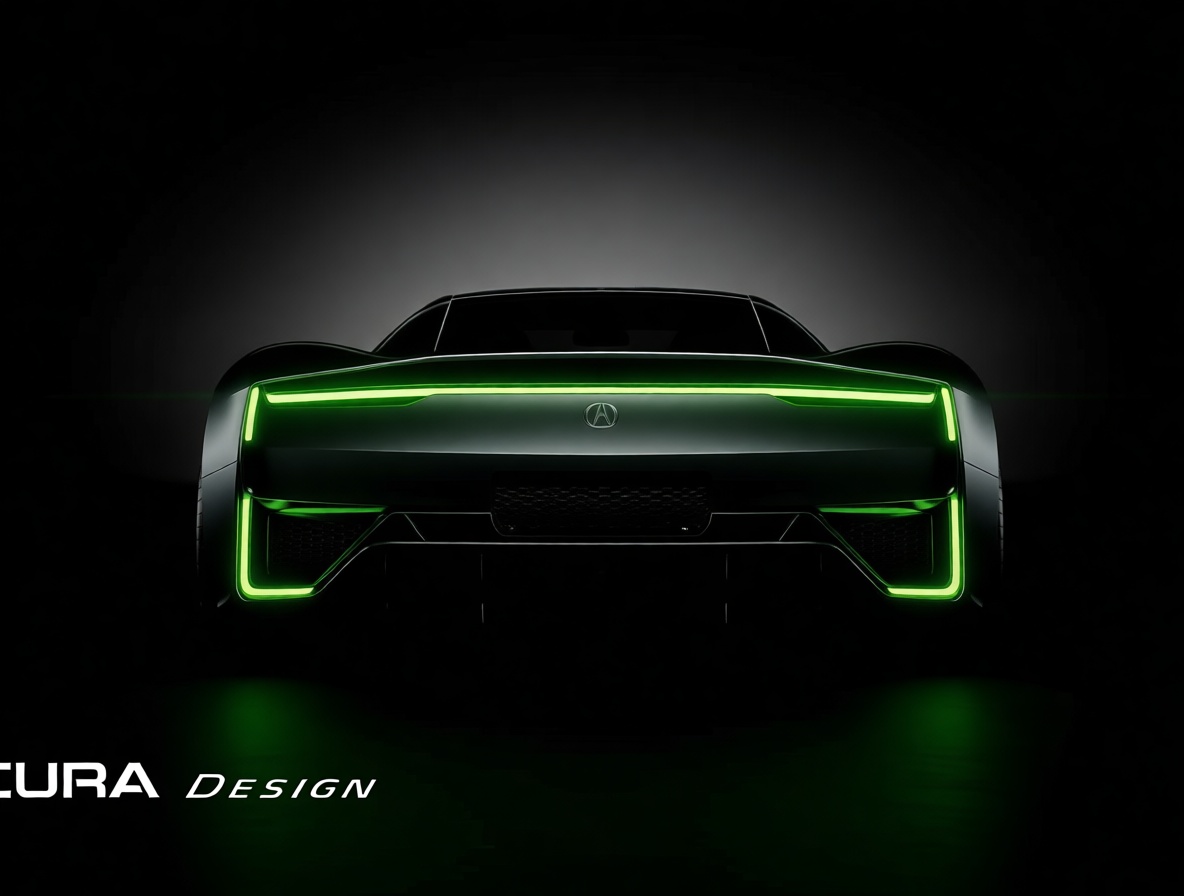
You see a stunning concept car at an auto show—sleek lines, futuristic tech, a promise of tomorrow. Then it vanishes. No production model, no follow-up. It’s easy to shrug and move on, but that disappearing act affects your wallet and the cars you’ll actually drive. Designers wrestle with the dream they want to sell versus the hard limits of building a real vehicle. That tension often kills bold ideas, delays new technology, and pushes automakers toward safer, more boring designs. By the time you notice, the car you end up buying feels a little less special—and a little more expensive. This is why you should care when a concept car never reaches the road.
When Dreams Meet Factory Floors
Picture a designer standing next to a jaw-dropping concept car at a show. Crowds are amazed, journalists rave, and the designer feels a rush of pride. But underneath that smile is a knot of worry. They know the factory can’t build it exactly—the door handles are too intricate, the battery pack too expensive, the shape too hard to stamp. That tension between selling a fantasy and facing real-world limits is the first crack where innovations start to die. Why should you care? Because every time a concept gets watered down, the cool feature you were excited about disappears from the car you could actually buy.
It’s not about laziness or bad intentions. Engineers and designers genuinely want to deliver that sci-fi experience. But production constraints—cost, safety rules, manufacturing speed—force them to compromise. So the next time you see a concept with a wild interior or a crazy new engine, remember: that vision is struggling against reality before the first bolt is even tightened. And the result? You get a car that feels like a safer, less thrilling version of what could have been.
The Hidden Cost Of Playing It Safe
When a concept car gets killed or scaled back, the pressure to meet deadlines and budgets often kills innovative features entirely. Imagine a company promising a car that parks itself, charges wirelessly, and uses a new lightweight material. Then, as the production deadline looms, those features get dropped one by one. That lost innovation doesn’t just disappear—it delays the arrival of new tech in your future car. And when those features do eventually appear, they often cost more because the early development money was wasted on a project that never made it.
Think about it: every scrapped concept is a pile of research and tooling that didn’t pay off. Automakers spread those costs across other models. So you end up paying more for a car that’s less advanced than what the concept promised. The emotional sting is real—you feel teased by a glimpse of the future, only to get a present that’s a little duller and a little pricier. That’s why the failure of a concept car isn’t just a headline; it’s a hit to your buying power and your patience.
The Era Of Safe Bets
Automakers have learned from the pattern: bold concept cars rarely become profitable, so they now play it safe. Instead of pushing boundaries, they focus on incremental improvements—better fuel economy, a slightly bigger screen, a new grille shape. The creative energy that once sparked wild ideas is now channeled into safe, proven designs. You see it on the road: cars from different brands start to look and feel alike. That’s because risk-taking has been replaced by a cautious approach that prioritizes known sales over exciting breakthroughs.
Why does this matter to you? Because the industry’s creative direction is being reshaped by fear of failure. Your next vehicle will be a refinement of what already exists, not a leap into something new. The disappointment is subtle but real: you lose the anticipation of seeing something truly different roll off the line. And when every new model feels like a remix of the last one, the excitement of car ownership fades. You’re not just missing out on flashy concepts—you’re settling for a future that looks a lot like the past.
Conclusion

So why should you care when a concept car fails to reach production? Because every lost dream shapes the cars you’ll actually drive. Automakers now favor safe, incremental updates over bold leaps, and that cautious mindset steals the thrill of innovation from your daily commute. The emotional cost is a slow erosion of wonder—the feeling that cars aren’t advancing as fast as they could. But knowing this gives you power. You can pay attention to which brands still take risks, and support the ones that fight to bring concepts to life. Your choice as a buyer sends a message. The next time you see a wild concept car, root for it to survive the factory floor—because when it does, we all win.
What do you think? Does knowing Earth’s “delivery story” change how you feel when you look at the stars?