


 Munzir Hakimi
Table of Contents
Introduction
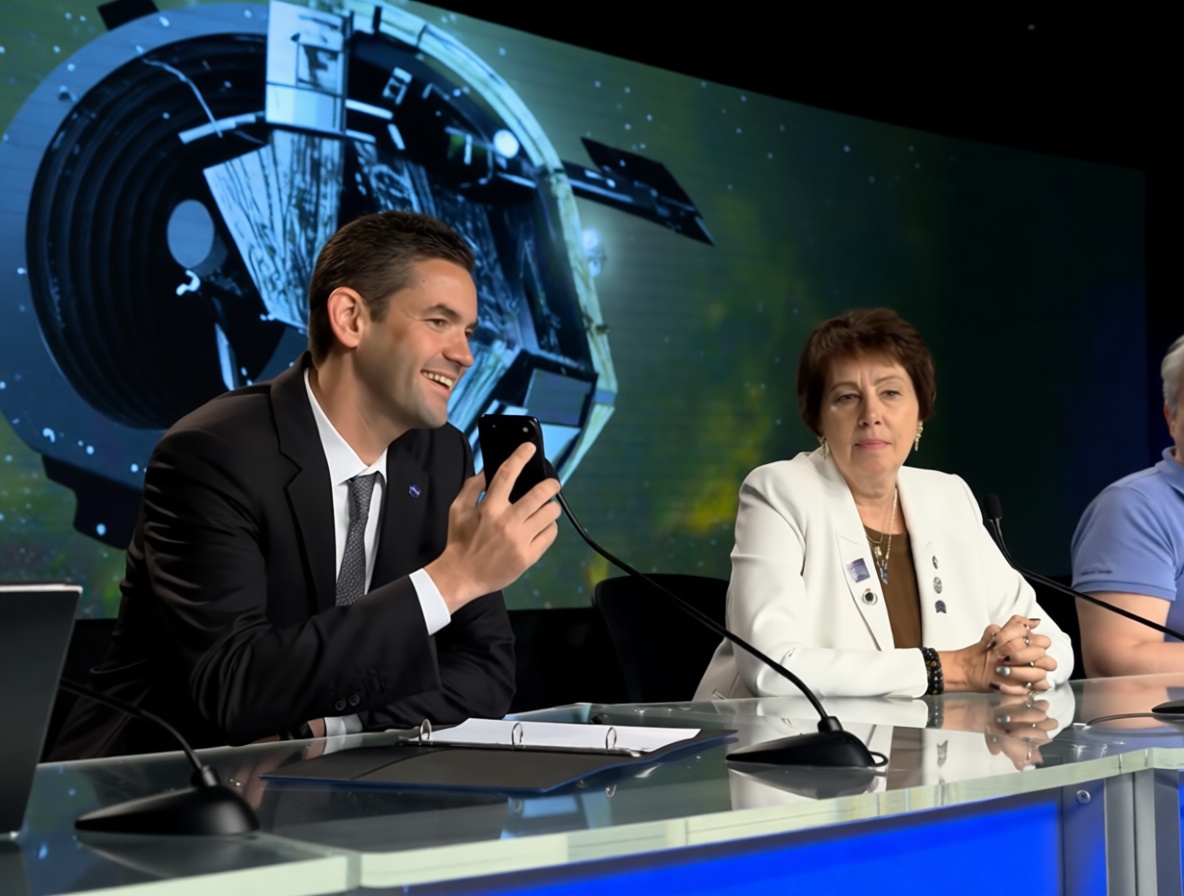
Imagine spending years on a project and finally seeing it work. Then, just as you are celebrating, the most unexpected person calls to say well done. That is what happened when the Roman Space Telescope launched successfully and President Trump interrupted the NASA team’s press conference to congratulate them. The joy was huge, but so was the shock, because no one saw that call coming.
A normal briefing suddenly turned into a high-attention moment that changed the team’s whole day. And after Aug. 30, NASA press teams may never look at launch events the same way again. They are learning to prepare for surprise high-level calls, and that tiny shift is a lesson for all of us.
A Launch Celebration Interrupted By A Presidential Call
The Roman Space Telescope finally made it to space, and the NASA team could barely contain their joy. They had spent years on this mission, and the successful launch felt like a massive weight had been lifted. The celebration was already filling the room when President Trump interrupted the press conference. His call was a surprise congratulations, and it changed the mood in an instant.
Think about a time when someone important noticed your hard work. Maybe a boss praised you in front of the whole office. It feels amazing, but it also makes you nervous. The NASA team probably felt that same mix of pride and pressure. That combination is what made the moment so unforgettable. It is one thing to know your work mattered; it is another thing to hear it from the president.
For the team, the launch itself was already the reward. The president’s call added surprise on top of success. No one had prepared for that kind of interruption, and that is exactly why it hit so hard. This moment also shows how powerful unexpected recognition can be. When someone you never expected steps in to celebrate with you, the memory stays with you. It becomes the fuel that carries you through the next long and difficult project.
When A Routine Nasa Briefing Turns Into A High-attention Event
Most NASA press briefings are calm, predictable events. The team shares news about a mission, answers a few questions, and then goes back to work. It is a routine moment in a long day. A presidential call changes everything with one ring.
The moment people realize the president is on the line, the energy in the room shifts. Chairs scrape, phones come out, and everyone sits up straighter. A routine briefing suddenly becomes a high-attention event because one voice carries more weight than any other. That shift is not just about excitement. It changes how the team thinks, how they talk, and how they remember the rest of the day.
You have probably felt something similar in your own life. Maybe a manager walked into a normal meeting, or an important guest arrived at a family dinner. The event itself did not change, but the meaning did. The NASA team’s day became more than another briefing. It became a story they would tell for years. That is the power of unexpected attention. It marks the moment as special, and it makes you carry that feeling with you long after everyone leaves. Even the small plans they had for later probably mattered less by the end of the afternoon.
After Aug. 30, Nasa Press Teams Prepare For The Unexpected
After Aug. 30, NASA press teams may start looking at launch events differently. What used to be a straightforward setup for reporters now includes an extra layer of preparation. The idea is simple: always be ready for a surprise high-level call. A new protocol is being added to public briefings, and that changes the way everyone prepares.
A protocol is just a plan for how to react when something unexpected happens. Instead of freezing, the team will know what steps to take. That preparation makes the whole room feel calmer. It turns a potential panic moment into something manageable. The next time an important call comes in, the team can focus on the moment instead of scrambling. They can enjoy the surprise without losing control.
This is how people adapt after a surprising experience. You create a small system to protect yourself. Maybe you double-check your work before submitting it, or you keep a backup plan for a stressful situation. The NASA team will now do the same thing with their briefings. They won’t be caught off guard again, and that readiness is what makes a team feel safe. It also gives the public a smoother, more professional show. Knowing that someone is prepared behind the scenes lets everyone breathe a little easier.
Conclusion

After Aug. 30, NASA press teams will carry a new kind of readiness into every launch event. It will not make surprise calls less surprising, but it will make them feel less scary. There is something comforting about knowing you have a plan.
You can take that same feeling into your own life. When something unexpected takes you by surprise once, you can quietly get ready for the next time. You do not need a big strategy. Just knowing what you would do can turn panic into steadiness. That small step is what makes a surprising moment feel less like a crisis and more like something you can handle.
What do you think? Does knowing Earth’s “delivery story” change how you feel when you look at the stars?