


 Munzir Hakimi
Table of Contents
Introduction
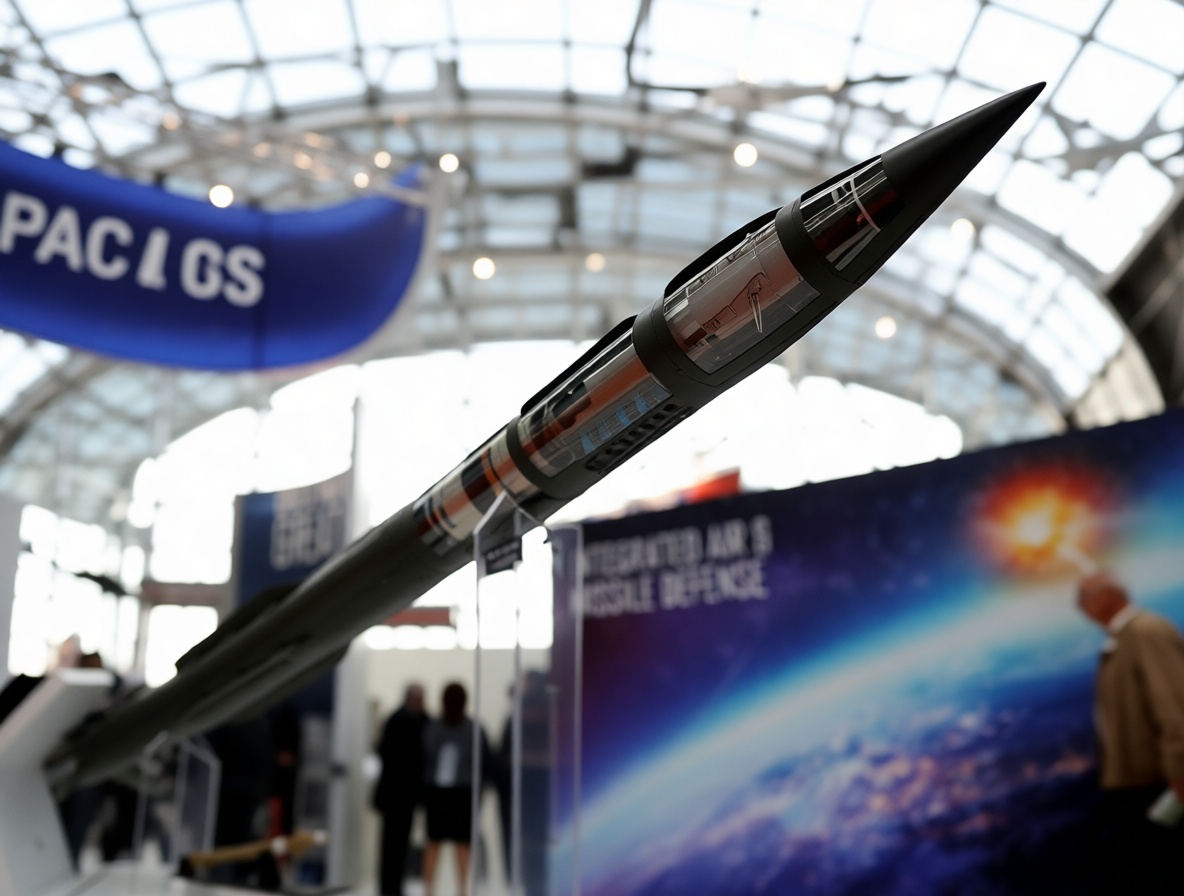
When missiles fly toward a city, everything comes down to seconds. An interceptor is a missile built to stop one of those incoming threats. A system like Patriot is there to shoot the danger down, but no one wants to be left staring at an empty launcher.
New framework deals are deciding how quickly replacements show up, taxpayer money is shaping how many interceptors get built, and companies like Lockheed and General Dynamics are getting ready to make more. That may sound like distant policy news, but it actually comes down to one thing: more lives protected from incoming threats. It is a lot to take in, but this is the machinery behind real protection.
When The First Launch Is Only The Beginning
Picture a Patriot battery firing: a group of launchers sending interceptors into the sky. A loud noise, a bright streak, and then everyone waits. The real tension comes after that, because one interceptor might not be enough. No one wants to be standing there without a next move.
That is where the new framework deals enter. They decide whether a replacement interceptor is already waiting on the line or if someone has to scramble to get one ready. Think of them as standing agreements that make sure the next round keeps moving before the panic starts. These deals exist so the next interceptor is not a maybe. That may sound like paperwork, but paperwork can be the difference between a close call and a tragedy.
For the people below, that extra moment can feel like forever. It is like calling 911 and hearing that the first unit is on the scene and the next one is already rolling. You can breathe a little easier when backup is not a question mark. The whole point is to make sure no one is left wondering if there is another interceptor on the way. A second interceptor means a second chance, and that is something everyone can understand. There is no replacement for that kind of peace of mind.
Your Tax Money And Higher Interceptor Output
Taxes are easy to ignore until the bill arrives. Yet those dollars are what make missile defense possible. When a Patriot launcher stands ready, your tax money helped put it there. That can feel hard to believe, especially when you are just trying to pay rent, but it is true. You never know when that protection will matter until the moment arrives.
Here is where things get bigger. Patriot production is about to triple, and THAAD output might quadruple. THAAD, another missile-defense shield, is part of that same push. That kind of shift could redirect how defense money gets spent, with a bigger slice going to interceptors. It is not just a line in a budget; it is a sign that the threat is being taken seriously. The money is being aimed at stopping danger before it gets close.
Think of it like upgrading your home security before anything happens. You do not wait for the break-in to buy the locks. When tax money is shifted toward more interceptors, someone is making the choice to prepare instead of react. Knowing that can turn anxiety into something closer to calm. It does not erase danger, but it makes the future feel less fragile. That is a big deal for anyone who has ever looked up and wondered.
Behind Every Interceptor Is A Busier Factory
It is easy to picture a missile-defense system as something that just appears in the sky. But a factory makes it, and real hands put it together. So Lockheed and General Dynamics could hire more people, send bigger orders to suppliers, and run extra shifts as Patriot and THAAD output targets rise. These are not small names; they are the companies behind the hardware. More output targets mean more work, and that work has a direct line to safety.
Think of a supplier that makes a single part. One day, the phone rings and the order is bigger than before. That supplier may need to hire more people, keep machines running longer, and stop worrying about slow months. You might not think about suppliers until something goes wrong, but they are the backbone. A bigger order can change a small business’s year, which changes the lives of the people working there.
For the workers, this means stability. A night shift might open up, or a new hire gets a foot in the door. For everyone else, it is a quiet reminder that protection is being built, not wished for. It is one thing to hear about defense on the news. It is another to imagine someone getting a steady paycheck while helping protect others. That connection matters.
Conclusion

Next time you hear about Patriot or THAAD, it does not have to sound distant. Behind those names are factory floors getting louder, suppliers getting bigger orders, and workers stepping into new shifts. That is what protection looks like when it becomes real. It is not a cartoon or a video game; it is everyday people doing careful, important work.
You can walk away with a simple thought: the world is full of quiet preparation. People are building, hiring, and showing up to make sure lives are shielded. That is a small reason to feel less afraid. The next time you feel uneasy about what is happening in the world, picture those suppliers and those extra shifts. Somewhere, someone is working right now so that lives can be protected.
What do you think? Does knowing Earth’s “delivery story” change how you feel when you look at the stars?


