


 Munzir Hakimi
Table of Contents
Introduction
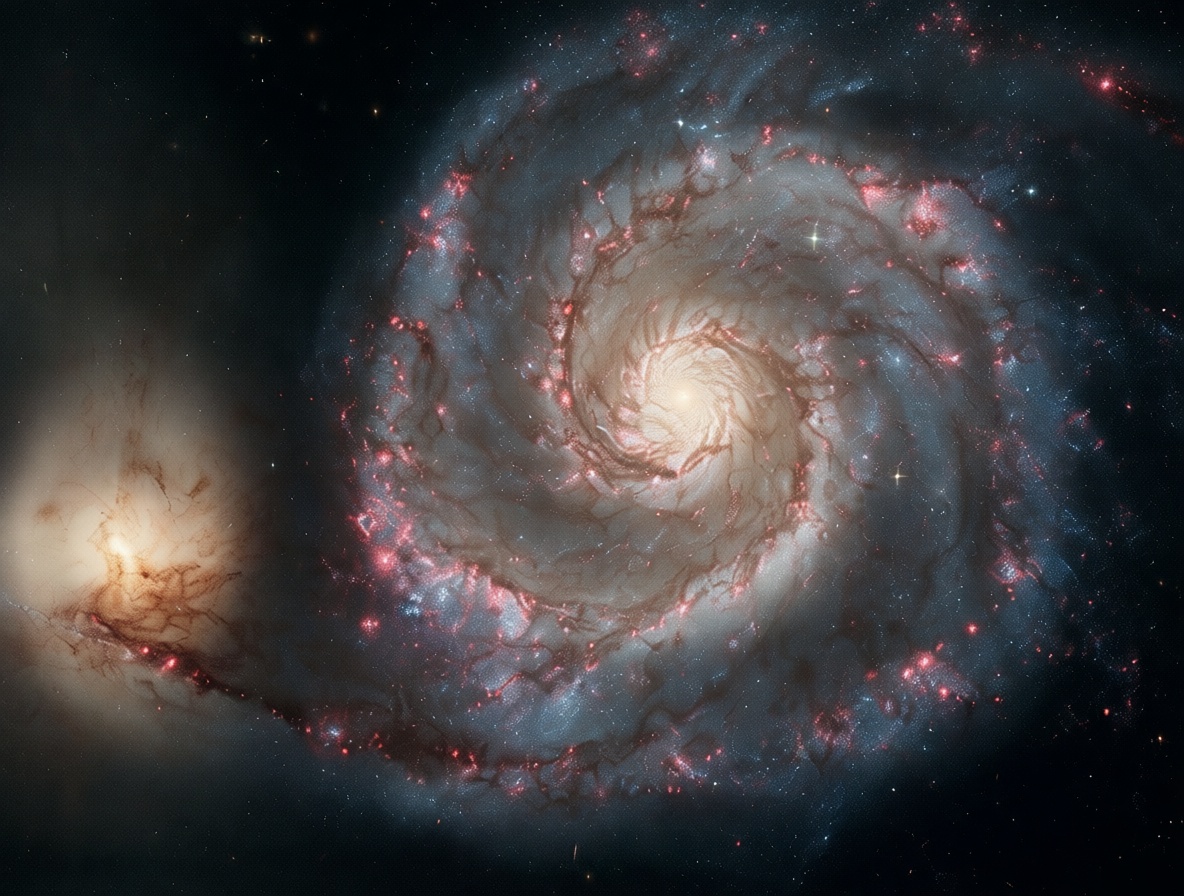
Imagine spotting something amazing and having no name for it. On Oct. 13, 1773, Charles Messier found M51, the Whirlpool Galaxy, before anyone knew it was a galaxy. That gap between seeing and knowing can leave people uneasy.
Later observers had to reclassify it. In defense work, a similar delay between spotting something and naming it can pressure quick decisions, eat up scarce watch time, and lead to costly misreads. Today, defense systems may split detection from identification, just as it took time to confirm what M51 really was. So why should you care? Because what happens next can depend on that space between a first look and a final answer.
Charles Messier Finds A Galaxy Before Anyone Knew
Picture looking up and seeing a swirl of light so strange it stops you cold. On Oct. 13, 1773, Charles Messier found M51, the Whirlpool Galaxy, before anyone knew it was a galaxy. He saw it without the full story, so he could only describe what appeared, not what it truly was, and that is a lesson in how easily a first look can fool us.
For him, the object was real, but its meaning was not yet clear. That is a deeply human feeling: you notice something important, yet you cannot say what it is, and that not knowing can be just as powerful as the sight itself. Naming it correctly would take more time, and later observers had to reclassify the object because the first label did not hold up for long.
Why should that matter now? Because a first sighting can feel like an answer when it is only the beginning, and treating a quick label as final can make us feel certain too soon. Later observers had to go back and change the label, which reminds us that seeing is not the same as understanding, and that patience can protect you from trusting a story too soon.
When Spotting And Naming Do Not Line Up
Imagine staring at a screen and seeing something odd, but you cannot yet say what it is. For defense teams, that same delay between spotting something and naming it can make every second feel heavy. Quick decisions get much harder, and the weight of the moment can rattle even a steady hand, turning a simple watch into a tense mental scramble.
There is only so much watch time to go around, and waiting for a clear name can drain it fast. People may start guessing because they feel the clock pressing on them, and a guess made too early can feel like the only option. That is how costly misreads happen, and a wrong read can lead to a choice no one can easily take back, even when everyone meant well.
So what does this mean for everyday life? It shows why pressure can turn a normal choice into a shaky one, especially when a label is missing. If your team rushes because no one can name the thing yet, focus can fray and misreads can pile up, just as defense teams face that pressure at a scale most of us never will, and the feeling is familiar: uncertainty steals time and calm.
Why Detection And Identification May Need Separate Steps
Think about noticing something before you can tell what it is. Today, defense systems may split detection from identification, so one part spots something while another part takes time to say what it is. That split can feel frustrating but necessary, because a fast answer is not always a true one, and you might feel impatient while the two steps are doing different jobs, even though both are trying to get closer to the truth.
This is not so different from astronomy needing time to confirm M51 was a galaxy, not a single star. At first, a blurry object can look like one simple thing, and that first impression can feel completely convincing, even when it is missing most of the truth. More watching and checking can reveal something much bigger or stranger, and patience protects the final call, even when the wait is hard to trust or sit with.
Why should you care? Because we often want instant labels in our own lives, too. We decide right away what something means, even when the full picture has not arrived. But separating detection from identification gives room to be wrong, learn, and correct ourselves, and that space can prevent a rushed judgment from becoming a lasting mistake.
Conclusion

It is easy to think a first look tells the whole story. Today, defense systems may split detection from identification, just as astronomers needed time to confirm M51 was a galaxy, not a single star. Spotting something is only the start.
That gives us a simple takeaway for our own lives: when you catch something that confuses you, give yourself room to check before you name it. This is not about being unsure forever. It is about letting identification catch up with detection, so your final answer is one you can trust. The pause may feel slow, but a pause can prevent regret.
What do you think? Does knowing Earth’s “delivery story” change how you feel when you look at the stars?