


 Munzir Hakimi
Table of Contents
Introduction
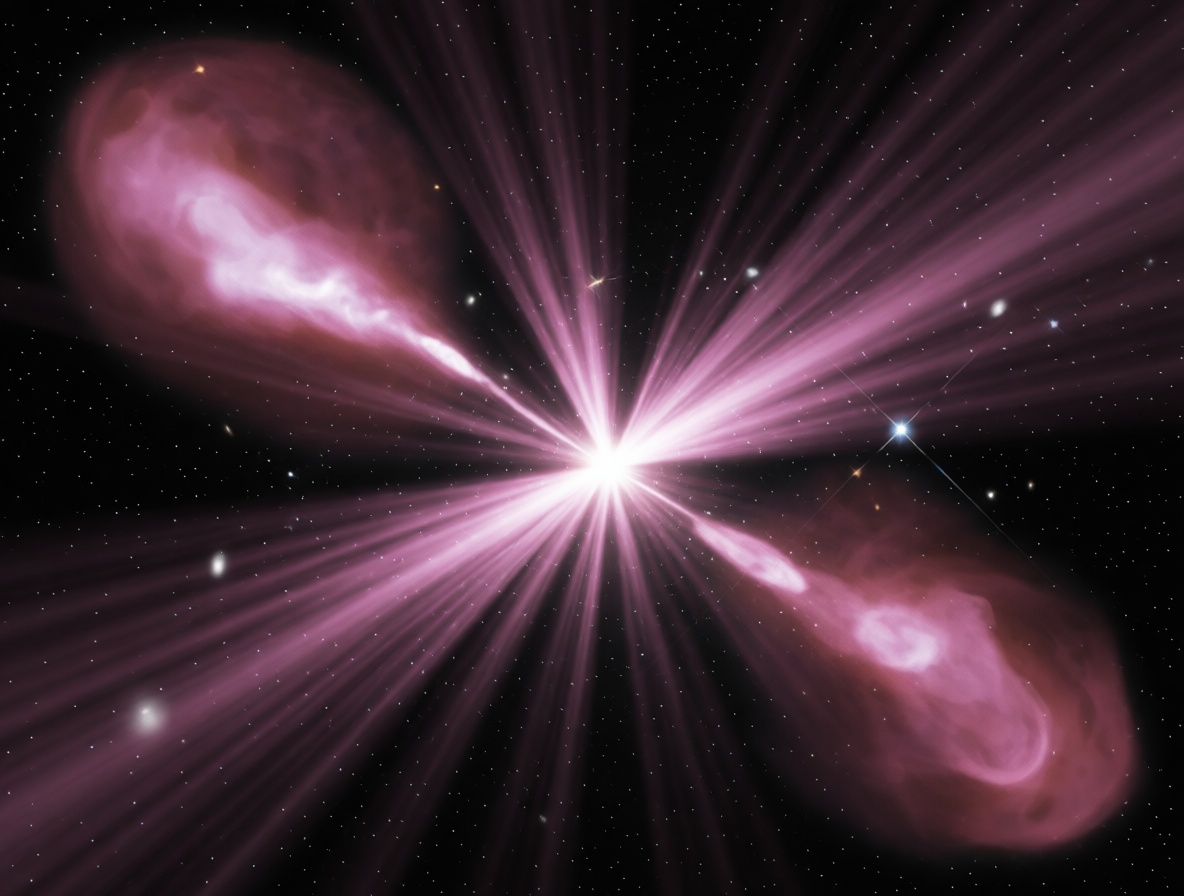
Space is full of surprises that move faster than we expect. When a glowing patch in a galaxy starts to fade, it isn’t just a pretty lightshow changing. It is a clue that a supermassive **black hole’s engine has already stalled**. That realization reshapes what astronomers look for next, how they spend their time, and even how they sort galaxies.
For us, it is a reminder that nothing in the cosmos stays the same. A fading signal can change a whole research plan, push teams to scramble, and turn a distant object into something with a beginning, a middle, and an end. The story of dying radio galaxies is really about **paying attention before a rare moment disappears**.
When A Fading Glow Reveals A Dead Engine
Think of a radio lobe as a giant, faint glow of radio light that wraps around a galaxy, so large it only shows up in special telescope maps. When that glow starts to fade, it is not a small detail; it is a clue that the supermassive black hole at the center has already stalled. What we are seeing is **the leftover light of a finished event**, which means the map is telling us about the past rather than the present.
The moment of discovery feels like a quiet jolt: astronomers may have stared at the same patch for years, assuming it was stable, and then one map shows it a little dimmer. That tiny change is enough to tell them the engine turned off long ago, and the glow is only now catching up with us, like hearing thunder after the lightning has gone but with the delay stretched across cosmic time. The story of the whole galaxy has to be rewritten, and that rewrite comes with a strange mix of sadness and fascination.
When the story changes, so does the meaning of the object: that galaxy is no longer just a bright spot, but something that had a peak and passed it. For the people watching, it is a rare chance to witness an ending, and endings always make us rethink what came before. The real weight is that a **distant galaxy becomes a story about endings**, and once you notice one, you start to wonder which other parts of the sky are quietly fading too.
Racing To Catch Fading Signals Before They Vanish
Once a fading glow is noticed, there is no time to relax. A signal that is already fading can vanish completely before anyone gets a second look, so observatory teams have to move fast; if they do not, the evidence simply disappears. That is why a single shimmering patch on a map can **throw an entire observatory’s schedule into chaos**.
Telescope teams work with limited nights and limited money, so every choice feels heavier. When a rare signal appears, they have to decide whether to drop other projects and chase it, knowing the chance might never come again. That pressure can force hard choices about priorities, and the fear of missing out is real because a missed signal is a missed chance to learn something no one has caught before.
The whole situation is a real gamble with time and resources. Astronomers might move observations, recruit extra hands, and reshuffle budgets, all for a signal that could be gone by morning. It feels risky, but the payoff is a fleeting glimpse of something real, and that kind of urgency mirrors those moments when we have to **decide whether to rearrange our lives** before an opportunity slips away.
Spotting Dying Galaxies By Their Fading Light
For a long time, astronomers treated galaxies as fixed dots in the sky. Now they sort them by whether the radio glow around them is getting brighter or fading, so instead of asking only how bright a galaxy is, they ask whether its light is losing strength. That single shift makes it possible to **spot dying engines instead of permanent fixtures**.
Fading light becomes a signature, a clue that something inside is winding down. Sorting galaxies this way turns a distant galaxy into a character with a history, not just a point on a map. It also gives astronomers a language for talking about transitions they used to overlook, and it invites the rest of us to see **change as part of the natural order** instead of a malfunction.
The emotional payoff is huge: if galaxies can end without losing their meaning, then we can look at endings in our own lives with less fear. A galaxy that is fading is not broken; it is simply in a different stage, and **that makes the universe feel more alive**. It also nudges us to pay attention to quiet shifts around us instead of waiting for loud final moments, and that is a comforting thought we can carry into our own daily routines.
Conclusion

Fading light is no longer just a detail in a telescope map. It is a way to recognize that galaxies have endings too, and that those endings are part of a longer story. We often treat endings as failures, but a galaxy that fades is not failing; it is simply **moving into a different chapter**. That idea can soften the way we watch our own slow changes.
The next time you notice something in your life growing quieter, try asking what stage it is in instead of assuming it is broken. Pay attention to what the fading reveals, because every ending carries clues about what came before. You might discover that **an ending was never the whole point**, and that there is still meaning in the glow as it disappears.
What do you think? Does knowing Earth’s “delivery story” change how you feel when you look at the stars?