

 Munzir Hakimi
Table of Contents
Introduction
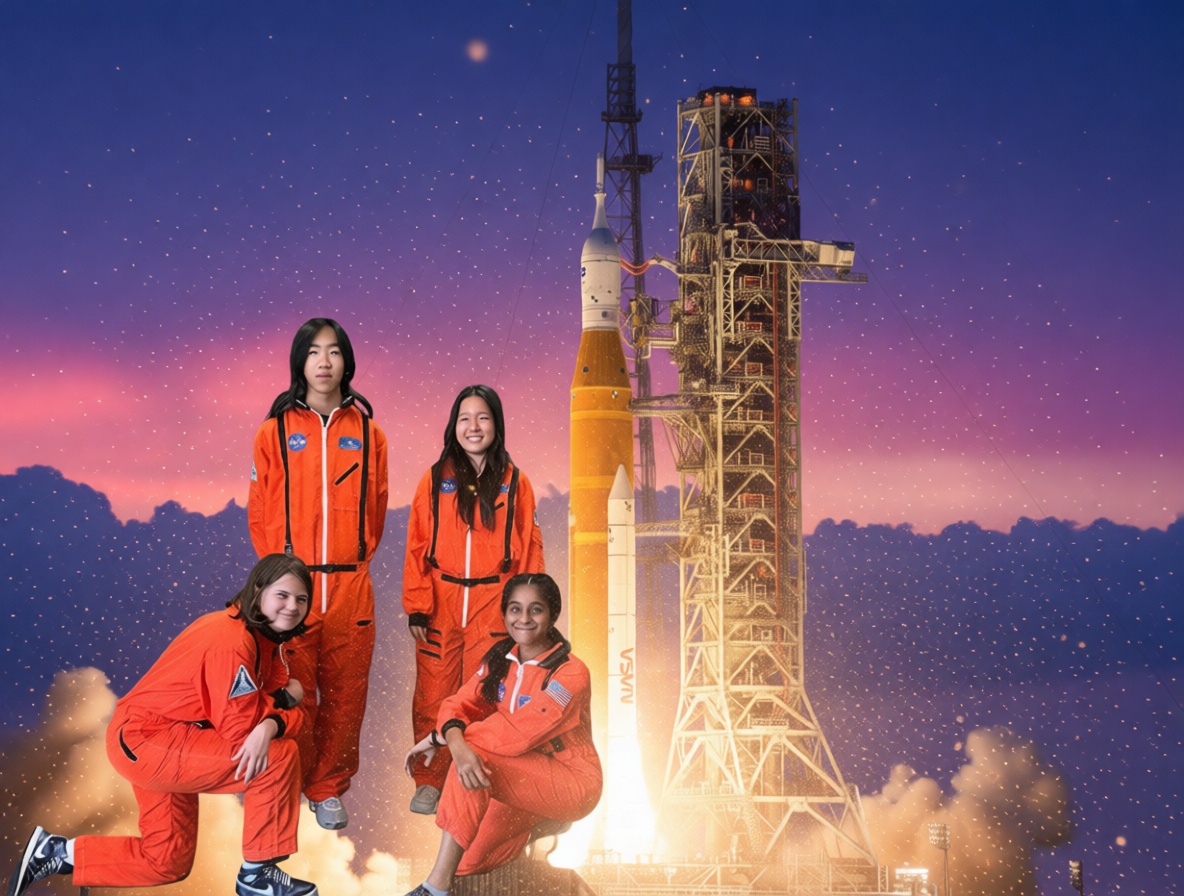
Picture this: a bunch of students, not rocket scientists yet, are handed the job of designing a rover for Venus. It sounds crazy, right? But that’s exactly what’s happening in classrooms today. These kids are getting a taste of real space work before they even pick a college major.
They build prototypes, solve impossible problems, and suddenly science stops feeling like a textbook. Over in eight states, schools are flipping how they teach STEM. And at home? Parents start seeing their kids in a new light. This isn’t just about robots—it’s about changing lives one Venus mission at a time.
Building Rovers For Venus: The Real Science Test
Imagine trying to build something that can survive acid rain, crushing pressure, and 900-degree heat. That’s the challenge these students took on during the ROADS challenge. They weren’t just reading facts—they were living through the same struggles real engineers face. Every mistake taught them something.
They built rover prototypes, tested them, watched them fail, and rebuilt again. That feeling of failure? It actually made them more curious, not less. Suddenly science became personal—they weren’t memorizing formulas, they were trying to keep a robot alive on another planet.
And the coolest part? After all that sweat and frustration, they walk away knowing what it actually feels like to be a space engineer. That sense of accomplishment changes how they see their own potential. It’s the kind of experience that sticks with you long after the project ends.
From Homework To Career Dreams: How This Challenge Changes Everything
When kids come home from a Venus rover session, they don’t just shrug off homework. They actually want to figure out the math because it’s their rover that needs to turn left without crashing. Homework stops being a chore and becomes a survival tool for their robot. That shift is huge.
Parents start noticing their kids talking about circuit boards at dinner. Suddenly science isn’t just a subject—it’s a passion. That conversation at the dinner table can reshape a teenager’s career path from “maybe” to “definitely.” It’s not just about grades anymore; it’s about who they want to become.
And the best part? When kids explain what they’re doing to their families, they realize they actually understand it. The confidence boost is real—they start seeing themselves as future engineers, not just students passing a test. That self‑belief is everything.
Eight States Flip The Script: Active Missions Replace Passive Lessons
Schools in eight states have now woven Venus rover design right into their STEM classes. Instead of sitting through lectures, kids are thrown into a mission simulation. They aren’t just learning science—they’re doing it in real time, with real stakes. That’s a completely different energy in the classroom.
Teachers say the shift is night and day. Passive learning meant kids zoning out. Active mission design means they’re arguing over which material can survive Venus’s surface. That fire and debate replaces boredom with genuine curiosity. It’s the kind of engagement that sticks.
For the students, this changes everything about how they relate to science. They stop asking “Why do I need to know this?” and start asking “How can we fix this?” That small shift in question can lead to a lifetime of discovery—and maybe even a career on a real space mission.
Conclusion

So what does all this mean for a kid sitting in a classroom today? It means science doesn’t have to be a dry subject you just memorize. Venus rover missions are proof that learning can feel like an adventure—one where your choices really matter.
When eight states change how they teach, it sends a message: active exploration works. And for any student out there wondering if space is even an option, this is your sign. You don’t need to wait until college to start building your future. The rover you design today might just be the one that lands on Venus tomorrow.
What do you think? Does knowing Earth’s “delivery story” change how you feel when you look at the stars?