


 Munzir Hakimi
Table of Contents
Introduction
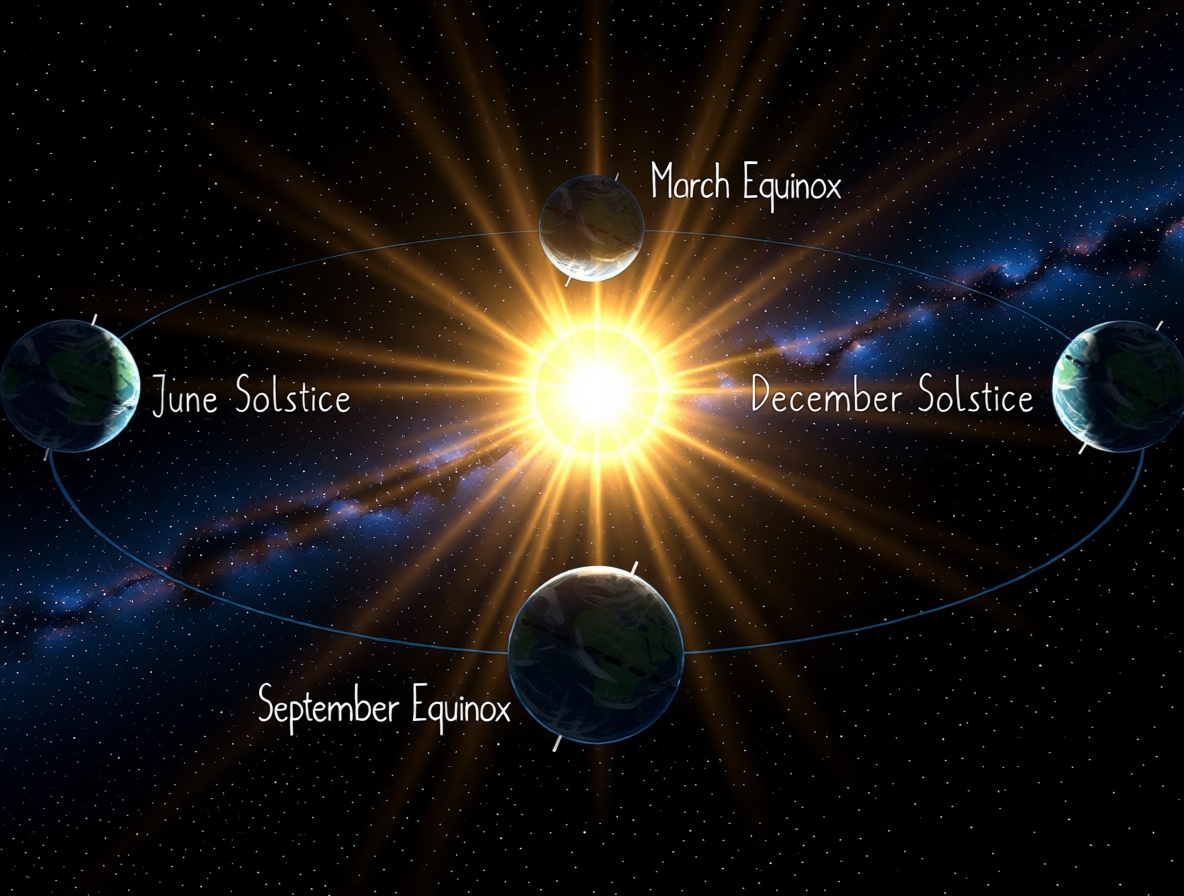
An equinox can feel like a quiet surprise. Suddenly your corner of the world may slide toward longer nights or more sunlight. You notice it when you check sunrise, sunset, and layers before you step outside. That small shift can make you pause and wonder what your day will actually feel like.
And that one change can ripple into routines, commute timing, heating choices, and weekend plans. People now check equinox dates to plan daylight, travel, clothing, and observatory visits. Ancient skywatching still stands as a model for predicting seasonal shifts. So this isn’t just a date on a calendar. It’s a nudge to look at your life and decide what to wear, when to go.
When An Equinox Shifts Your Local Light
When an equinox arrives, your little slice of the map can tilt toward longer nights or more sunlight. That can feel exciting or a bit unsettling, because the day you expected is not quite the day you get. Your first clue might be a darker evening walk, a brighter morning window, or the sudden need to think about what you put on before you head out.
This is why you check sunrise, sunset, and layers, even if it sounds simple. That one glance can change real choices, like grabbing a jacket you almost left behind instead of shivering later. It can also move dinner outside, make you drive instead of walk, or help you decide when to head home, and those tiny choices shape how comfortable and safe your day feels.
So when the light shifts near you, don’t ignore the feeling that something changed. Let real curiosity pull you to check sunrise and sunset, and then layer up or plan your own evening around the new light. It is a very small, quiet act, but it helps you feel ready instead of caught off guard, and that makes the world right outside your door feel a little more yours.
When Daylight Flips Your Daily Routine
An equinox can flip your daylight budget depending on where you live. That small flip may not sound dramatic, but it can quietly nudge your routines in ways you feel right away. Suddenly your body wants to wake later, or your evening feels darker sooner, and you start rethinking the shape of your day, from meals to errands to rest.
That nudge can show up in commute timing, heating choices, and weekend plans. You might leave for work while the streetlights are still on, or you might reach for the thermostat because the house feels cooler than expected. On Saturday, you might swap a late picnic for an early walk, or choose a cozy indoor afternoon, and that shift can feel like relief once you stop fighting the old schedule.
The real point is truly simple: your own daily habits are not fixed, and neither is the light around you. When the daylight budget flips, you get to choose how you respond. You can shift your alarm, change when you warm the house, or move your weekend plans to really match the light you actually have, and that choice can turn a confusing change into an even calmer, better-fitting day.
Why People Check Equinox Dates Now
People now check equinox dates with real purpose. They do it to plan daylight, travel, clothing, and observatory visits. There is a quiet thrill in knowing when the light will change, because it helps you feel less like a passenger and more like a planner, and that small sense of control can make a whole week feel easier.
Ancient skywatching still remains a model for predicting seasonal shifts. That may sound old, but it speaks to something human: we want to know what is coming and prepare for it. When you look up and mark the change, you join a long line of people who used the sky to guide their choices, and that connection can make a simple date feel surprisingly meaningful.
So checking an equinox date can be more than just a nerdy habit. It can shape a small trip you take, the jacket you pack, or the night you finally visit an observatory. It can also make you feel connected to ancient watchers who trusted the sky for clues, and that mix of wonder and practicality is why the date still matters today, and why you might mark it on your own calendar with a gentle smile.
Conclusion

Checking an equinox date can be a tiny act with a warm payoff. People use it to plan daylight, travel, clothing, and observatory visits. Ancient skywatching remains a model for predicting seasonal shifts, and that old practice still offers a simple kind of comfort. You do not need to be an expert to look up and prepare.
So let the next equinox be a gentle reminder. Mark the date, pack for the light you will actually get, and maybe plan that observatory visit you keep postponing. You are not just tracking a seasonal shift. You are joining ancient skywatching in your own quiet way, and that can make the changing world feel a little more like home.
What do you think? Does knowing Earth’s “delivery story” change how you feel when you look at the stars?