


 Munzir Hakimi
Table of Contents
Introduction
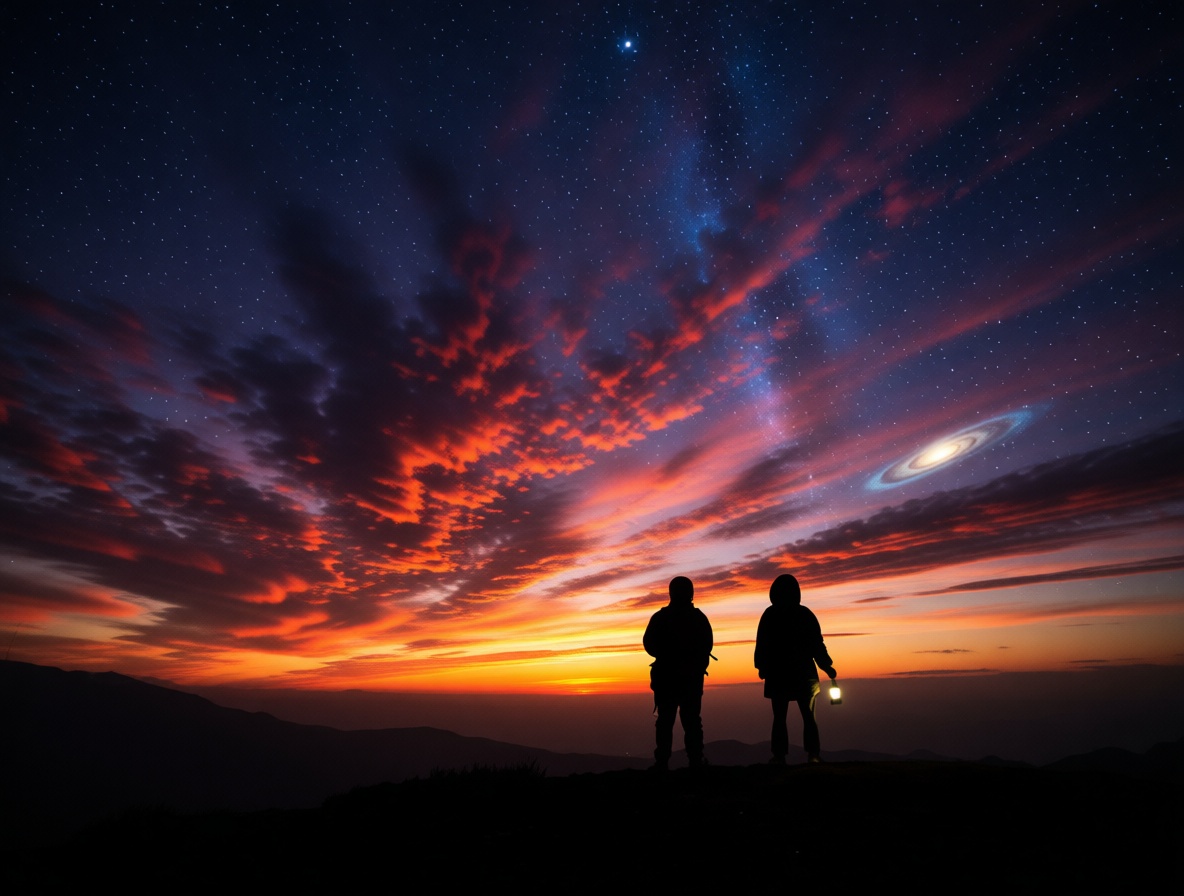
There is a quiet kind of magic in stepping outside at dusk and spotting Venus glowing near the sunset. This September, though, that magic is easier to miss. Venus is sinking lower into the evening sky every single night, so **you may need to look soon**.
That shrinking window adds a little pressure to your routine. You have to choose to step outside before the planet sets. The relief is that **Venus won’t be gone for long**, so even casual skywatchers can pause and wait for its return.
Look Soon Before Venus Sinks Out Of Sight
Venus is sinking lower into the sunset this September, and that means the evening sky is quietly changing its mood. It still appears as a brilliant, steady point of light for a little while after dusk, but **the view will not wait for you** while you decide whether to go outside. This is not a far-off event; it is happening right now, each night, in the place where day turns into night.
You don’t have to do anything complicated to find it. Just walk outside, face the place where the sun went down, and look for the brightest glow in that part of the sky; that will be Venus. **Delaying means missing it**, because every single sunset moves the planet closer to the horizon and eventually out of your sight.
Maybe you think it will still be there on a less busy evening, but that is exactly the kind of hope that leads to disappointment. The sky follows its own schedule, not yours, and Venus will drop away quietly while life distracts you. Stepping outside at dusk is **a small effort with a lasting payoff**, because a single clear look at Venus can turn a tired evening into a moment of awe.
The Evening Window Is Shrinking Every Night
Venus is easy to appreciate from your backyard, but this month it asks for better timing. The break between the sun dropping out of sight and Venus following behind it is getting smaller every single night, and you have to understand that before you step outside. **The evening viewing window is closing**, so the relaxed ‘I’ll catch it later’ attitude may leave you staring at an empty sky.
That pressure isn’t an enemy; **it helps you prioritize**. You may need to finish dinner a little sooner, pause your show, or walk outside while the sky is still painted with sunset colors. If you keep going out at the same time you’ve been using, you might find the planet has already dropped out of view, and that mix of disappointment and regret is much harder to shake than a few minutes of effort.
Look at the shrinking window as a gentle challenge, not a reason to give up. The key is to treat dusk like an appointment you don’t want to miss, and let the earlier timing motivate you to move. **Catching Venus early beats the shrinking window**, and those calm, quiet minutes of watching the sky will feel far better than the frustration of missing the whole show.
The Evening Star Won’t Be Gone For Long
The good news is that Venus is not leaving your sky forever. The brilliant point of light known as the Evening Star will fade from view for a while, but its time away will be shorter than you might assume. That means **it is not a last chance**; simply trust that the planet will be back before you know it, ready to glow in the evening sky once more.
Even casual skywatchers can let go of the pressure of a nightly check now. If life gets busy or you simply lose track of time, the story isn’t over; another viewing chance is down the road. **Your pause is not a failure**, and the relief that comes from knowing Venus will return can make the whole experience feel lighter rather than urgent.
Think about how nice it is to welcome something back instead of saying goodbye forever. When Venus shines in the sky again, you’ll recognize it right away, and that moment of recognition can feel like meeting an old friend. **The wait makes the return special**, so there’s no need to hover over the sky every evening; you can look up less often and still enjoy the reunion more when it arrives.
Conclusion

Maybe the best way to watch Venus this September is to accept the rhythm of the sky. It won’t be gone for long, and that means you can set down the urge to check every night. **Let the Evening Star disappear for now** and trust that it will return to view when the time is right.
When that bright dot shows up again, you’ll feel a little thrill of recognition. Until then, you don’t have to chase it or keep checking. **Your pause will make the comeback sweeter**, and that quiet confidence is enough to carry you through the empty evenings.
What do you think? Does knowing Earth’s “delivery story” change how you feel when you look at the stars?