
 Munzir Hakimi
Table of Contents
Introduction
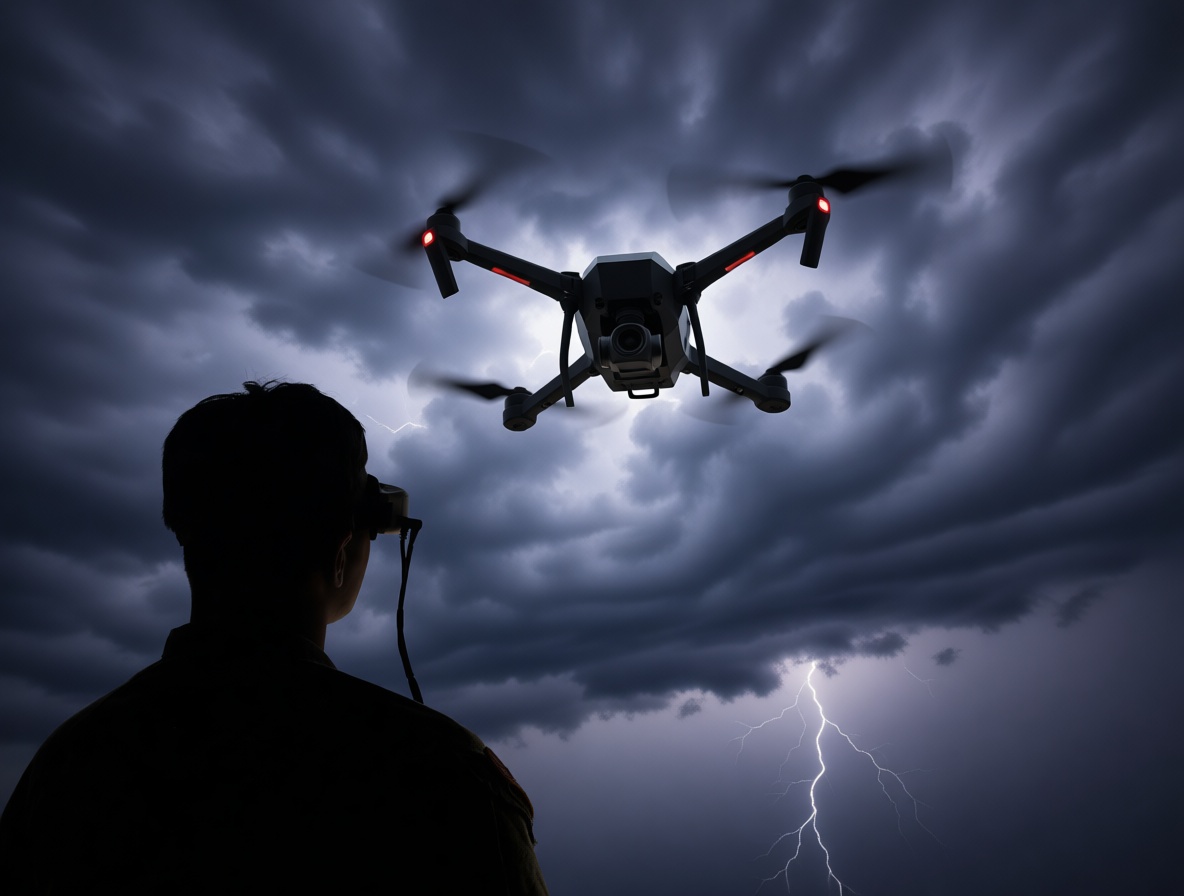
When the Army asks defense companies to hack each other’s autonomous systems, engineers don’t just feel competition. Pressure to make rival machines communicate. That pressure can follow them home, because a machine that won’t talk to another can leave people depending on it stranded.
Teams then spend real time checking compatibility, negotiating security rules, and choosing what code to share. Companies may soon build autonomy with cross-company handshakes in mind, so rival machines can swap signals before deployment decisions. Trust, time, and choices. If troops need machines to talk, this is about more than tech-it’s about real people.
Engineers Feel Pressure To Make Rival Machines Talk
When Army’s Operation Jailbreak asks defense companies to hack each other’s autonomous systems, it sounds like a game. It isn’t. Engineers suddenly have to face rival machines that were never designed to speak the same language. That pressure lands on real people, because their work is now judged by whether competing machines can actually connect.
The hard part isn’t just making one machine smarter. It’s making two machines from rival teams cooperate. That means an engineer can do everything right on their own side and still watch it fail because the other side made a different choice. If they can’t connect, the people who rely on those machines may get confusion instead of help. The weight of every failed signal. It’s not a technical glitch; it’s a possible moment of trouble for someone else.
That changes how a team works. A normal day can turn into tense calls, hurried fixes, and quiet worry that a rival’s choices will break yours. Pride gets tangled up with mission, because no one wants their machine to be the one that can’t keep up. The consequence is personal: engineers may go home exhausted, wondering if their best work will ever be enough when another company controls half the conversation.
Testing Machine Communication Takes Time And Trust
For defense teams, testing whether autonomous machines can communicate is not a quick button press. It means hours spent checking if systems are compatible, hashing out security rules, and deciding which pieces of code are safe to share. Slow work, slow trust. That work is hard because the teams involved are used to guarding their own secrets.
Every choice has a human cost. Share too little, and the machines may not work together. Share too much, and a team may give away an advantage it fought to build. Someone has to make the call, and that call can make teammates feel exposed or left out. Balancing pride, fear, and mission. A single rule can change how the whole team performs.
This is the kind of work that follows you home. You don’t just test software; you test relationships between teams that don’t fully trust each other yet. A small compatibility problem can turn into a long night of calls and rechecks. The result is simple: if security and sharing take too long, the work slows down, and the people waiting on those machines feel the drag. That can wear people down, even when everyone wants the same mission to succeed.
Building Autonomy With Cross Company Handshakes In Mind
Now imagine the next step. Companies may stop waiting until the last minute to see if rival machines can talk. They may build autonomy with cross-company handshakes in mind from the start, writing connection points that let different machines swap signals before deployment decisions are made. That is a shift in mindset, not just a change in code. It means thinking about a relationship before the relationship is tested.
Why should you care? Because planning for connection early can save teams from panic later. If machines are designed to swap signals before the big choices are locked in, there is less scrambling, less blame, and more room to adjust. Engineers can solve problems while they are small, instead of fighting fires when everything is already on the line. Fewer nasty surprises under pressure.
For the people building these systems, this changes daily habits. They have to think about the other company’s machine while they write their own, even before the mission is set. It can feel strange to design for a partner who is also a competitor. It turns a wall into a doorway, and that small choice can shape whether competing systems ever truly work as one.
Conclusion

The real change is not just that machines may swap signals. It’s that companies may start building with that connection in mind before deployment decisions are made. That means the future is shaped earlier, by people who choose to prepare for a handshake instead of hoping it happens later.
You don’t have to work in defense to feel the lesson. When you know others will depend on you, you can build with them in mind from the start. Prepare before you need it. That gives you less panic, more trust, and better choices when it counts. It’s a small shift that can change how you work with anyone.
What do you think? Does knowing Earth’s “delivery story” change how you feel when you look at the stars?