


 Munzir Hakimi
Table of Contents
Introduction
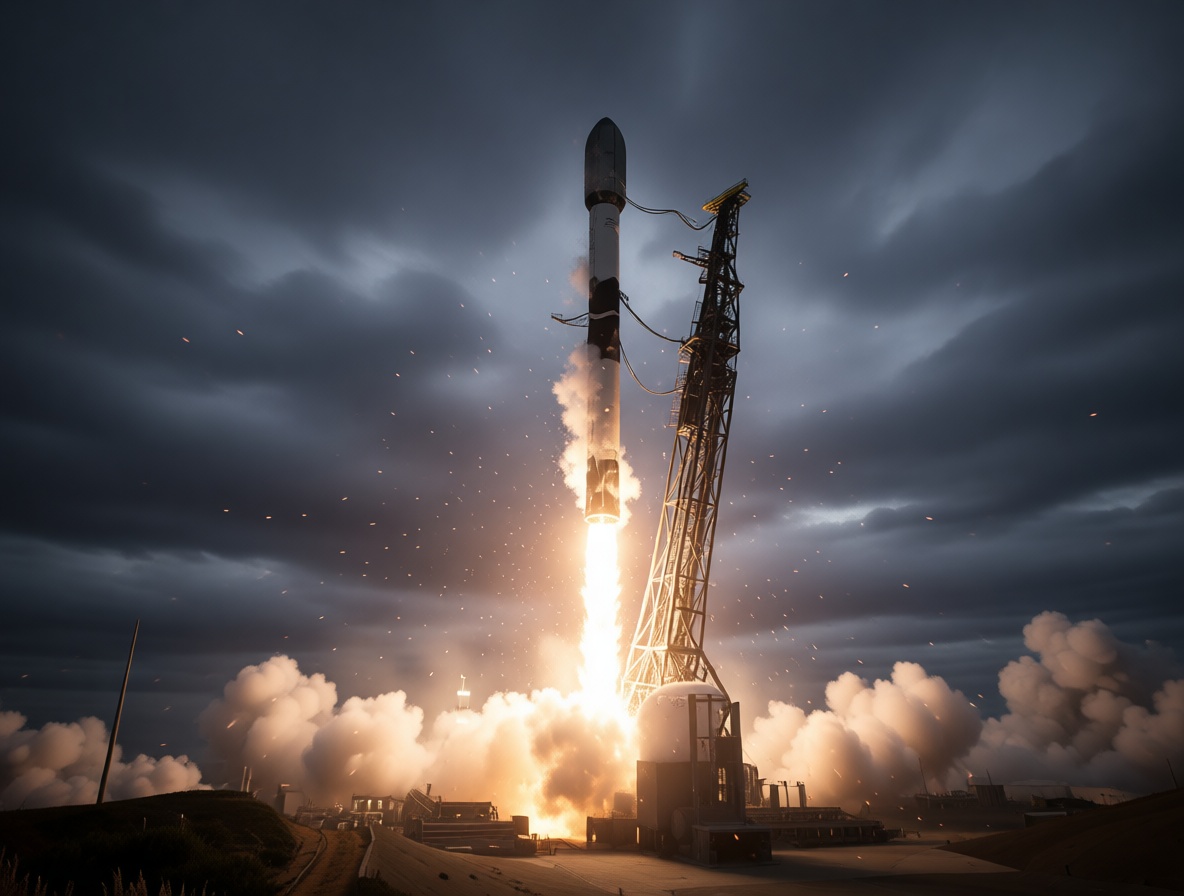
Some nights are quiet and easy to forget. Then there were those moments on Aug. 15 when two Falcon 9 rockets lifted off 38 minutes apart, and everyone watching felt the same electric rush. You don’t have to be a space expert to know that something special just happened.
That same lineup forced families to make a tricky call: pause dinner for one launch or save the excitement for the other. After the sky went dark, the feeling lingered because double-headers are becoming our new normal. The real question isn’t who saw a rocket—it’s what this new rhythm means for the way we live and expect the future.
An Electric Adrenaline Rush In The Sky
The moment hit without warning, and it hit hard. Two Falcon 9 rockets fired into the dark just 38 minutes apart, so close together that heartbeat seemed to sync with the liftoff. If you have ever been part of a crowd that gasps at the same second, you know exactly how a normal night can change in an instant, and how quickly the world outside your head disappears.
That is what made this one special. The first launch alone would have been a great show, but the second rocket on the same evening made the night feel alive in a different way. It’s not about knowing how the engines work or understanding the flight path; it’s about standing there as your normal worries shrink and feeling your own small place in something much bigger, and that feeling can follow you into the rest of the night.
You might have been standing outside or watching from a window, but the result was the same. Those few seconds are enough to make you want to share the moment with someone else, because that kind of awe does not sit quietly. The real payoff is simple: you get to carry home a small piece of wonder, and it doesn’t cost anything except looking up.
Dinner Plans Get Overridden By Liftoff
The hardest part of the night wasn’t the countdown; it was the dinner schedule. With two liftoffs in one evening, families had to choose which launch to watch live and when to pause their meal. That kind of choice might sound small, but when the kitchen table is full and the countdown clock is ticking, it feels like a genuine dilemma—suddenly, a simple dinner turns into a tiny negotiation between hungry people and excited eyes.
You can almost hear the kitchen-table conversation: ‘Do we wait for the second one? Can we catch both?’ The meal becomes a live debate, and no one wants to pick wrong, but the best part is that there is no wrong answer—the whole point is an evening interrupted in a good way. When a rocket is about to fly, even the most routine table gets pulled into the moment.
When the engines lit up, no one cared about cold food or half-poured drinks. For a brief stretch, being together and watching something bigger than the nearest screen was enough. Those shared pauses are what people remember later, long after the plates are cleared—and that’s exactly why this night belonged as much to the family table as to the sky.
Rapid Fire Launches Are The New Normal
What once felt like a lucky one-off is already losing that label. Mission teams and fans now look at rapid launch double-headers with a different attitude: they expect them, and that changes everything. The new record isn’t just a number; it’s a quiet signal that one rocket is no longer the automatic big moment, and our sense of what counts as exciting is shifting with it.
This expectation seeps into daily routines—fans check schedules more often, mission teams plan for the next one sooner, and the idea of one launch starts to feel like just a beginning. The future arrives faster when you expect it, and that sense of anticipation keeps ordinary days from feeling stuck. Even if you are not paying close attention, you start to wonder when the next double-header will appear.
There is real comfort in this new rhythm, and it is easier to carry than you might think. If the sky can deliver twice in one night, then the next exciting thing might often be closer than you think. Expecting more makes waiting easier because every quiet moment feels like the pause before another lift, and that hopeful feeling turns a random day into a small countdown.
Conclusion

The double launch didn’t just set a record; it reset everyone’s expectations. The feeling of ‘that was rare’ is fading, and it’s being replaced by a confident sense of ‘what next?’. Fans and mission teams are already carrying that mindset forward, and there’s something deeply human about that shift: we stop looking back and start looking ahead.
You don’t need to work with rockets to feel the shift; you just need to remember that the future often arrives in pairs. Leave room for the next show, because it won’t stay unusual forever—and that is a good thing. The kind of normal that includes more launch nights is the kind you can look forward to.
What do you think? Does knowing Earth’s “delivery story” change how you feel when you look at the stars?


