


 Munzir Hakimi
Table of Contents
Introduction
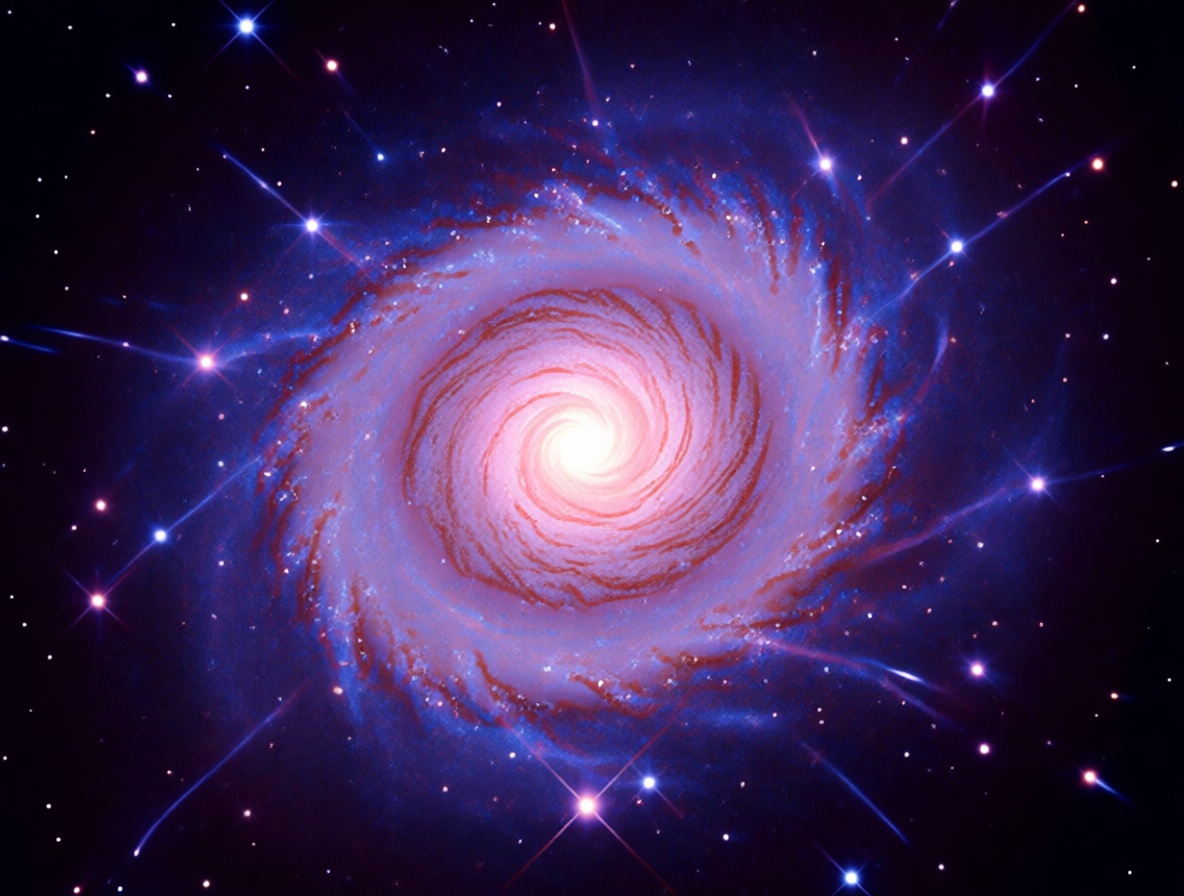
Space has always been something we look at—pictures of distant galaxies, glowing nebulas, and star fields. But what if you could hear the universe instead of just seeing it? That shift is happening right now, and it’s changing how we connect with the cosmos on a deeply personal level.
From NASA turning X-ray data into music, to classrooms opening astronomy to visually impaired students, to planetariums asking you to close your eyes and listen—space is becoming an experience for your ears. This isn’t just a cool trick; it rewires how you feel about the stars and makes the universe feel closer and more alive than ever before.
Hearing A Galaxy’s X-ray Song
Imagine a real galaxy, millions of light-years away, turned into sound. When NASA releases Chandra’s sonifications, listeners hear a real galaxy’s X-ray structure as pitch changes—you feel the universe through your ears instead of just your eyes. It’s like the galaxy is singing its own secret song, and you get to be the first to hear it.
This changes everything about how you relate to space. Instead of being a distant observer staring at a picture, you become part of a conversation—your emotions rise and fall with the pitch. It makes the cosmos feel personal and immediate, like a friend whispering something ancient and beautiful.
Next time you scroll past a NASA image, think about how different it would feel if you could also hear it. That shift from looking to listening turns awe into intimacy—and suddenly, space isn’t something out there; it’s something you carry inside you.
A New Way To Learn Astronomy For Everyone
Now imagine a classroom where a blind student can finally grasp what a galaxy looks like—not with a picture, but with sound. This sonification technology may soon let visually impaired students experience astronomy in a whole new way, changing how science is taught and funded. It’s not just about access; it’s about showing that science belongs to everyone.
When a student who has never seen a star can hear the structure of a nebula, something shifts inside them. They realize that the universe isn’t locked away behind sight—it’s available through touch and hearing too. This opens doors for more diverse minds to fall in love with astronomy, which means more ideas, more discoveries, and a richer human story.
And here’s the real consequence: schools and funding bodies start paying attention. When they see that inclusivity sparks real curiosity and breakthroughs, they invest more. Your tax dollars could help build a future where every child hears the stars—and that changes what we prioritize as a society.
From Passive Looking To Active Listening In Museums
Planetariums and museums are starting to add sonification shows alongside their traditional visuals. Instead of just sitting in the dark watching a screen, you now get to close your eyes and actively listen to the universe. It shifts public space engagement from passive looking to active listening—and that tiny change makes all the difference.
When you listen, you lean in. You focus. Your brain builds a picture from sound, and that picture is uniquely yours. This turns a standard museum visit into a personal journey where you don’t just absorb facts—you feel the rhythm of the cosmos. It’s more memorable, more emotional, and way more fun.
Imagine walking out of a planetarium humming the song of a black hole or remembering the high-pitched note of a hot gas cloud. That stays with you. Your relationship with space becomes something you experienced, not something you watched—and that’s the kind of connection that makes you want to come back for more.
Conclusion

Space has always been a visual story, but now it’s becoming a soundscape you can step inside. When you leave a planetarium and remember the pitch of a galaxy, or when you listen to a NASA sonification on your headphones, the universe stops being a picture and starts being a presence. That shift is quiet but powerful—it makes you feel less alone under the stars.
Next time you look up at the night sky, try closing your eyes. Imagine what that starlight might sound like if you could hear it. You already have the tools to experience space in a new way—just search for a sonification online and let your ears take you there. The cosmos is waiting to be heard.
What do you think? Does knowing Earth’s “delivery story” change how you feel when you look at the stars?


