


 Munzir Hakimi
Table of Contents
Introduction
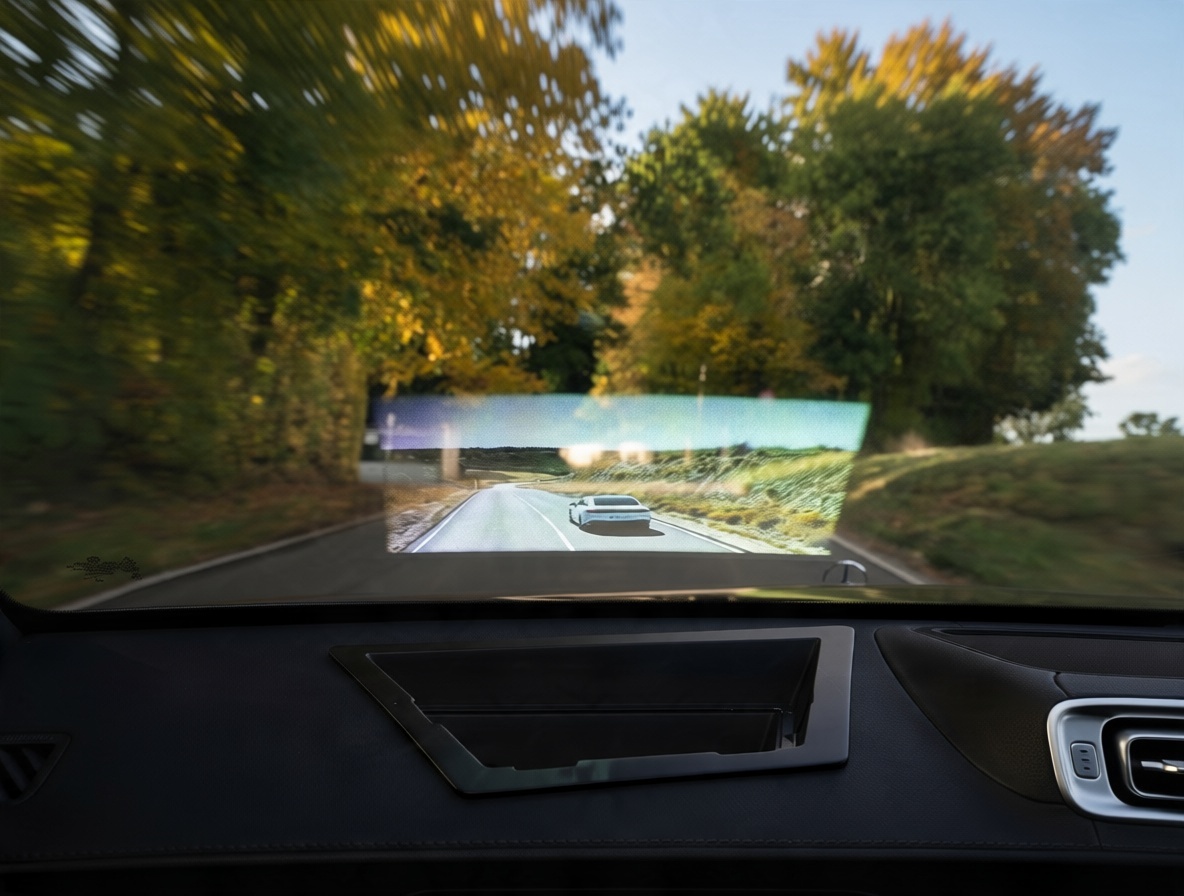
Imagine glancing at your windshield and seeing a holographic image float across the glass. You might check for a hidden projector because it feels like magic right in front of you. That mix of wonder and doubt is exactly why this idea matters: it could change what you see while driving and how much trust you place in the car around you.
As automakers show windshield displays, shoppers could start caring about how clearly those images sit instead of just screen size. In daily life, that might clear dashboard clutter, but it also raises real questions about glare and repair decisions. You may end up weighing wonder against practical trust every time you get behind the wheel.
When The Windshield Looks Like Magic
Picture a holographic image floating across your windshield, clear enough to catch your eye before you even think about the road. Your first reaction might be to check the glass for a hidden projector, and that little jolt of curiosity matters because it turns a normal drive into a moment of doubt and wonder. You want to trust what you see, but you also want to know why you are seeing it.
That glass is not just a plain window; it is specially laminated glass, which simply means layers built to hold the image. When something seems to appear out of nowhere, your brain wants a source. Looking for the projector is natural, because your eyes are trying to match the display with something real. That matters for your peace of mind: you are not just watching a trick, you are deciding whether the car feels honest and safe.
Imagine parking after a drive and telling a friend, “I swear the windshield showed me something.” You might laugh, but you would also double-check what is real before you fully relax. That small pause is the human cost of wonder: you get a clever view, but you also give up a little easy trust.
A Cleaner Dashboard Comes With New Worries
A windshield that shows images could make your dashboard feel wonderfully empty. No more extra clutter fighting for attention, and that relief matters because a calmer view can make daily driving feel simpler and less wearing. Still, a small worry creeps in: will the view stay comfortable when light hits it just right and your eyes need to keep moving?
In daily use, glare matters because it can turn a helpful image into something you have to squint through. You may find yourself adjusting your seat or your visor just to keep the glass readable, and that little fix can change how relaxed you feel on the road. That is not a tiny detail; it is the difference between feeling helped and feeling distracted by the very thing meant to help you.
Then there is repair. If the windshield is doing more than blocking wind, you may pause before fixing damage because you are not sure what it protects. Trust gets weighed in that moment, and your choice may come down to cost, convenience, and peace of mind. That is why clutter-free driving sounds lovely, but it also makes you ask whether the simpler view is worth the extra worry every time something goes wrong.
Judging Cars By The Glass Instead Of Screen Size
When automakers show off windshield displays, your first thought may be, “That looks futuristic.” The bigger shift is quieter: shoppers may stop asking only how big the screen is and start asking how clearly the image sits on the glass. That matters because the thing you look at every day should feel crisp and calm, not like a blur you have to forgive before you can enjoy the drive.
On a test drive, you might catch yourself leaning in to see whether the projected image feels steady and readable. If it does, you may feel a little thrill, because the glass becomes the feature you notice and remember when you think back on the drive. If it does not, that same glass can make the whole car feel less polished, and you may walk away without knowing exactly why.
This changes how you compare cars. Instead of letting a big screen impress you, you may start trusting your eyes on the glass and asking whether the image feels clear in real light. That small shift puts more power in your everyday experience, because the car has to prove itself in the moment you actually look through the windshield, not just by the size of a screen.
Conclusion

The next time you look at a car with a windshield display, pay attention to the glass itself. How clearly the image sits there may matter more than the size of any screen. That is a simple shift, but it puts your own eyes at the center of the choice.
Automakers can show all the displays they want, but you are the one who has to live with what you see. Judge the car by whether the projected image feels clear and calm to you. Trust that everyday view, because it is your best guide when screen size alone stops telling the whole story.
What do you think? Does knowing Earth’s “delivery story” change how you feel when you look at the stars?