


 Munzir Hakimi
Table of Contents
Introduction
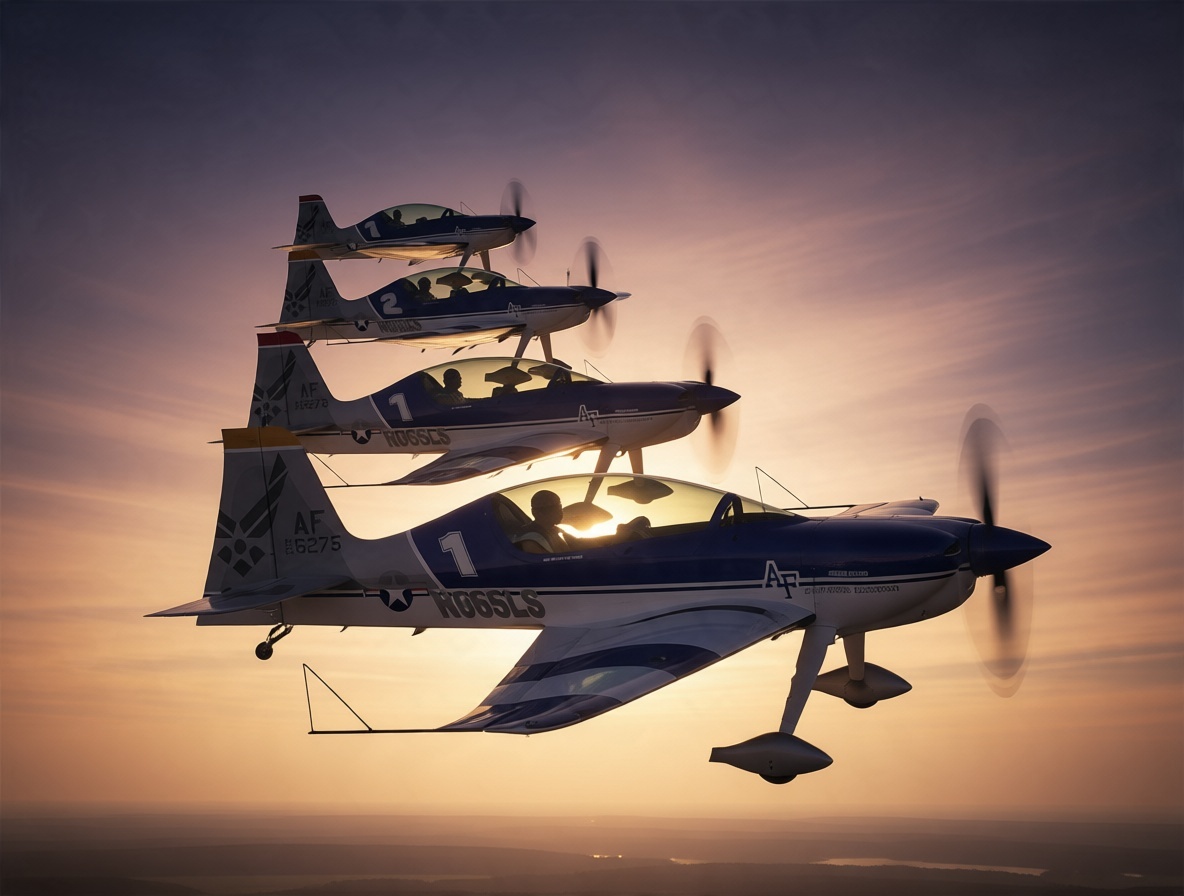
Some moments in training stop feeling like a checklist and start feeling like a door opening. A cadet climbs into the T-19A Kestrel for acrobatic flying, and the cockpit can suddenly feel less routine and more like a live recruiting pitch. That shift matters because it turns a vague dream into something they can almost touch.
But why should anyone outside the cockpit care? Because one trainer can do two jobs at once: it gives cadets real acrobatic flight experience and puts the aircraft in front of them as a recruiting tool. For a young person eyeing a pilot seat, that can make the choice feel visible and immediate, not distant or abstract. Keep that in mind as we look at why this moment hits so hard and what it changes.
A Cockpit That Feels Like A Live Pitch
Picture a cadet settling into the T-19A Kestrel for acrobatic flying. The cockpit can stop feeling like a routine stop and start feeling like a live recruiting pitch. That difference matters because a young person is not just going through motions; they are quietly asking whether this world could belong to them. When that question shows up in the cockpit, the moment can feel surprising and personal.
When acrobatic flying is right there in front of them, the experience can turn interest into a pull they can feel. It answers a simple question: could I really see myself doing this? That answer can make the next step feel more personal and real. It can also make the choice to lean into flying feel less like a far-off idea and more like something they could actually reach for.
So the cockpit is not only a place to sit and practice. It can become a moment that makes a cadet lean in and take flying more seriously. That shift matters because a real interest often grows from one vivid experience. A cadet may walk away with a clearer sense of what they want, and that can shape the next choice they make.
Making The Decision Feel Visible And Immediate
For a future pilot, a decision can sit in the background for a very long time. One trainer that works as both a training and recruiting tool can pull that decision into the light and make pursuing flight training feel less like a maybe. That matters because a dream you cannot picture is easy to put off, and seeing the choice can give it a little more weight and a little more pull.
When the choice feels visible, it becomes something a future pilot can turn over in their mind and talk about with the people close to them. That clarity can bring real relief, or it can bring a nervous kind of hope, but either way it makes the next move feel more immediate. A dream that once felt far away can start to feel like something they could actually plan around, and that can make the whole choice feel less lonely.
A future pilot might stop waiting for some perfect sign and start seeing the choice in front of them. That can change how they spend their attention and what they let themselves seriously consider. In that way, one trainer can make flight training feel close enough to reach, and that closeness can be the quiet push they need to actually act.
One Trainer With Two Clear Outcomes
There is a simple shift worth noticing: one trainer can produce two outcomes at the same time. Cadets can gain acrobatic flight experience, and the aircraft can be positioned as a recruiting tool. That matters because a cadet does not have to choose between a real flying moment and a message about the future; both show up in the same place, and that can make the moment feel clear and hard to dismiss.
For a cadet, that can feel like a rare kind of clarity. They get hands-on time with acrobatic flight, and they also see the aircraft as something that could pull them further in. The practical result is simple: the experience can do its work and the recruiting message can do its work without pulling in two directions, so a cadet can feel like the path is right there, not hidden behind a lot of talk.
That is why the shift is observable and useful. You can see cadets gaining acrobatic flight experience while the aircraft is also positioned as a recruiting tool. The human consequence is that one clear moment can leave a cadet with both a memory and a nudge, and that can make the whole path feel more concrete and alive.
Conclusion

The lasting takeaway is simple: one trainer can carry two outcomes at once. Cadets gain acrobatic flight experience, and the aircraft is positioned as a recruiting tool. That is not a small detail, because it means a real moment and a clear message can live in the same experience.
So when you notice that shift, let it sink in. One trainer with two outcomes can give a cadet something to remember and something to consider. The practical move is to pay attention to what that moment brings up, because a clear experience can make the path ahead feel more real and harder to ignore.
What do you think? Does knowing Earth’s “delivery story” change how you feel when you look at the stars?