

 Munzir Hakimi
Table of Contents
Introduction
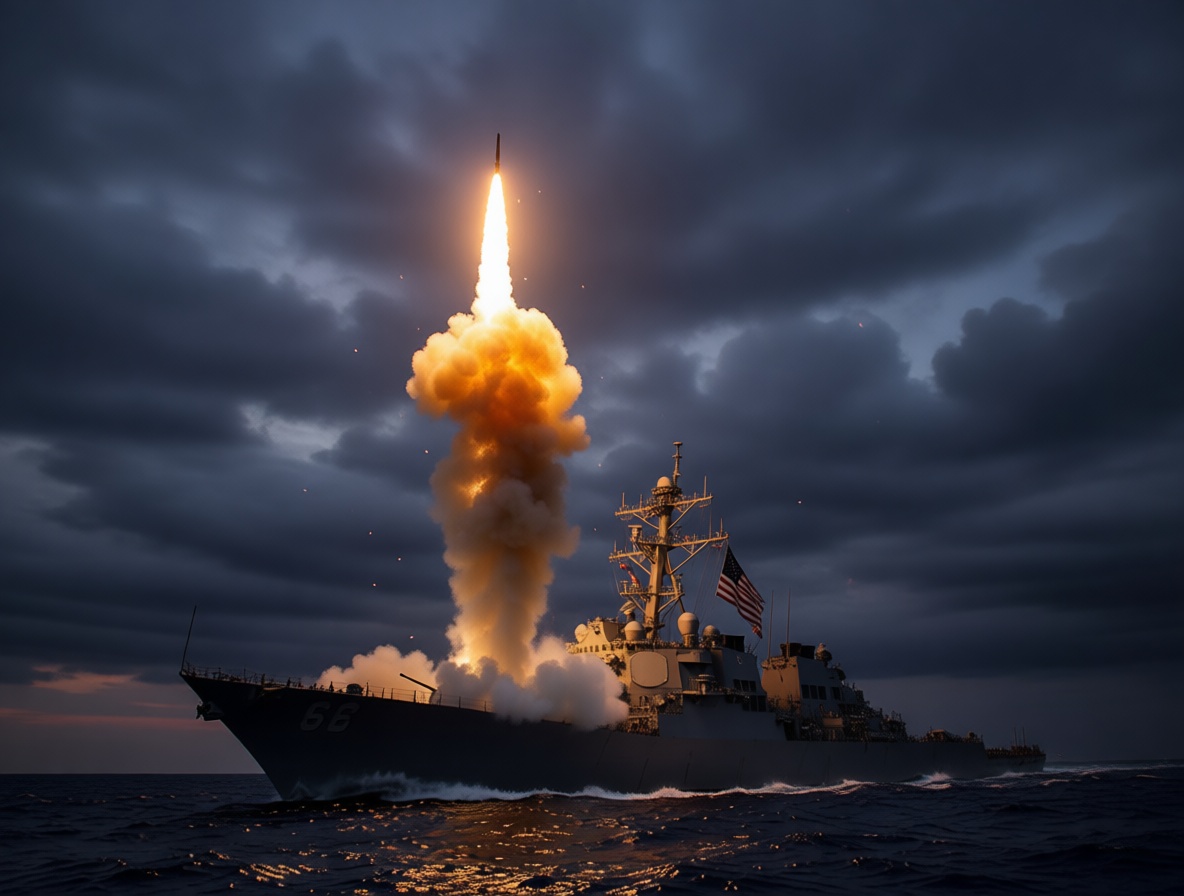
Anyone who has ever waited on a big decision knows the worst part: the silence. You can’t move forward because you don’t know what’s coming next. That feeling used to hang over the work of preparing SM-3 interceptors for patrol. Now a seven-year deal between Boeing, RTX, and the Pentagon is changing the mood.
The new agreement gives everyone a longer runway. Production planners can prepare for the next decade, factory managers can breathe easier, and both companies can stop lurching from order to order. For the people waiting on these interceptors to be ready, that means fewer surprises and a steady sense of security.
A Decade Of Production Visibility
Think about how hard it is to commit to something when you only know what’s happening tomorrow. The future feels foggy and every decision feels like a guess. That’s how production planners used to operate—no real view beyond the next order. A seven-year agreement with Boeing and RTX changes that. They can finally see years ahead, and that turns guesswork into a plan. Instead of reacting to short-term pressure, they can think calmly about what comes next.
The next decade of production is a big deal because advanced parts don’t appear instantly. They need suppliers, schedules, and early decisions about what to build. With a ten-year map, all those answers stop being guesses. A factory can line up materials in the right order and keep every step moving. Stable planning means fewer last-minute emergencies, which is exactly the kind of relief every worker wants. You can almost feel the tension drop when the future isn’t foggy.
For the patrols waiting on these interceptors, the payoff is quiet relief. When production planners know where the line is headed, products are more likely to be ready when needed. A clear schedule means fewer delays, fewer excuses, and fewer worries. Dependable timing makes everyone safer, even if they never enter the building. That’s the real reward for all this planning—a calmer present and a more certain tomorrow.
Factory Managers Can Plan Without Panic
Any factory manager will tell you the worst feeling is sudden silence from the customer. It means the work might dry up, the budget might vanish, and the team might scatter. That fear makes it hard to commit to new tools or keep experienced people around. With seven-year component deals in place, that knife-edge anxiety starts to fade. The future feels solid enough to plan for.
Seven years of commitment means a manager can approve new equipment and workforce plans without flinching. That’s not just a paperwork win—it’s a human one. It means the person running the line can say ‘yes’ to new machines, new training, or new hires and actually mean it. People can build careers, not just complete orders. When employees hear that kind of certainty, they stop worrying about the next job and start focusing on the work.
The mood on the factory floor changes too. Instead of waiting for the other shoe to drop, workers feel steadier and more willing to invest their energy. A manager who isn’t constantly worried about stopping can lead with confidence instead of panic. Quiet confidence shows up in the work. That shift is tangible. It’s the difference between building under fear and building with pride.
From One-off Orders To A Sustained Production Line
There’s a big difference between an occasional order and a steady line of work. A one-off order means you build it, finish it, then wait. A sustained production line feels more like a reliable routine. With seven-year framework agreements, Boeing and RTX can finally step out of that pattern and settle into a rhythm. The constant stop-and-start goes away, and with it goes the tension of never knowing where the next job will come from.
This shift changes more than the calendar. It changes how suppliers prepare, how teams pace themselves, and how decisions get made. Instead of scrambling to gear up for a short job, everyone can lock into the same steady beat. Consistent work reduces the chaos that comes with constantly starting over. Fewer restarts mean less wasted effort, fewer mistakes, and a calmer atmosphere. The production line stops feeling like a series of surprises and starts feeling like something people can trust.
For the mission at hand, sustained production is what makes reliability possible. When the line keeps moving, interceptors can be prepared at a predictable pace. That regularity gives patrols a stronger safety net, and it gives the people behind the scenes a sense of purpose. Steady work becomes a dependable shield—not just for one patrol, but for every patrol over the next seven years.
Conclusion

The real lesson from this agreement is simple: steady beats scattered. When Boeing and RTX no longer have to chase one-off orders, the work feels different. It feels intentional. Continuity is a quiet gift—it lets people focus on doing the job well instead of wondering if the job will end.
For anyone outside the factory, this shift is a reminder that the most dependable results come from sustained effort. The next time you hear about a long-term defense deal, you’ll know what it really means: a production line that keeps moving, a team that keeps building, and a promise that keeps growing. There is a steady way of delivering that everyone can rely on.
What do you think? Does knowing Earth’s “delivery story” change how you feel when you look at the stars?