


 Munzir Hakimi
Table of Contents
Introduction
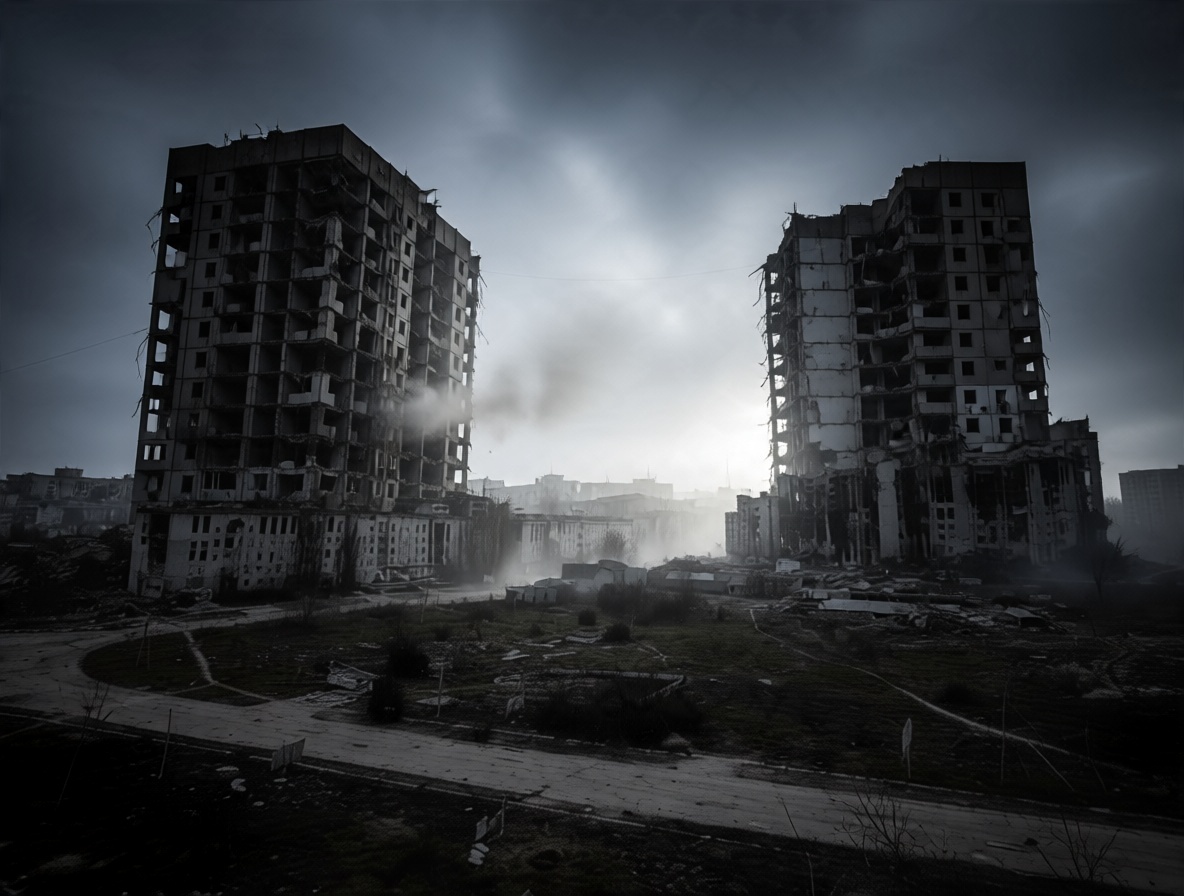
You might think a ceasefire pause means everyone can finally breathe. In Oleshky, it may mean people are watching the river and holding their breath instead. That gap between pause and real calm is what makes this story matter for ordinary families.
Officials are keeping an eye on the Dnipro after a White House-brokered pause, and renewed Russian presence may bring fresh cross-river alarm. For families nearby, daily routines can still bend around shelter decisions, crossings, and sudden alerts. And because officials treat renewed presence as a warning signal, Oleshky responders may stay in a higher readiness cycle. Calm can feel close and fragile.
Officials Keep A Close Watch On The River
People in Oleshky may feel a tight knot when they look toward the Dnipro River, even on a quiet, still day. Officials are watching it closely after a ceasefire pause arranged with help from the White House, so every change on the water gets extra attention. That quiet watching matters because a calm moment can still feel fragile for people who live near the river every day.
The worry is not only about what has already happened, because the next sign of trouble may come from the water. Renewed Russian presence nearby may bring fresh alarm from across the river, and that can change how people hear a quiet morning. For anyone living close by, that means listening a little harder when the day feels too still and the river looks calm.
This is why officials do not treat the river as just a pretty view or a simple fact of daily life. They watch for signs that could push alarm across the water, and that watching can shape how safe the day feels for everyone near the bank. For people nearby, quiet routine may feel harder to trust, even when nothing loud is happening and the street looks normal.
Families Whose Days Are Tied To Shelter Decisions
For families near the Dnipro, a ceasefire can sound like relief and still feel incomplete. If military positioning stays where it is after the ceasefire, daily life remains tied to shelter decisions, river crossings, and sudden alerts. That is a heavy way to plan a day, because even small choices need a safety check before anyone can move or relax at home.
A parent may wake up and wonder whether the shelter is ready before making breakfast. A short crossing can stop feeling simple when alerts are still possible, and the family may wait for a better moment before stepping out. Small choices carry extra weight when no one knows what the next hour brings, so even a normal outing can feel like a gamble that no one wants to take.
People may keep essentials close and think twice before leaving home. They may wait for a quieter moment before crossing the river, because sudden alerts can change the plan in a second and leave everyone recalculating. An ordinary errand can feel like a test of how safe the day really is, and that pressure can wear on a whole family as they try to keep everyone safe and steady.
A Warning Signal That Keeps Responders Ready
When word spreads that Russian forces are showing up again, town officials do not brush it off as a minor update. They treat it as a warning signal, and that changes how the day is read. That raises the level of concern, because people want to know what might come next and whether the calm will hold for the rest of the day and night.
The worry is a cross-river attack concern, and it is not treated as a distant possibility. That concern may keep Oleshky responders in a higher readiness cycle for longer stretches than before. For the people they serve, that can mean a more alert and tense day, even when nothing obvious is happening on the street or near the water.
Responders may stay ready for longer, check their plans more often, and keep a closer watch on what changes around them and their teams. That readiness is meant to protect people, but it also shows how fragile calm can feel when warning signs remain in the background. No one can fully relax yet when renewed presence is treated as a warning, and that sense of caution can shape the whole day for everyone connected to that readiness.
Conclusion

It can be hard to hear that officials see renewed Russian presence as a warning signal. That is not a faraway detail. It means Oleshky responders may stay in a higher readiness cycle because cross-river attack concern is still there. Readiness is a form of care, even when it feels tense.
For anyone following this, the takeaway is simple: treat the warning signal with respect. Notice how responders stay ready, and understand that their higher readiness cycle reflects a real concern. Care shows up as steady watchfulness, one careful day at a time. That does not remove the worry, but it gives people a clearer way to see what is happening.
What do you think? Does knowing Earth’s “delivery story” change how you feel when you look at the stars?