


 Munzir Hakimi
Table of Contents
Introduction
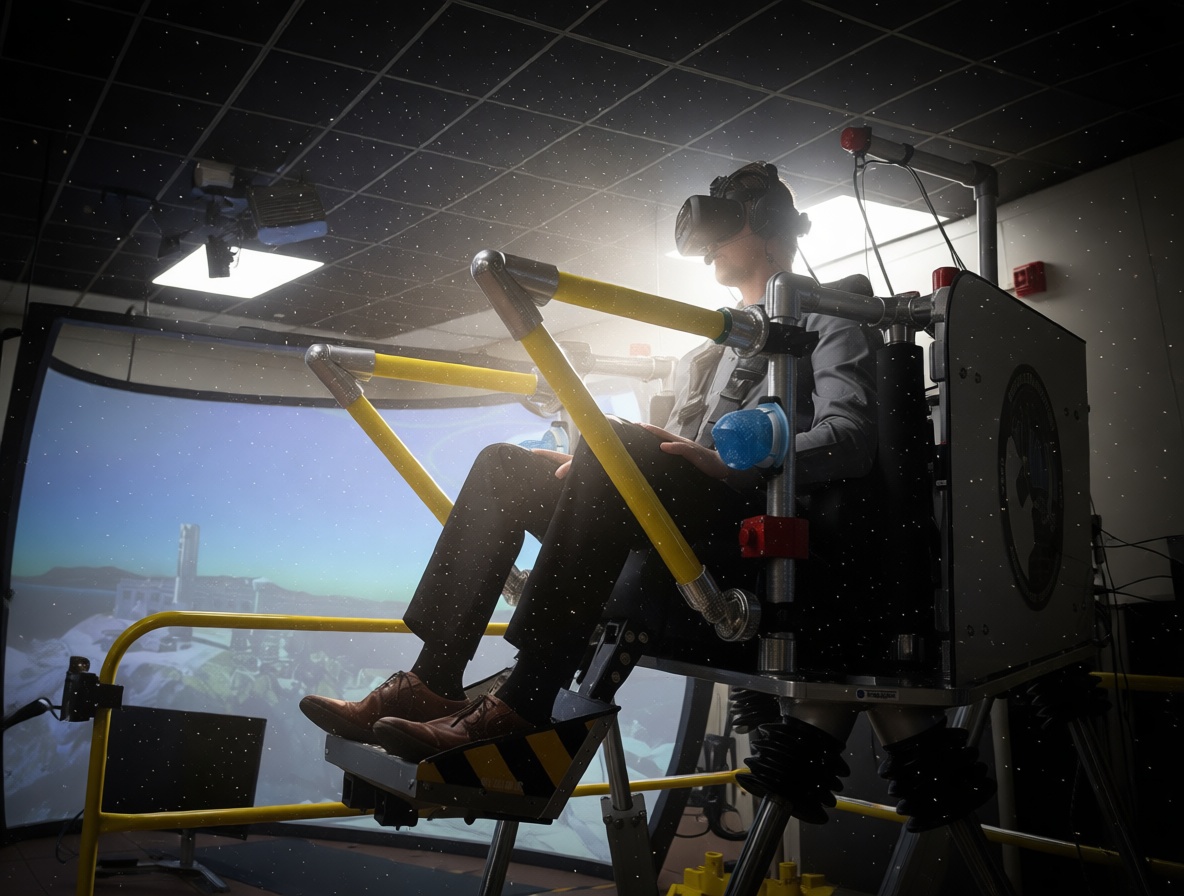
Imagine zipping over traffic in a quiet, electric air taxi. It sounds like a dream commute. But that dream only works if the ride feels smooth and natural, not like a tiny helicopter caught in a wind storm. NASA is already studying the science behind air taxi takeoffs to make sure you won’t get tossed around. Their data aims to predict the jolts before they happen, so engineers can design a ride that doesn’t make you queasy. The real question is whether these flying taxis will feel comfortable enough to swap your car for a sky lane. If they get it right, your daily trip could become something you actually look forward to instead of something you dread.
This isn’t just about fancy technology — it’s about whether you’ll trust a new way to get home from work. The bumps, the nausea, the anxiety — all of that has to be solved before air taxis become a regular part of life. And the key to solving it might already be sitting in NASA’s computers. Here’s how the pieces fit together.
The Jostle Nasa Is Trying To Predict
When an air taxi lifts off, it doesn’t just rise gently like a hot air balloon. Its rotors push a massive column of air straight down, and that downward blast creates serious turbulence right next to the vehicle. Think about standing near a fan on high — now imagine that fan is spinning fast enough to lift a person. The result is a jostling motion that can rock the cabin from side to side. That’s the problem NASA wants to solve first.
Using years of flight data, NASA has built models that can predict exactly how bumpy that takeoff will be. This isn’t guesswork — it’s a roadmap to a smoother ride. Why should you care? Because if engineers know when and where the jolts happen, they can adjust the flight path or the rotor angle to reduce that shaking. That means you won’t feel like you’re in a washing machine every time the taxi leaves the ground.
For daily commuters, this is huge. A smooth takeoff is the first impression of the whole trip. If that moment feels controlled and calm, you’ll probably settle in without a second thought. And that’s exactly the feeling NASA is aiming for.
The Nausea That Could Keep Commuters Away
Now imagine you’ve climbed into an air taxi, excited to skip traffic. But as soon as it lifts off, the cabin starts rocking. Your stomach drops. Your head feels fuzzy. Within minutes, you’re not thinking about how cool the view is — you’re just trying not to get sick. That’s the real threat for everyday riders. A bumpy ride can trigger nausea or even panic, and once that happens, most people will avoid ever stepping into a flying taxi again.
NASA’s research focuses on making those short trips — the ones under thirty minutes — feel stable and predictable. The goal isn’t luxury; it’s basic comfort that lets you sit back without white-knuckling the armrest. If you feel anxious or sick, you’ll just go back to your car, and all the potential of urban air travel disappears. That’s why the data is so important: it helps designers find the sweet spot where the ride feels smooth even when the air is chaotic.
The emotional stakes are personal. No one wants to dread their commute. If NASA can prove that short flights can be nausea-free, you might actually embrace the idea of flying to work. And that’s a future worth building.
Flight Paths Designed For Your Comfort
Once NASA understands the turbulence patterns and the comfort thresholds, air taxi companies can put that knowledge to work. Instead of just picking the fastest route from point A to point B, they can design flight paths that deliberately avoid rough air. That means steering around pockets of turbulence or taking a slightly longer route that stays smooth. The trade‑off? A few extra minutes in the air in exchange for a peaceful ride.
This approach does more than just feel nice — it builds trust. When you know the company behind the taxi has actually studied where the bumpy spots are and adjusted for them, you feel like your comfort is a priority, not an afterthought. That trust is what turns curious first‑timers into loyal daily riders. More passengers means more flights, and more flights make the whole system more affordable and reliable for everyone.
Public confidence in urban air mobility depends on that simple feeling: that the ride is safe and pleasant. And it all starts with flight paths that are designed around how you actually feel, not just around speed or fuel efficiency. That’s the kind of change that could make air taxis a normal part of your morning routine.
Conclusion

So where does this leave you? NASA’s data isn’t just number crunching in a lab — it’s the foundation for a commute that actually respects your body and your nerves. When air taxi companies use that data to map out comfortable routes, you get a ride that feels natural, not like a roller coaster. That’s the difference between a novelty you try once and a habit you rely on every day.
The next time you hear about urban air taxis, remember that the quiet victory isn’t in the technology — it’s in the smooth, calm trip that lets you arrive at work feeling ready instead of queasy. And that really is something worth flying for.
What do you think? Does knowing Earth’s “delivery story” change how you feel when you look at the stars?


