


 Munzir Hakimi
Table of Contents
Introduction
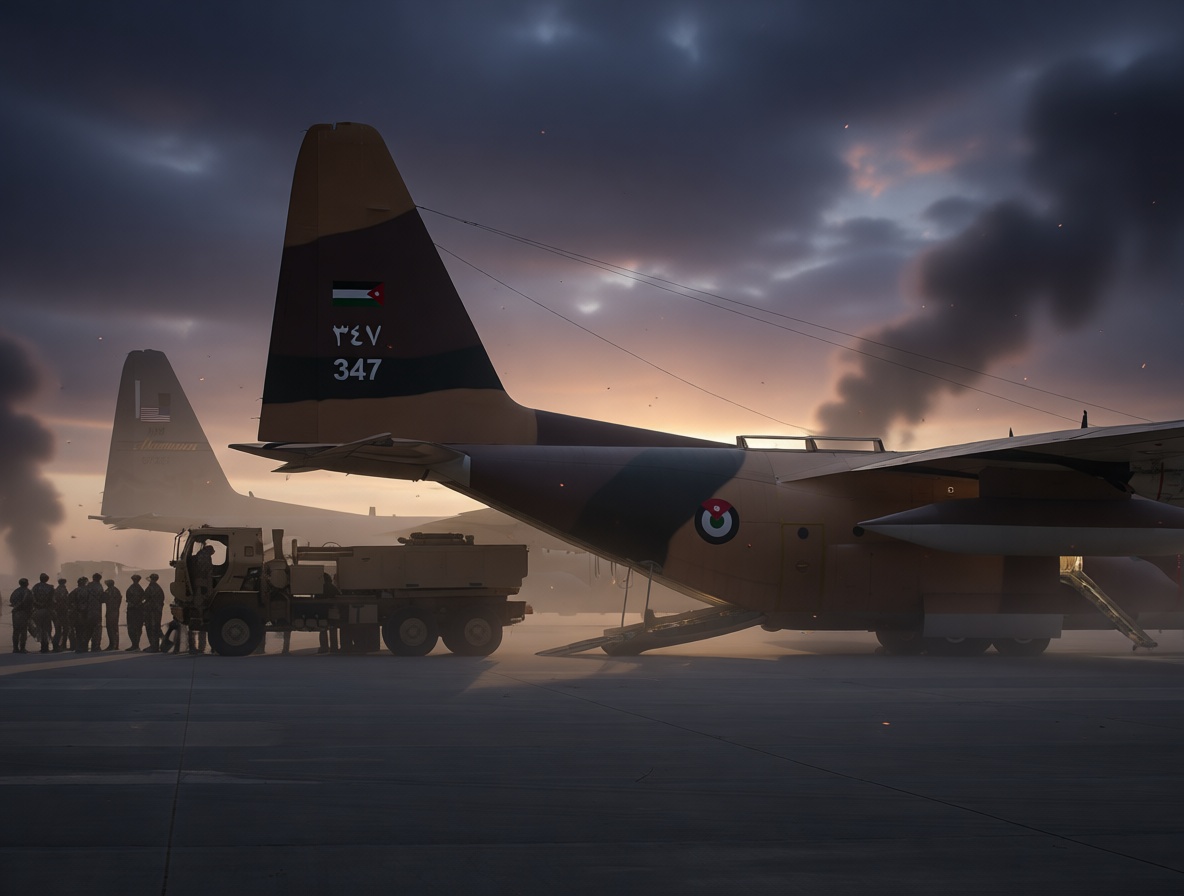
It started with a sudden explosion in the night. Two American soldiers were killed instantly when Iranian missiles hit a US base in Jordan. One more soldier simply vanished, leaving everyone in shock and fear.
This single attack doesn’t just change military plans—it changes lives back home. Families already worried about their loved ones now face a new level of anxiety. And the military is being forced to rethink how it protects its people, possibly pouring billions into new defenses. What happened that night is a wake-up call that hits close to home.
Two Soldiers Gone, One Missing: The Human Toll
When the ballistic missiles and drones struck the base, two lives ended in seconds. Another soldier went missing, leaving a painful hole that nobody can fill. For the troops still on that base, the grief is immediate and raw—they lost brothers and sisters in arms.
This isn’t just a statistic you’d see on the news. It means families are getting phone calls they never wanted. It means commanders are huddling in meetings, trying to figure out how this happened and how to stop it from happening again. The tactical reassessment that follows is about making sure no other mother gets that knock on the door.
For anyone with a loved one deployed, this moment forces you to think: how safe are they really? The fear becomes real when you realize that a base thought to be secure can be hit so hard.
The Anxiety Back Home: What Families Now Face
Every time a phone rings late at night, the heart skips a beat. For families of deployed troops, that constant worry just got worse. After this attack, they’re asking tough questions about base security—questions that don’t have easy answers.
The military is now under pressure to pour billions of dollars into new defenses. That money could mean redirecting funds from other programs to buy countermeasures that can stop both fast missiles and slow drones. For a family, this translates into a promise: we’re doing everything we can to bring your loved one home safe. But that promise comes with a price tag and a long wait.
In everyday life, this means sleep gets harder. It means checking the news more often. It means saying an extra prayer before bed. The emotional cost of this attack isn’t just felt on the base—it ripples through every home with a soldier stationed overseas.
Faster Defenses: A Race To Protect The Troops
The US military is now speeding up plans to install integrated air defense systems that can handle two very different threats at the same time. One is the fast ballistic missile that comes screaming down from the sky. The other is the slow, low-flying drone that can slip under radar. Both are deadly, and both hit that Jordan base.
Right now, troops are vulnerable because these threats need different kinds of protection. A system that stops a missile might miss a drone, and vice versa. Having one system that does both changes everything. It means fewer holes in the shield, fewer sleepless nights for commanders, and more confidence that the base won’t be caught off guard again.
For the soldier on the ground, this is a huge relief—if it comes fast enough. It’s the difference between feeling exposed and feeling covered. For families back home, it’s a sign that their loved ones’ safety is being taken seriously, even if it takes time and money to get there.
Conclusion

This attack left scars that won’t heal quickly. Two soldiers are gone, one is missing, and the sense of security has been shattered. But the push to build better defenses—systems that can stop both missiles and drones at once—offers a sliver of hope.
What this really means is that protecting our troops is a constantly moving target. The threats change, and the military has to adapt just as fast. For anyone who cares about a soldier, this isn’t just a news story—it’s a reminder that the people who serve deserve the best shield we can give them. And we’re finally starting to build it.
What do you think? Does knowing Earth’s “delivery story” change how you feel when you look at the stars?