


 Munzir Hakimi
Table of Contents
Introduction
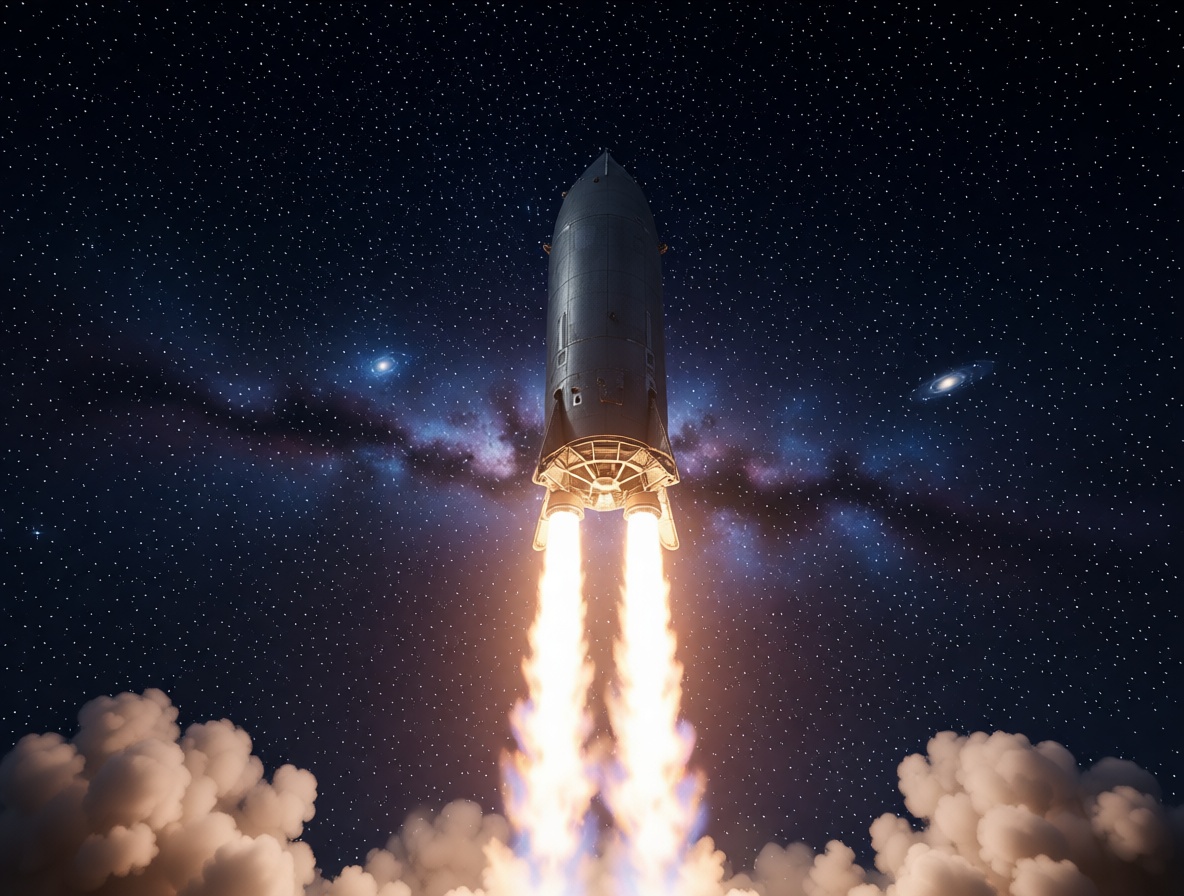
You watch a rocket touch down softly after a test flight, and something clicks. This isn’t just a cool engineering trick—it’s a hint that the way militaries get supplies into space is about to change. Japan’s RV-X reusable rocket just completed its first successful landing, and defense planners are now forced to rethink everything they thought they knew about cost, speed, and availability. For anyone depending on military logistics, this could mean faster responses and more reliable support.
The implications stretch from budget meetings to battlefield decisions. Suddenly, the idea of launching a replacement satellite on demand doesn’t feel like science fiction. It feels like the beginning of a new era for troop supply—one where space becomes a routine, affordable tool rather than a rare luxury.
A Turning Point For Military Space Logistics
Watching Japan’s RV-X rocket plant itself back on the ground after its first flight feels like seeing the future land right in front of you. For years, military space logistics meant throwing away expensive rockets after one use. Now, the same vehicle can fly again, and that changes the math completely.
Why should you care? Because if a rocket can be reused, the military can launch more often without breaking the bank. Troops relying on satellite communications, navigation, or supply drops might see a steady stream of replacements instead of waiting months for the next rare launch window. This single test hints at a world where space isn’t a distant luxury but a routine tool for those in the field.
It’s the kind of quiet moment that shifts entire strategies. For soldiers and logistics teams, the relief is real—they can start counting on space support that feels more like a regular delivery service than a once-in-a-blue-moon event.
Rethinking Launch Costs And Response Speed
Defense planners are now staring at a new spreadsheet. With reusable rockets, the cost per launch drops significantly, and the time between launches shrinks from months to weeks or even days. That forces a hard look at how much money is set aside for space assets and how fast the military can respond to a broken satellite.
For taxpayers, this means their dollars might go further. For troops, it means less downtime waiting for a critical satellite link to be replaced. The emotional shift here is relief—the fear of being cut off from space-based support starts to fade when you know a backup can launch quickly.
Response speed isn’t just a budget line item; it’s a life-or-death factor. If a satellite goes dark during a mission, having a reusable rocket ready to go could be the difference between confusion and coordination. That’s the kind of consequence that makes defense officials rethink every assumption they had about launch timelines.
Planning For On-demand Satellite Replacement
Military forces are beginning to shift their mindset. Instead of treating satellites as precious objects that must last for years, they can plan for on-demand replacement. If a satellite fails or gets taken out, a new one can be built and launched within weeks—not years.
This changes the emotional landscape for commanders. Instead of the anxiety of relying on a single, aging satellite, they can feel confident that a fresh one is always within reach. It’s like having a spare tire in the trunk instead of praying you never get a flat.
For troops on the ground, this means more reliable support. They don’t have to worry about gaps in coverage or waiting months for a replacement. The military can adapt quickly to changing needs, launching exactly what’s required when it’s required. That’s a huge step forward from the old way of doing things.
Conclusion

The idea of on-demand satellite replacement is no longer a distant dream. Japan’s test shows that the technology is real, and military forces will likely start building their strategies around it. For anyone who depends on space-based support—whether a soldier, a pilot, or a logistics officer—this brings a sense of security. You no longer have to cross your fingers and hope your one satellite holds up. Instead, you can plan for a steady supply of replacements, ready when you need them.
This change doesn’t happen overnight, but the direction is clear. The next time you hear about a reusable rocket landing, remember: it’s not just a cool trick. It’s the beginning of a more reliable, more responsive way to keep troops supplied from space. And that’s something worth watching closely.
What do you think? Does knowing Earth’s “delivery story” change how you feel when you look at the stars?