


 Munzir Hakimi
Table of Contents
Introduction
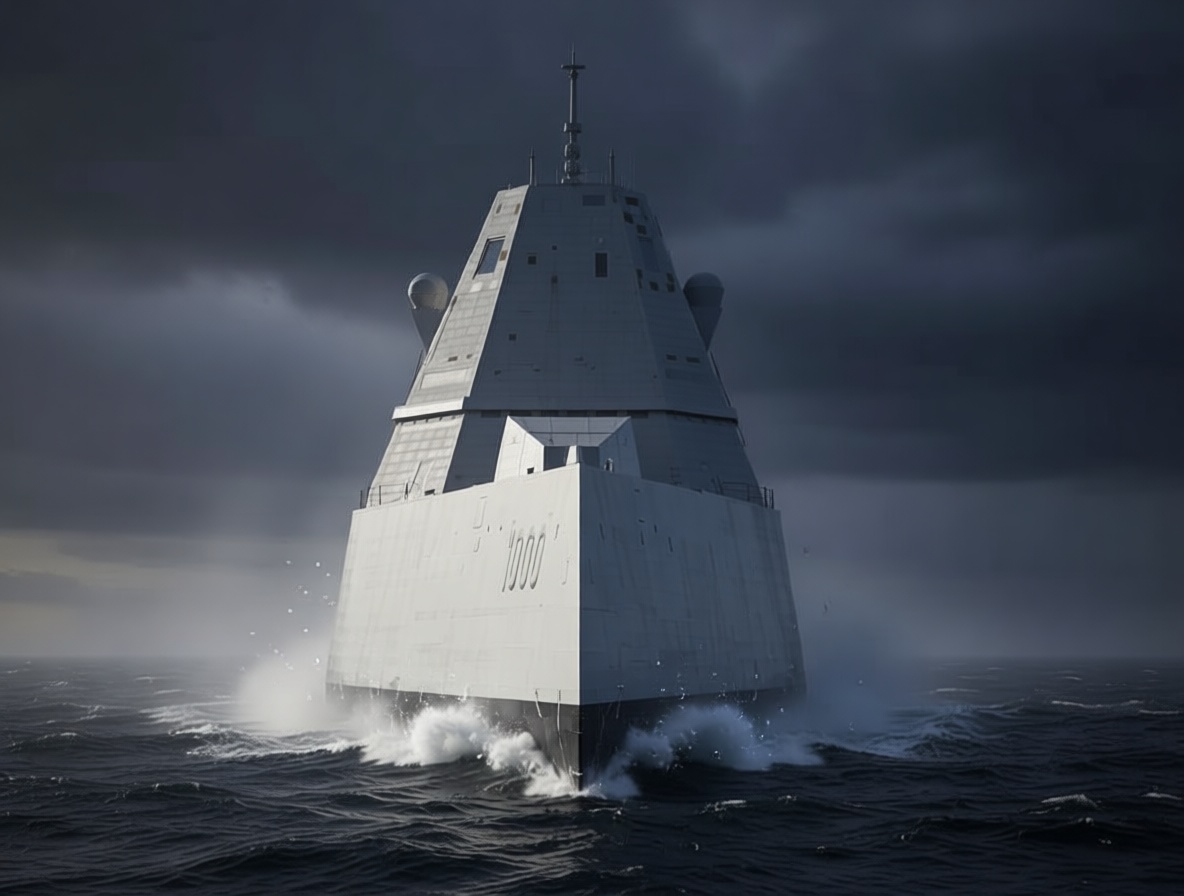
You hear about a two-year delay in putting hypersonic missiles on the Navy’s biggest destroyers, and it’s easy to shrug it off as just another government timeline slip. But when you stop and think about what that means for the people who rely on the Navy to protect them, the stakes get real. This delay isn’t just a scheduling problem—it creates a worrying capability gap, forces more spending from your wallet, and pushes military planners to scramble for backup plans.
In the end, it’s not about the missiles themselves. It’s about whether the Navy can stay ahead of threats, and what happens when it can’t. Your sense of security hangs in the balance, and the choices made now will echo for years.
When Delays Spark Genuine Worry
Imagine you’re a defense analyst watching the Navy announce that the hypersonic missiles planned for the Zumwalt destroyers won’t be ready for another two years. That moment hits with a mix of frustration and unease. You can’t help but wonder what we’ll miss out on during that time.
A capability gap means the Navy doesn’t have the advanced tools it hoped to have, and that gap isn’t just a footnote in a report—it’s a real vulnerability. If an adversary has similar technology sooner, the balance shifts. For the average person, that translates into a weaker shield between you and potential threats.
The everyday takeaway? When promised upgrades slip, it’s not just a bureaucratic hiccup—it’s a crack in the armor we rely on. You might not feel it today, but the consequences of that gap could ripple through national security decisions that affect your family’s safety.
Your Tax Dollars And The Extended Wait
Now think about the money. Delays usually mean more testing, more troubleshooting, and more time before the system works as advertised. That doesn’t come free. Your tax dollars are going to cover the extra costs of stretching out development and running additional tests.
The frustrating part is that you’re paying for a capability you still can’t use. The hypersonic missiles remain out of reach for the fleet, so the money spent now doesn’t buy any immediate protection. It feels like paying for a home renovation that keeps getting postponed—you see the bill but not the upgrade.
For the average citizen, this means less bang for the buck at a time when budgets are tight. Every extra dollar spent on extended testing is a dollar that could have gone to other pressing needs, like better equipment for sailors or more training. That’s a trade-off that hits home when you consider where your money goes.
Backup Plans And Old Reliables
When the hypersonic timeline slips, military planners don’t just sit around—they shift gears. They’ll lean harder on existing cruise missiles and other systems that are already in the fleet. It’s a pragmatic move, but it’s also a step backward in capability.
Relying on older missiles means the Navy is using weapons that adversaries may have already learned to counter. The cutting-edge advantage hypersonics promised—speed and maneuverability that can overwhelm defenses—isn’t there yet. So the fleet has to make do with what’s on hand, even if it’s less effective.
For you, this creates a quiet concern: the military’s readiness is being stretched. While planners juggle timelines, the margin for error gets thinner. If a crisis hit during this gap, the go-to tools would be older and more predictable—raising the stakes for everyone who depends on the Navy’s strength.
Conclusion

Walking away from this, you might feel a bit more aware of how a simple delay can ripple through something as huge as national security. The military is doing what any organization does when plans shift—it adapts with the tools it already has. But that reliance on older systems is a temporary fix with its own costs, and it reminds us that readiness is a constant, fragile balancing act.
The real takeaway for you is simple: every delay in technology, whether for the Navy or in your own life, forces trade-offs. Understanding those trade-offs helps you see the bigger picture—and maybe appreciate why the choices made now matter more than you’d think.
What do you think? Does knowing Earth’s “delivery story” change how you feel when you look at the stars?