


 Munzir Hakimi
Table of Contents
Introduction
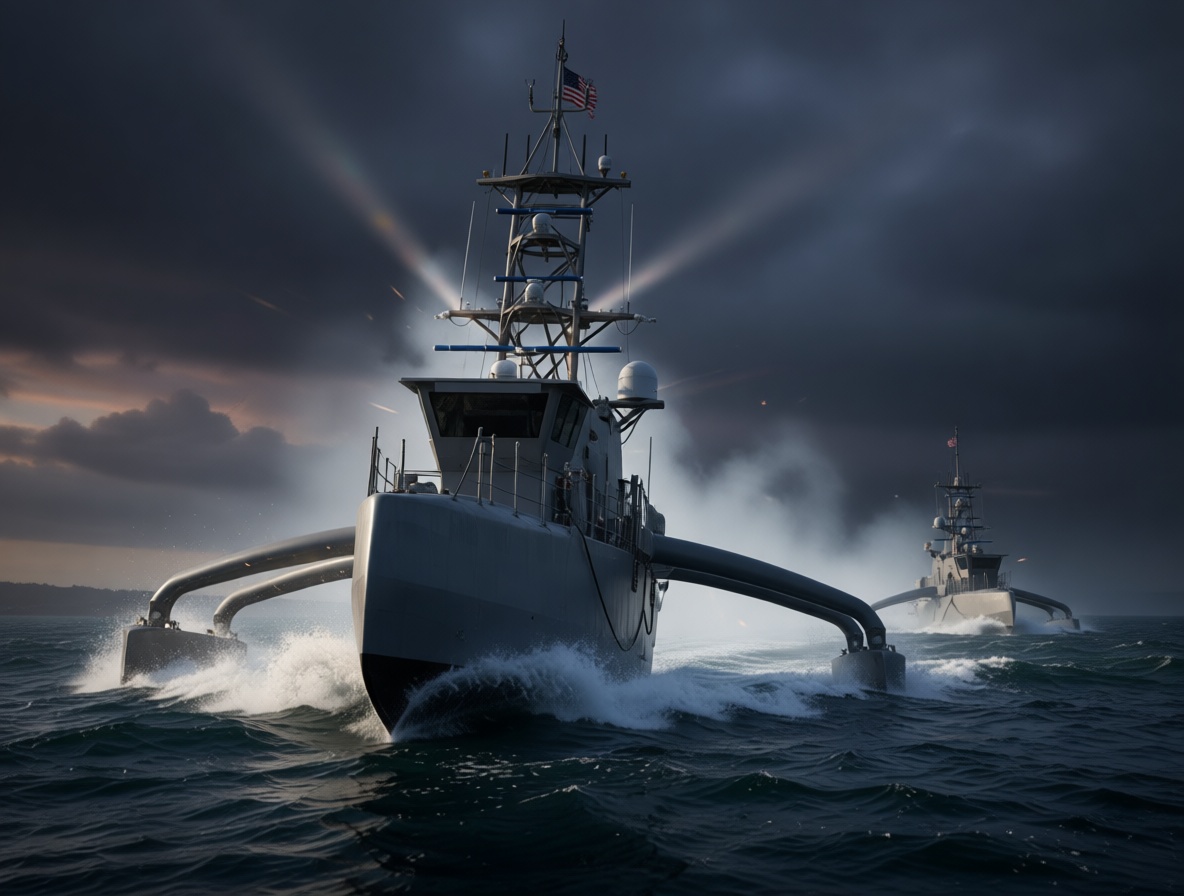
You’d think the Navy picking a contractor for a new high‑tech drone ship would be a straightforward process. Instead, two defense companies just sued the U.S. Navy, claiming they were unfairly locked out of the Medium Unmanned Surface Vessel program. That legal fight isn’t just about hurt feelings—it puts the whole military procurement system under a microscope.
When a contract award gets challenged in court, your tax dollars start twisting in the wind. Delays pile up, and the promise of faster, cheaper unmanned vessels slips further away. Beyond this one case, the lawsuit hints at a bigger shift: companies may now treat lawsuits as a standard move in bidding wars. That could change how the Navy buys everything—and how much it costs you.
Two Tech Firms Take The Navy To Court
Imagine spending months perfecting a proposal, only to watch your competitor walk away with the deal—and you suspect the rules were bent. That’s exactly what two defense technology companies are feeling right now. They’ve filed a lawsuit against the U.S. Navy, alleging their exclusion from the Medium Unmanned Surface Vessel program was unfair.
For the average person, this might sound like sour grapes between big corporations. But here’s the thing: when companies believe the playing field is tilted, they lose trust in the whole bidding system. That means fewer innovative firms might bother competing for future Navy projects. The result? Less competition, higher prices, and technology that doesn’t push boundaries.
You don’t have to be a defense insider to care about this. Every time a promising company gets sidelined, the advanced drones and ships that could protect soldiers and save money get stuck in legal limbo. It’s a reminder that fairness in government contracts isn’t just a business concern—it hits your wallet and your safety.
A Lawsuit That Could Slow Everything Down
Lawsuits don’t just create headlines—they create delays. With two companies now fighting the Navy in court, the entire Medium Unmanned Surface Vessel program could grind to a halt. Every month of legal wrangling pushes back the delivery of unmanned boats that are supposed to patrol seas and keep sailors out of danger.
Think about where the money comes from. These contracts are funded by taxpayer dollars, and any delay means your money isn’t doing what it was meant to do. Instead of building ships, it’s paying lawyers and sitting in bureaucratic limbo. The Navy’s plans to modernize its fleet suddenly look less certain, and that uncertainty has real costs.
For anyone who pays taxes, this lawsuit hits a nerve. You want your government to spend efficiently, not waste time in courtrooms. If the procurement process gets stuck every time a company feels slighted, the whole military supply chain slows down—and that affects how quickly new technologies reach the hands of the people who need them most.
Legal Battles Become The New Normal In Defense Bidding
After this lawsuit, defense companies are watching carefully—and some are already changing their playbooks. Filing a legal challenge after losing a Navy contract is starting to look like standard practice, not a last resort. That shifts the whole mood of bidding: instead of focusing on the best tech, firms may spend energy preparing for court.
For a small company with a great idea, this is terrifying. If you know that every lost contract could end up in a lawsuit, you either hire a legal team or step back from the race. Neither option helps innovation. The emotional weight here is frustration—the feeling that winning a bid depends as much on legal strategy as on building a better drone.
The bigger consequence hits every American. When bidding becomes a lawsuit‑heavy game, the Navy loses agility and pays more for legal fees. You lose the chance for cheaper, faster, smarter vessels. The real question is whether this court fight will be a one‑off or the start of a new, slower, more expensive way of doing business.
Conclusion

This legal fight isn’t just a spat between companies and the Navy—it’s a signal that the rules of the game are changing. Defense contractors now see lawsuits as a tool they can reach for anytime they feel wronged. That shift matters, because it adds cost, delay, and doubt to every future contract.
What can you take away from this? The next time you hear about a new Navy drone or ship, remember that behind the scenes, legal battles might be shaping what gets built—and what never makes it to sea. As a taxpayer, you have a stake in keeping procurement fair and fast. This story is a reminder that even the most advanced technology can get tangled in paper and courtroom procedures.
What do you think? Does knowing Earth’s “delivery story” change how you feel when you look at the stars?