


 Munzir Hakimi
Table of Contents
Introduction
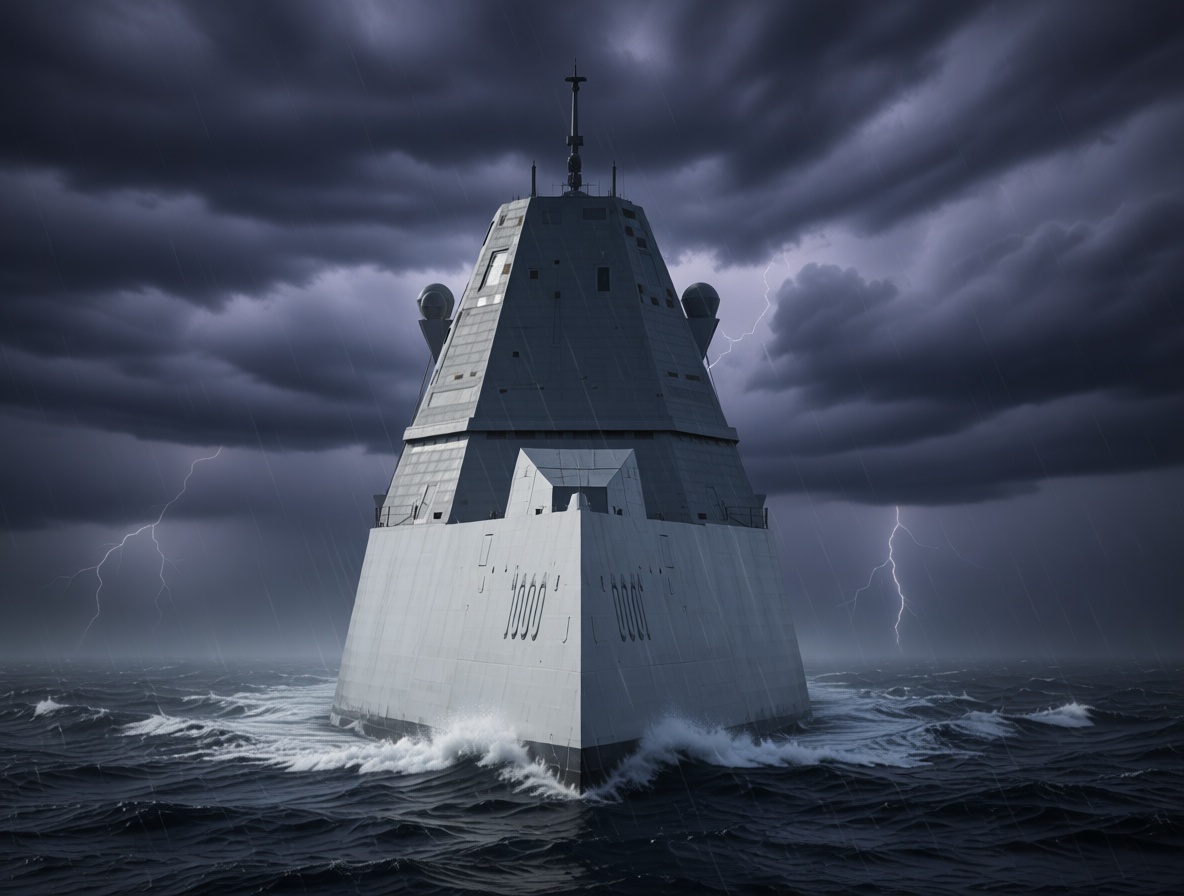
Imagine being a sailor on one of the Navy’s most advanced destroyers, waiting for cutting‑edge weapons that never seem to arrive. That’s the reality for the crews of the Zumwalt class, where the hypersonic missile plan is now two years behind schedule. This delay doesn’t just frustrate sailors – it wastes your tax dollars and forces the Navy to make tough choices about older ships and backup programs. Something has to give, and the ripple effects could touch everything from fleet safety to future military investments.
Sailors Left Wondering: When Will Our Ships Get Upgraded?
For the men and women serving on Zumwalt destroyers, the wait for hypersonic missiles feels endless. The program is two years behind schedule, and no one can say exactly when the upgrade will finally arrive. That leaves crews stuck with current weapons while potential threats keep evolving.
When your ship was built to be the Navy’s most advanced, the uncertainty is deeply frustrating. Every month without those missiles means the vessel isn’t as powerful as it should be. Sailors train hard for the best equipment, but they’re left wondering if their ship will ever get it.
Morale takes a real hit when promised upgrades keep slipping. These sailors deserve to know their ship is ready for anything – and right now, that confidence just isn’t there.
Expensive Delays That Tie Up Taxpayer Dollars
The hypersonic delay isn’t just a Navy problem – it’s a money problem that hits every American. Billions of taxpayer dollars have already gone into the Zumwalt program, and that money is sitting idle without producing new capabilities. The ships are in port, but the weapons they were designed for aren’t coming anytime soon.
This ties up funds that could have been used for other critical projects. The Navy has to balance its budget, and every dollar stuck in a delayed program is a dollar not spent somewhere else – like new submarines, aircraft, or better training. That affects the entire fleet’s readiness.
For taxpayers, it’s a frustrating situation. You expect your money to be used wisely, but this delay means less bang for your buck. Future investments in Navy technology may be cut or postponed because cash is trapped in this stalled effort. It’s a ripple effect that hits both your wallet and national security.
Older Ships Kept In Service To Fill The Gap
With hypersonic weapons delayed, the Navy needs a fallback plan. One option is to extend the service life of older ships that were supposed to retire. That means aging vessels will have to keep sailing – and keep protecting the fleet – longer than planned.
Another path is to accelerate other weapons programs to fill the gap. That could mean rushing new missiles or technology that wasn’t ready yet, which brings its own risks. The Navy is forced to choose between two uncomfortable options, neither ideal.
For the sailors on those older ships, it means more time on familiar but outdated platforms. Their vessels may not have the latest tech, but they’ll be called on to do the job anyway. It’s a stopgap measure that keeps the fleet operational but also increases strain on equipment and crews who already work hard.
Conclusion

The Navy’s hypersonic delay forces hard choices that affect real people. Extending the life of older ships or rushing other programs means the fleet will adapt, but not without cost. Sailors on those older vessels will carry more responsibility, and the entire Navy has to work with what it has.
What this means for you is simple: when the military stretches resources, your safety and tax dollars hang in the balance. The gap left by delayed weapons won’t just disappear – it will be filled somehow, and that fill creates new vulnerabilities and challenges. Staying informed about these choices helps us understand the real trade‑offs behind a two‑year delay.
What do you think? Does knowing Earth’s “delivery story” change how you feel when you look at the stars?


