


 Munzir Hakimi
Table of Contents
Introduction
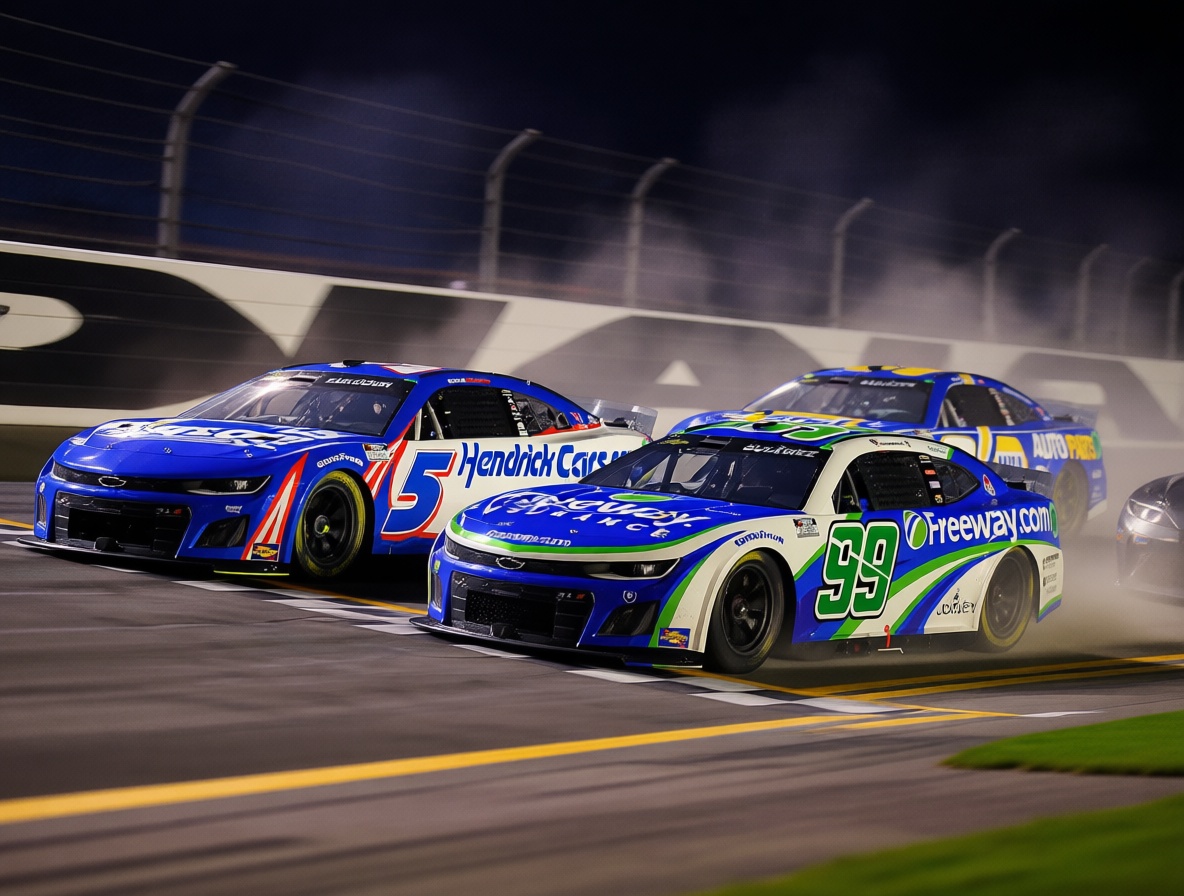
Imagine watching cars roar around Daytona at 200 miles per hour. Now picture that same race with less horsepower under the hood. You might think that means slower, boring racing—but the truth is the opposite.
This change shakes up everything for drivers, teams, and fans. Drivers have to fight a car that struggles to accelerate. Teams have to rethink their entire strategy. And you, the fan, might get more lead changes and pack racing than ever before. It’s a trade‑off that could make Daytona unpredictable in the best way.
When Drivers Feel The Struggle Out Of Corners
At 465 horsepower, a driver’s first instinct is to punch the gas coming out of a turn. But now the car hesitates. It feels sluggish, like it can’t find the grip to pull away. That split‑second of lag changes everything.
Instead of relying on raw power, drivers have to finesse the throttle. They must read the car’s hesitation and work with it. This rewards patience and craft over brute force—the best racers will be those who can feel the struggle and adapt.
For fans, this means watching a different kind of skill. Every pass becomes a battle of nerve. You’ll see drivers earn every inch of track position, and that tension makes the racing far more gripping.
How Less Power Changes Pit Strategy And Team Spending
Lower horsepower means the engine doesn’t have to work as hard. That shifts a team’s focus from chasing every extra ponie to thinking about fuel mileage and pit timing. Smaller teams suddenly have a real shot at competing with the big budgets.
Pit strategy becomes the new battlefield. A car that can stretch its fuel an extra lap or two might leap ahead while rivals have to pit. Every call from the pit box becomes a high‑stakes gamble that can decide the race.
And because engines last longer under less stress, teams save money on development. That cash can go into better handling or smarter race tactics. Underdogs now have a path to victory—and that makes every team dangerous.
Fans Get More Lead Changes And Wild Finishes
Here’s the payoff you’ll see on race day: cars bunch up. Without the punch to gap the field, they stay glued together in a pack. That leads to constant shuffling and lead changes—sometimes several per lap.
Pack racing takes over. Cars slide and draft, trading positions every few seconds. Every lap could bring a new leader or a wreck that reshuffles the entire field. Nothing is certain.
For fans, this is pure adrenaline. You can’t look away because anything can happen. The finish line becomes a lottery of skill, timing, and luck. That unpredictability is what makes Daytona unforgettable.
Conclusion

At first glance, less horsepower sounds like a step backward. But at Daytona, it’s creating exactly what fans crave: uncertainty and drama. The struggle out of corners makes every pass a victory and every finish a surprise.
Next time you watch a Daytona race, pay attention to how drivers fight for momentum. Watch how the pack ebbs and flows. That struggle is what makes racing unforgettable—and why less power might just give us the best racing yet.
What do you think? Does knowing Earth’s “delivery story” change how you feel when you look at the stars?