


 Munzir Hakimi
Table of Contents
Introduction
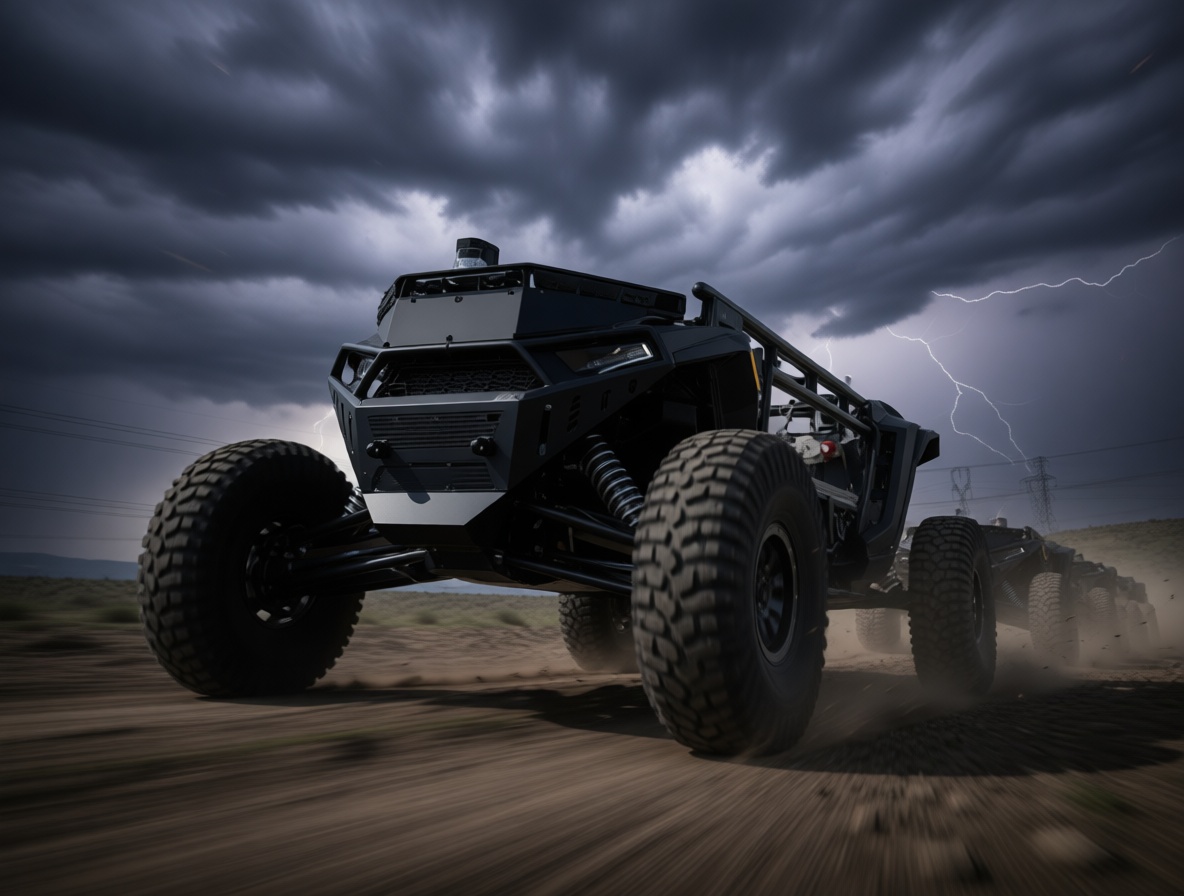
The US Marine Corps just signed a $20 million contract for autonomous ground vehicles. That might sound like a distant military tech story, but it actually hits close to home for anyone who cares about how taxpayer dollars are spent, how soldiers are protected, and how jobs might shift in the future. For logistics officers, it means rewriting how convoys operate. For taxpayers, it raises hard questions about priorities. And for defense contractors, it’s a race to build smarter machines.
This isn’t just about robots driving trucks. It’s about what we value as a society – safety versus cost, progress versus tradition. The decisions made here will ripple into everyday life, from the safety of our troops to the kind of work we expect machines to do.
Rewriting The Playbook For Unmanned Convoys
Imagine being a logistics officer who’s spent years planning supply routes. Suddenly, a $20 million contract lands, and everything you know about keeping convoys safe is about to change. That’s the reality right now as Marine Corps planners tear up old procedures to make room for driverless trucks. These aren’t just any vehicles – they’re autonomous systems designed to carry supplies without a human behind the wheel. For the officers, this means rewriting every step, from loading cargo to responding to emergencies. The real payoff? Fewer dangerous supply runs through enemy territory, which means less exposure to ambushes and IEDs.
But the shift also forces officers to trust machines with lives they used to entrust to people. That heavy weight shows up in new manuals and training sessions. Officers who once studied convoy tactics now learn sensor reliability and software updates. For the average Marine, this could mean a safer job, but it also means learning to work alongside machines instead of only alongside buddies. When the first unmanned convoy rolls out, everyone will be watching to see if the new system holds up.
The $20 Million Question: Safety Versus Jobs
When you hear that the military is spending $20 million on robots, it’s natural to wonder: ‘What about schools? What about roads? And what about the people whose jobs might disappear?’ That’s exactly the conversation happening around kitchen tables as taxpayers grapple with the trade-offs. The Marines say these vehicles will save lives, but skeptics point out that every robot on the battlefield could mean one fewer human driver. That raises deep fears about automation eating up jobs even in the military. For a family with a service member, this is personal – it’s about whether their loved one’s role will still exist in ten years.
But the $20 million isn’t just disappearing – it’s an investment in technology that could spin off into civilian life, like self-driving trucks for delivery companies. That means taxpayers might see a return beyond military use, like lower costs or new industries. Yet the immediate emotional sting is real. People want to know if their hard-earned money protects troops or just lines the pockets of contractors. The answer isn’t simple, but the question forces a public conversation about what we value most.
From Armor To Algorithms: The Contractor Shift
For decades, defense contractors focused on making vehicles tougher – thicker armor, better guns. Now, a $20 million contract has flipped that priority on its head. Imagine being an engineer who spent years designing reinforced hulls. Suddenly, your boss tells you to forget about steel and focus on code. The race is on to build autonomous ground systems that can navigate without a human hand. That means companies are competing to write the smartest AI, not just build the strongest vehicle. Winners get lucrative contracts; losers scramble to catch up.
For the average person, this competition speeds up innovation. The same AI that guides a supply truck through a warzone could one day help your car avoid a deer on a country road. But it also means that traditional manufacturing jobs might fade as companies hire more software engineers and data scientists. The contractors are betting that smarter machines are worth more than heavier armor. If you’re a young person thinking about a career, this trend suggests that skills in AI and robotics will be in high demand – even in fields you’d never expect, like defense.
Conclusion

All this competition and technology boils down to one simple truth: the tools of war are changing faster than ever. For the Marine on the ground, that could mean safer missions. For the engineer in a lab, it’s a new kind of challenge. And for the rest of us, it’s a reminder that the machines we build are only as good as the values we program into them. The $20 million contract isn’t just about robots; it’s about trust, progress, and the choices we make about what kind of future we want.
As you go about your day, think about how automation is quietly creeping into every corner of life – not just in the military. The decisions made in boardrooms and military bases today will shape the world your kids grow up in. Pay attention, because the future is being written right now, and we all have a stake in it.
What do you think? Does knowing Earth’s “delivery story” change how you feel when you look at the stars?


