


 Munzir Hakimi
Table of Contents
Introduction
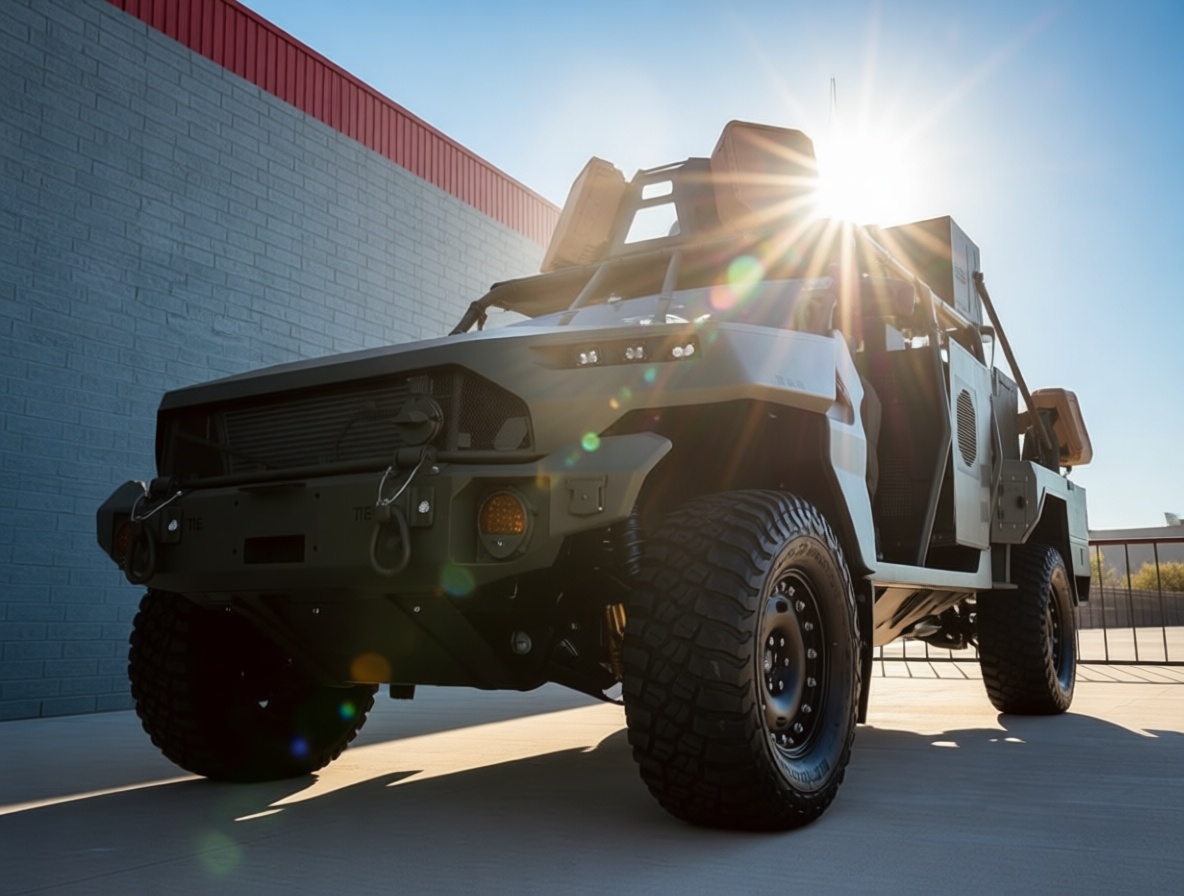
Imagine watching a laser beam fire from a truck and zap a target miles away. In that split second, you feel safer than ever, but a nagging question creeps in: what does it take to make that happen?
This isn’t just a sci‑fi daydream anymore. It’s a real technology that changes how soldiers feel in battle, how armies spend their money, and even how they move supplies around. Your safety and their choices are about to look very different.
The Moment Safety And Unease Collide
Picture this: you’re a soldier on the ground, and you see a laser beam streak from a truck behind you. The distant threat vanishes in an instant, and a wave of relief washes over you. You know that truck just saved lives—maybe yours.
But then you notice the size of the truck. That beam needed a massive amount of power to work, and you can’t help but wonder how much fuel or energy it gulps down. You feel safer, yet heavy with doubt about what that power really costs.
For the soldier, this isn’t just a cool gadget. It means trusting a machine that demands huge resources every time it fires. That trust comes with a quiet, personal worry: will this thing still work when it matters most?
The Price Tag Behind The Beam
Now think about the people who pay for all this. Laser trucks don’t use bullets—they use energy, and that energy doesn’t come cheap. Military budgets are feeling the squeeze, because every laser shot needs an expensive power source and constant maintenance.
Soldiers on the ground may never see the spreadsheets, but they feel the consequences. If a laser truck breaks down, there’s no backup ammo to grab. Your safety now depends on generators and repair crews instead of a simple ammo crate.
This shift forces tough choices. Do you spend money on more laser trucks or on the fuel to keep them running? The answer changes what soldiers carry, where they go, and how they train. It’s a budget war that hits home for every person in uniform.
From Bullet Stockpiles To Power Plants
Armies have always stacked bullets by the millions. But laser trucks change that. Instead of warehouses full of ammo, the new priority is building mobile power plants that can go anywhere. That’s a huge shift in how troops think about supplies.
For a soldier, this means the supply line no longer ends with a box of cartridges. It ends with a generator that needs fuel, parts, and technicians. Your deployment strategy now revolves around power, not bullets. You move where the electricity can follow.
This changes everything about daily life on the ground. Soldiers may need to learn basic power management, and officers have to plan routes around charging stations. The old rhythm of war is giving way to a new one—one that hums with the sound of turbines instead of gunfire.
Conclusion

So what does all this mean for the soldier in the next war? It means your world is being rebuilt around energy. The safety a laser truck brings comes with a new kind of weight—the weight of knowing that your survival depends on power plants and logistics.
The next time you think about war, picture a soldier who is just as worried about a dead generator as an enemy ambush. That’s the quiet shift happening right now. Your understanding of modern conflict has to catch up with a battlefield that runs on electricity, not just ammunition.
What do you think? Does knowing Earth’s “delivery story” change how you feel when you look at the stars?


