


 Munzir Hakimi
Table of Contents
Introduction
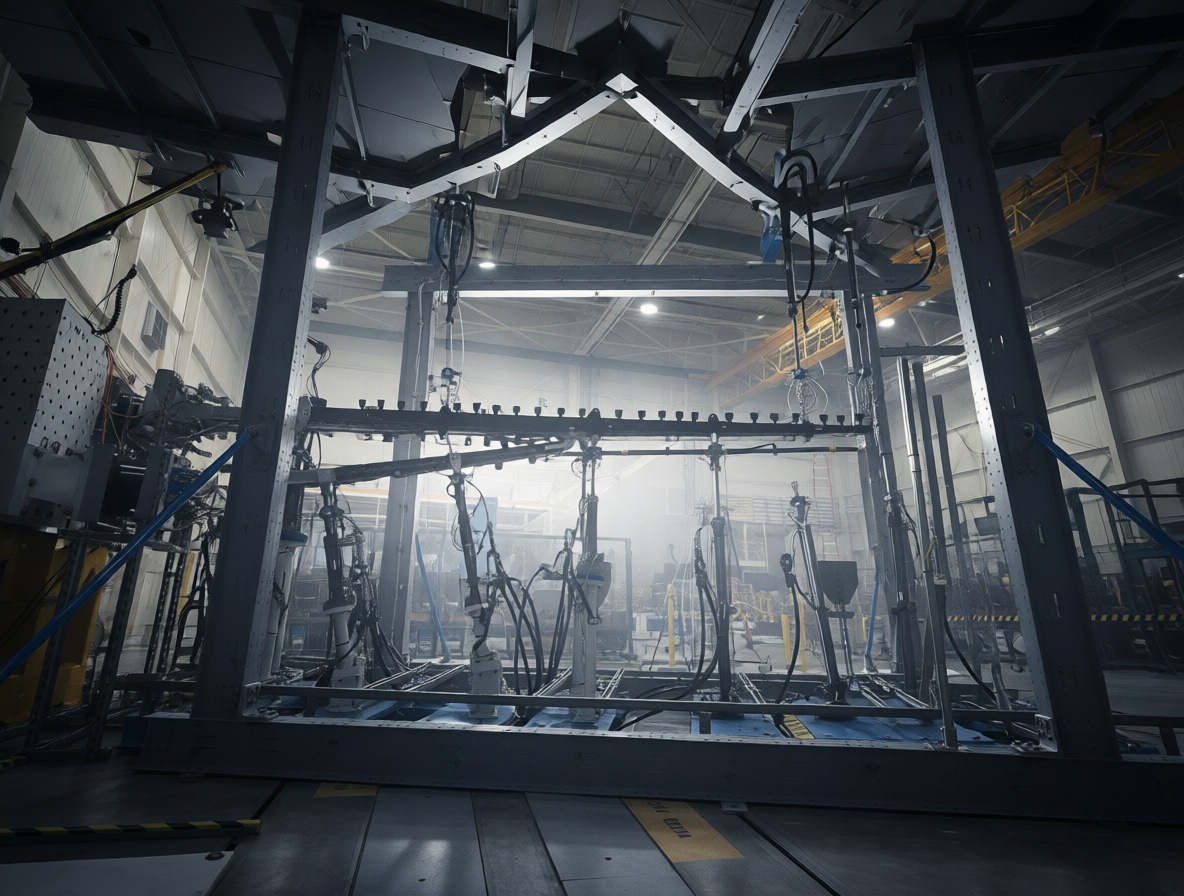
Imagine a wing that bends further than it should, and instead of breaking, it gives engineers a new reason to hope. That’s exactly what happened with a recent NASA test, and it could change how we all fly. That moment of flexibility might actually save you money and make air travel less stressful for millions of families.
Over the next few years, those bending wings could lead to lighter planes that use less fuel. That means quieter flights and lower ticket prices might finally become a reality. The story starts with a single stress test, but it ends with something that affects your next vacation or trip to see loved ones.
The Wing That Refused To Snap
During a NASA stress test, a prototype called the SWEET-15 wing was pushed past its designed limits. Instead of snapping like a dry branch, it kept flexing and bending — a sight that filled engineers with fresh hope. For people like you and me, this isn’t just a technical win; it’s a sign that lighter designs can be trusted.
Think of it like a diving board that bends under your weight but always springs back. That extra give means less material is needed, which makes the whole plane lighter. When a plane weighs less, it naturally burns less fuel, and that’s where your wallet starts to feel the difference.
So why should you care about a wing that didn’t break? Because it proves we can build safer, lighter planes without sacrificing strength. That one test result opens the door to real changes in how airlines design their fleets.
A Break For Your Wallet
Lighter wings lead to lighter planes, and lighter planes use way less fuel. That fuel savings is the kind of thing that could actually lower the price of your ticket. For families saving up for a summer trip or a visit to grandma, every dollar counts.
Right now, a big chunk of what you pay for a flight goes straight into the fuel tank. If airlines can cut that cost, they don’t have to charge you as much. It’s that simple: more efficient planes mean more affordable seats.
This isn’t just about business travel or rich vacationers — it’s about making air travel possible for everyday families who have to think twice before booking. A lighter wing could be the reason your next holiday actually fits your budget.
What Your Next Flight Might Feel Like
If the tests keep going well, we could see these truss-braced wings on passenger planes within the next ten years. That means quieter, smoother flights that use less fuel — not just for a few airlines, but for the whole industry. Imagine boarding a plane that feels more like a comfortable ride than a roaring engine.
Airlines are likely to adopt this design because it saves them money on fuel, and that saving trickles down to you. But there’s another benefit: the engines can run more efficiently, so the cabin gets quieter. You might actually be able to have a conversation without shouting.
This is a future where flying stops feeling like a noisy, expensive chore and starts feeling like a normal, affordable part of life. All it takes is one smart design change, and it’s already on its way.
Conclusion

A decade from now, you might board a plane and notice it’s just a little bit quieter, a little bit cheaper, and a whole lot smoother. That’s the promise of the truss-braced wing — a small change with big impact on your daily life. It started with a wing that bent instead of broke, and it ends with you spending less time worrying about the cost of a ticket.
So the next time you hear about a NASA test or a new airplane design, remember that it’s not just about engineers and numbers. It’s about the moments you’ll get to share — because flying becomes something you can actually afford and enjoy.
What do you think? Does knowing Earth’s “delivery story” change how you feel when you look at the stars?