


 Munzir Hakimi
Table of Contents
Introduction
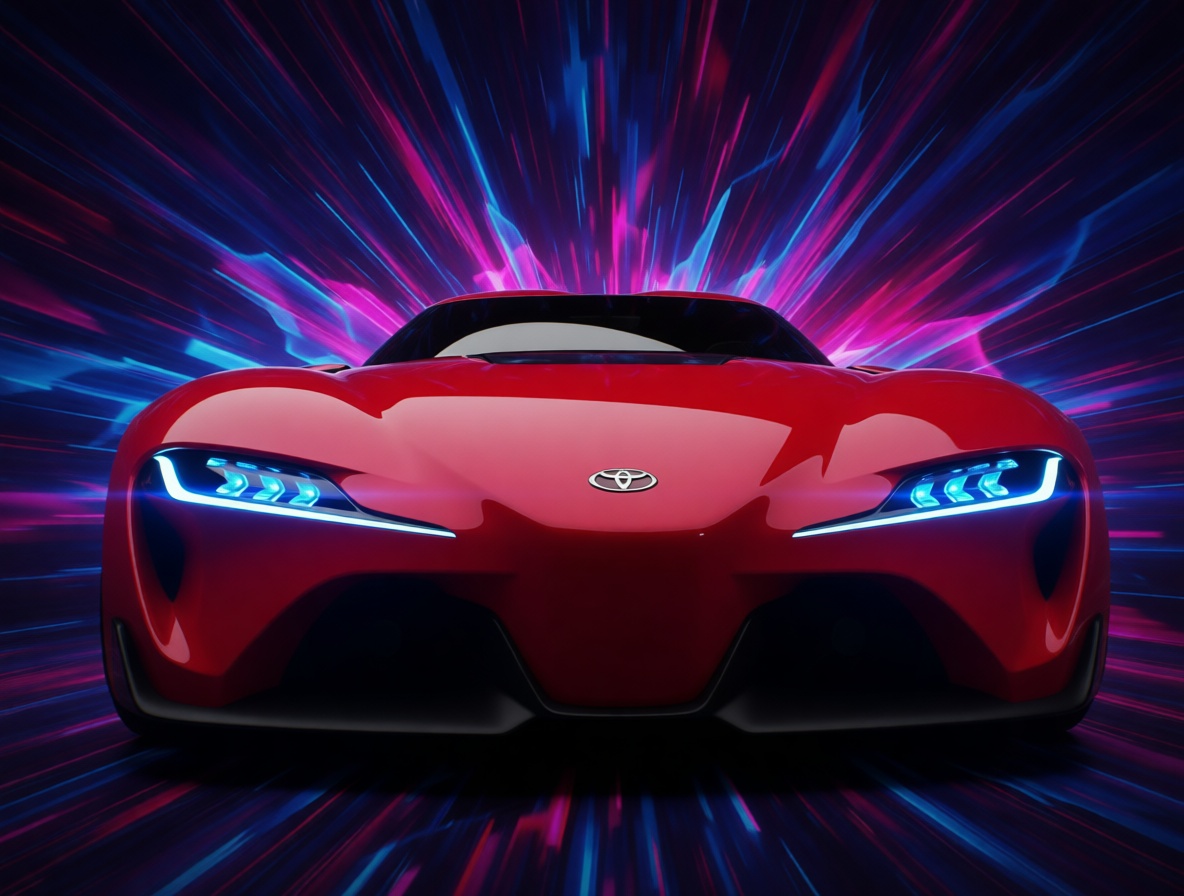
Think back to the last time you saw a concept car at an auto show. That feeling—pure wonder, a jolt of want so deep it changed how you saw the future—is becoming rare. The electric vehicle era is quietly rewriting what a concept car even means.
The old magic came from wild designs that made you dream. Now budgets are tighter, timelines are shorter, and automakers are pouring resources into software instead of flashy sheet metal. That shift doesn’t just change car company strategies—it changes what you get to feel excited about. And that matters more than you might think.
The Moment That Ignites Everything
When a concept car rolls onto a stage, something clicks in an enthusiast’s chest. It’s not just a car—it’s a promise of what driving could be. That instant of awe radicalizes your passion, making you obsess over every curve and light. You start planning how to afford it, or at least how to see it in person again.
That feeling matters because it gives car culture its heartbeat. You share photos, argue with friends, and let that concept shape your taste for years. Your identity as a car lover is forged in those few minutes of pure, unfiltered desire. Without that spark, the whole experience of being an enthusiast loses some of its fire.
Imagine walking into a show and not feeling that rush. That’s the quiet loss happening now, and it changes how deeply you connect with the machines you used to dream about.
The Squeeze On Resources Changes Everything
Building a concept car used to be a chance for designers to go all out, no budget too big. But the shift to electrification and self-driving tech has flipped that. Now automakers have to choose between a flashy showpiece and funding real electric powertrains. That pressure changes how projects get approved.
For you, the enthusiast, this means fewer of those wild, unattainable concepts. Instead, you get more practical prototypes that test batteries or autonomous systems. The consequence is a show floor that feels less like a fantasy world and more like a glimpse into next year’s catalog. It’s harder to fall in love with a car that’s designed to be forgotten.
When automakers tighten concept budgets, they also shorten timelines. That rush kills the craft that made old concepts feel like art. You end up with less to dream about, and that stings if you’re someone who lives for the next big reveal.
Software Becomes The New Star
Instead of radical body lines and scissor doors, today’s concept cars often wow you with a giant screen or a new way to interact with the cabin. Automakers now focus on software and user experience over jaw-dropping styling. The wow factor shifts from what the car looks like to what it does.
That change forces you to rethink what innovation means. You used to judge a concept by its shape—now you have to pay attention to the interface, the ease of use, the intelligence behind the glass. It’s a different kind of magic, one that doesn’t photograph as well on social media but could matter more in your daily drive.
The emotional hook here is curiosity, not awe. Will this software make your commute less stressful? That’s the new promise. Your relationship with the car becomes less about admiring it from afar and more about living with it. That might feel less romantic, but it’s where the excitement is moving.
Conclusion

The era of radical concept cars that grab you by the gut is fading. In its place comes a quieter kind of innovation—one that lives inside the cabin, in the software, and in the experience of using the car. That shift asks you to look for beauty in how a car thinks, not just how it looks.
It’s okay to miss the old magic. But next time you see a concept, take a moment to explore its screens and its logic. The dream hasn’t died—it just moved to a place you weren’t expecting. And that might be the most interesting part of the whole ride.
What do you think? Does knowing Earth’s “delivery story” change how you feel when you look at the stars?


