
 Munzir Hakimi
Table of Contents
Introduction
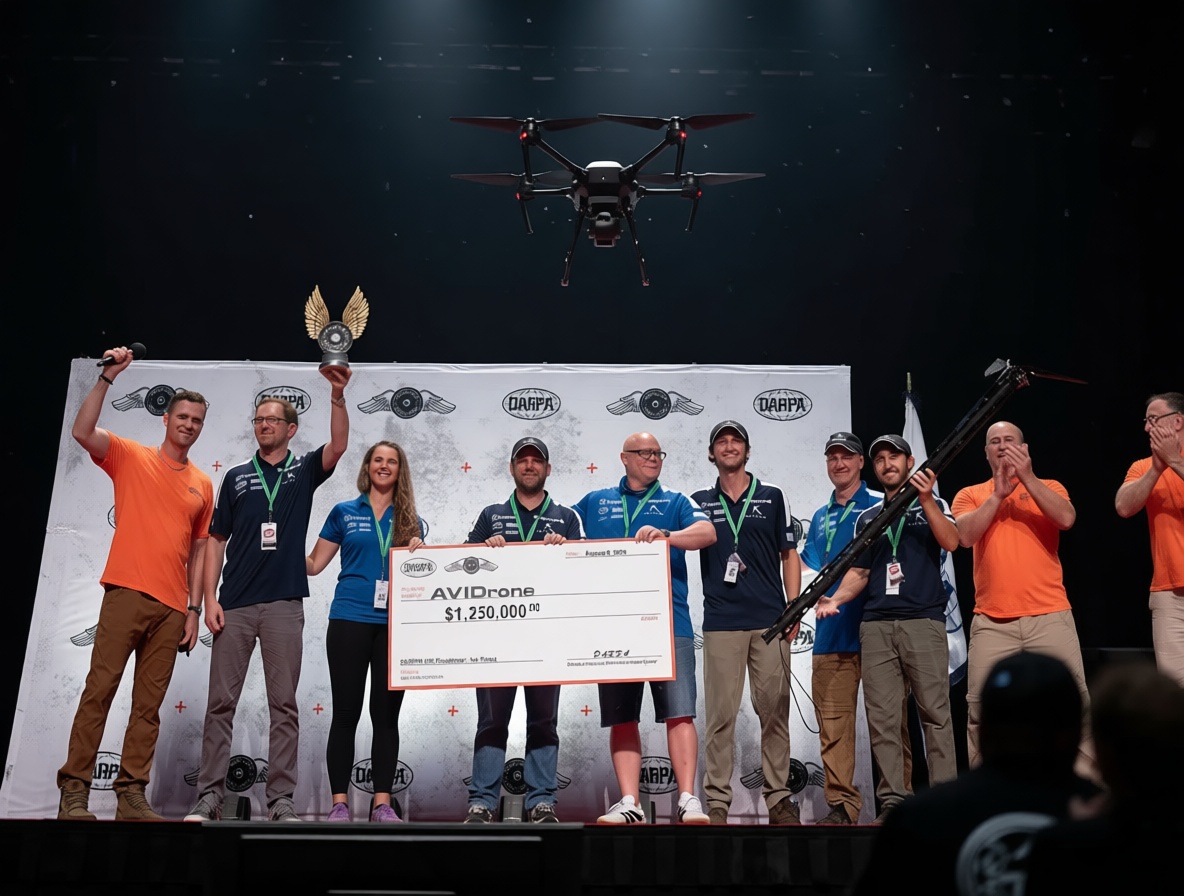
Picture a room full of people watching a drone. The machine lifts something heavy, and the air gets tight enough that everyone leans in, because that changes what feels possible. It’s not just a gadget working; it’s proof that old limits can move.
Now imagine that same strength on a battlefield. Soldiers might make fewer dangerous resupply runs, save fuel and time, and planners could rebuild supply routes around these drones, which means fewer risks, more breathing room, and a new sense of trust in the machines doing the heavy lifting.
The Room Goes Quiet And Everyone Leans In
During a Lift Challenge test, a drone lifts four times its own weight, and the room goes quiet. You can hear a fan humming and people holding their breath, and no one wants to blink. That silence is the sound of old expectations quietly breaking.
Everyone leans in because nobody wants to miss the proof. A small drone should not be able to carry that load, yet there it is, holding steady in the air. When it works, doubt flips into curiosity, and your mind starts racing about what else could change, making the heaviness you accepted as normal suddenly feel lighter.
Trust is fragile, and this moment builds it. Once people see a drone lift four times its own weight, they stop treating it like a fragile toy and begin treating it like a capable partner; no one is checking a phone or making small talk. The whole room is focused on one thing, and that focus carries more weight than the load itself—they are watching a limit get moved, and that is how a strange sight becomes something people believe in.
Fewer Risky Runs And More Breathing Room
Every resupply run is a risk. A truck or convoy moving through open ground can be seen, targeted, and attacked, and the crew on board is never safe until the cargo reaches its destination, because one bad moment can change everything. They are there to deliver needed supplies, but their safety hangs on every mile.
When a drone can carry four times as much as it weighs, armed forces may not need as many dangerous trips, because one strong flight can replace several smaller ones. The supplies still arrive, but fewer soldiers are put in harm’s way to make it happen. That means fewer moments of pure fear on the road, more fuel left in the tank, more energy left over for the mission ahead, a little more room to breathe, and less time spent refueling, repairing, and recovering.
Saving fuel and time matters, but the quiet relief matters more. Every run avoided is one less chance for an ambush, an accident, or a loss that changes families forever. When soldiers trust the drone to carry the weight, the load on people gets lighter too, and the whole rhythm of a mission can start to feel less tense.
Redesigning Resupply Routes Around Stronger Drones
Military planners look at a map differently than the rest of us. They see roads, chokepoints, and places where a route can slow to a crawl, because their job is to spot trouble before it happens. If a drone can lift four times its weight, that map starts to change, and the route becomes about the air more than the ground.
The shift isn’t just about a smarter drone. It’s about changing the entire plan around it, from where supplies are stored to which roads matter most. This is how new tools earn a place in old systems: planners may begin redesigning resupply routes around the drone’s strength, choosing paths that keep support close and exposure low, so the safest route becomes the normal route rather than the exception.
The human result is a quieter kind of confidence. Soldiers can look at a mission and know the plan was built around a machine that can handle the load, so fewer choices come down to luck. That changes how decisions get made, how teams prepare, and how much tension people carry with them, because a better route is a better day for everyone involved.
Conclusion

Imagine military planners sitting over a map and drawing new resupply routes around a drone that can lift four times its weight—that sounds like a small detail, but it’s a quiet kind of progress. It doesn’t announce itself with shouts; it shows up in maps, in plans, and in the calm of soldiers who know support is closer. A route built around a stronger tool becomes a route built around less worry.
That lesson can stick with anyone. When you face a heavy load, ask whether you’re still following an old route just because it’s familiar. A stronger option may make the familiar path unnecessary, and it’s okay to redraw your own map.
What do you think? Does knowing Earth’s “delivery story” change how you feel when you look at the stars?