


 Munzir Hakimi
Table of Contents
Introduction
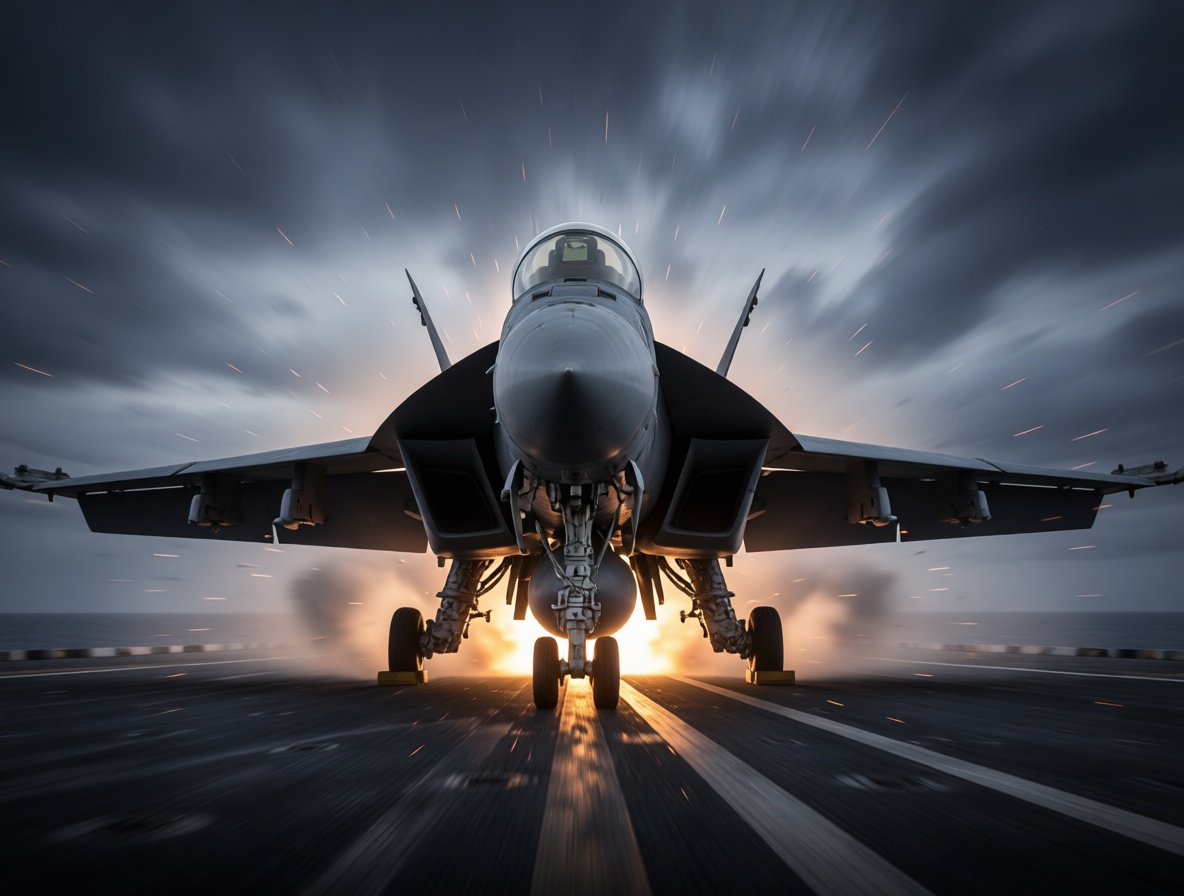
There’s a quiet kind of exhaustion that shows up when a ship’s schedule falls apart. A carrier that isn’t ready for what’s next isn’t just a logistics problem—it’s a human one. Sailors feel it in every missed plan, families feel it in every uncertain goodbye, and commands feel it in every hard choice about how to cover the gap.
This is what carrier availability choices really mean: lives getting rearranged around a ship’s rhythm. When the carrier can’t go, everything downstream shifts—and the ones absorbing that shift are already running on empty. By the time a carrier availability decision is made, the human cost has already started to pile up.
When One Unready Ship Reshuffles Everything
A carrier that isn’t ready for tasking—meaning it can’t get underway when it’s needed—doesn’t just sit in port; its schedule becomes a weight that every sailor has to carry. The time set aside for repairs closes before the work is actually done, the planned rotations that would give sailors a break slip by days or weeks, and suddenly the crew is stuck waiting on a ship instead of living their lives. That’s when the exhaustion really sets in, long before the physical work is over.
The hardest part isn’t the extra hours, at least not at first. It’s the feeling of never being able to plan, of watching your time get eaten by a schedule you don’t control—so sailors miss birthdays, cancel time off, and run on fumes because the ship’s availability dictates everything. Every missed rotation feels personal, and that wears people down long before the ship ever gets underway.
For the sailor, the biggest loss isn’t the downtime—it’s the trust that any plan will hold. When a carrier’s readiness slips, every promise about when the work ends or when the crew can finally breathe again gets pushed further out. That constant uncertainty is what turns a maintenance delay into a morale problem, making the exhaustion feel permanent instead of temporary.
The Long Wait At Home
The wait at home feels different, but it’s just as heavy. Families mark their calendars around port visits that never happen and return dates that keep sliding, and every missed visit is a week of built-up hope that has nowhere to go. That disappointment doesn’t disappear—it settles into phone calls, into silences, into the way kids stop asking when mom or dad is coming home, and eventually into the way everyone stops making plans together.
Behind the scenes, the same uncertainty forces maintenance budgets and crew schedules into constant reshuffles. Leave schedules get moved, childcare gets rearranged, housing plans get rewritten, and then rewritten again. The folks at home have to absorb all of that from a distance, trying to hold a family together while the Navy keeps changing the answer.
For spouses and parents, it stops being about one missed visit and starts being about what the missed visit means: another holiday alone, another stretch of single-parent days, another round of telling friends “we’re not sure yet.” The exhaustion on shore is quieter, but it comes from the same place—a family’s life keeps waiting on a ship’s availability. Every reshuffle lands somewhere, and it usually lands on the people who were already waiting.
Shorter Windows, Longer Deployments
With fewer dependable windows when a carrier is actually available, commands have started building plans around a tighter, less forgiving timeline. That doesn’t just mean adjusting a few dates—it means training cycles get delayed because there’s no time to fit them in before the ship has to go. The gaps don’t disappear; they get filled by longer deployments, and every extra week at sea becomes part of the new plan instead of an exception.
For crews, this turns into a slow grind. A deployment that was already long stretches even longer, and the training needed to keep skills sharp keeps getting pushed aside because mission needs come first. Everyone understands why it happens, but understanding doesn’t make the months shorter or the wait easier to plan around—it just gives the crew a reason to keep going.
The real strain shows up in the choices that follow. Commands can only work with the availability they get, so sailors end up carrying the weight of those gaps in the form of extra time away and missed chances to reset. It’s not just about dates on a calendar—it’s a way of life that keeps asking people to stretch, with no clear point when the stretching finally stops.
Conclusion

The shorter availability windows aren’t a temporary glitch—they’re the new condition commands are planning around. Training gets delayed, deployments stretch, and sailors keep adjusting to a schedule that keeps moving. Accepting that won’t erase the frustration, but it changes what you expect.
The most honest takeaway is to stop waiting for the old timeline to come back. The new normal is built on gaps, longer time away, and plans that shift at the last minute. Holding onto the old plan only makes the wait heavier. Letting go of exactly when things should happen might make the stretch ahead just a little more bearable.
What do you think? Does knowing Earth’s “delivery story” change how you feel when you look at the stars?