


 Munzir Hakimi
Table of Contents
Introduction
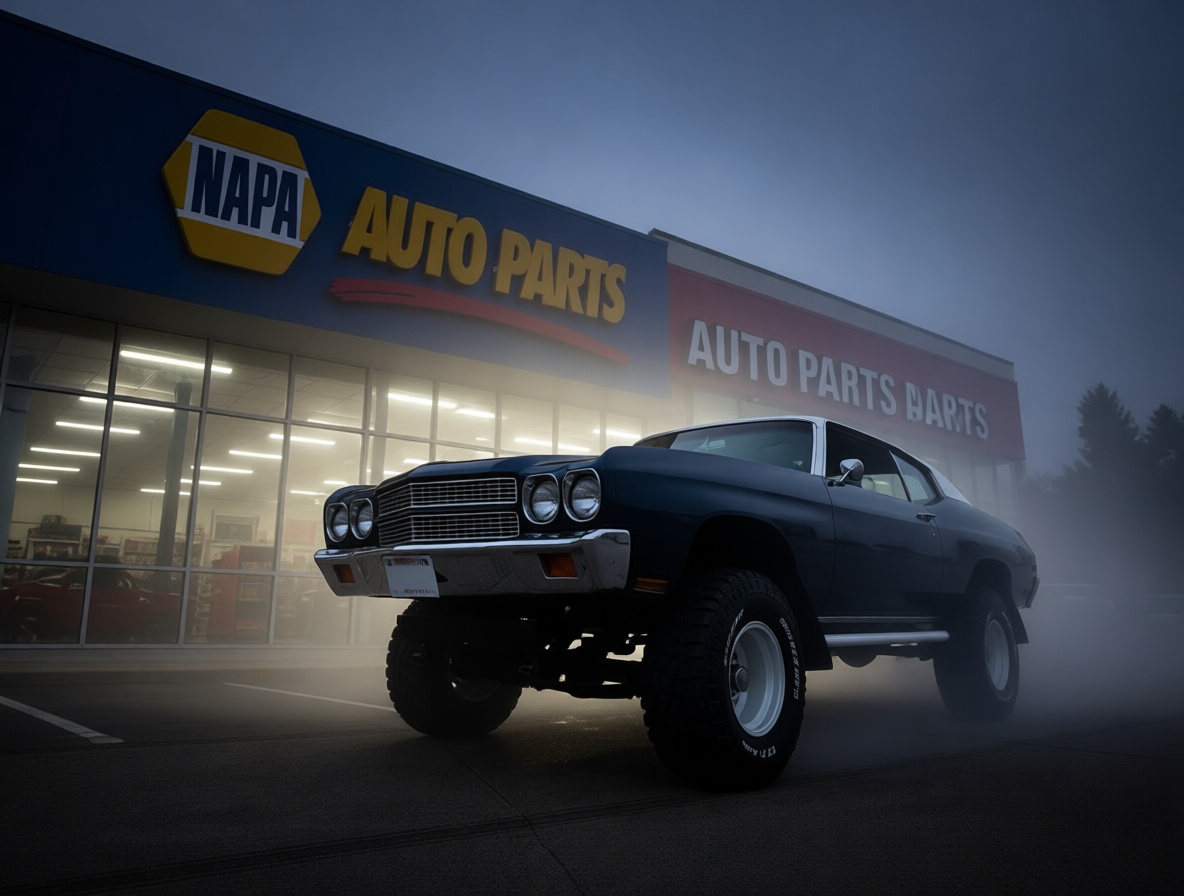
Imagine you’re halfway through a Saturday brake job, wrench in hand, and the part you ordered just doesn’t fit. Now picture that frustration happening to mechanics all over the country because of one giant merger. That’s the kind of headache a $10 billion O’Reilly-NAPA deal could bring—shaking up how parts flow, how much they cost, and even where you get your car fixed.
The ripple effects could hit your wallet, your commute, and the local repair shop you trust. When a merger this big happens, you don’t just lose choice—you lose the easy, predictable way you used to keep your car running. And that changes how you plan, budget, and even feel about simple maintenance.
When Parts Suddenly Go Missing
You walk into the parts store, ask for brake pads for a 2010 Honda, and the guy behind the counter shrugs. That’s the feeling mechanics dread—and it’s exactly what could happen after a merger this huge. When O’Reilly and NAPA combine their inventory systems, the usual part flow gets disrupted, and specific brake pads or sensors might vanish from shelves without warning.
The real gut punch? You’re not just annoyed—you’re stuck. A part that used to arrive overnight now takes three days. Your car sits half-assembled in the garage, and your weekend plans go up in smoke. For DIY mechanics, that’s not a minor inconvenience; it’s a betrayal of the convenience they relied on.
The Hidden Cost Of A Simple Fix
When parts get harder to find, prices creep up—simple as that. A brake pad set that used to run forty bucks might suddenly cost sixty, and you’ll feel that pinch right in your monthly budget. It’s not just the part either; longer wait times mean extra days without your car, and that can mess with your daily commute or force you to shell out for a rental.
So what does that mean for your life? You might put off fixing that squeaky brake because you can’t afford the sudden mark-up. Or you push through a risky drive to work, hoping nothing fails. That constant worry isn’t just stressful—it steals the peace of mind that comes with knowing your car is safe and reliable.
Independent Shops Start Thinking Differently
Frustrated by the big chains, your local mechanic might start getting creative. They could begin pre-stocking rare components before they vanish, hoarding parts for loyal customers. Or they might ditch the usual suppliers altogether and switch to online retailers, building a new network to keep their garage running.
This shift reshapes the whole local service landscape. Instead of one-stop shopping at a big box store, you’ll start seeing smaller shops become more self-reliant. That could mean better service and a personal touch—but also fewer options if you’re used to grabbing a part off the shelf. You might have to call ahead, build a relationship, and plan repairs weeks in advance.
Conclusion

In the end, the biggest change from this merger might not be the prices or the delays—it’s how you and your mechanic adapt. Independent shops are already finding workarounds, stocking rare parts or sourcing online, and that forces you to rethink the way you handle repairs. The easy, lazy trip to the parts store could become a thing of the past.
So what can you do about it? Start talking to your local mechanic now. Ask about their parts pipeline, and build a relationship before you need a fix. That connection might just save you the headache of a missing part—and keep your car on the road when the big chains let you down.
What do you think? Does knowing Earth’s “delivery story” change how you feel when you look at the stars?