


 Munzir Hakimi
Table of Contents
Introduction
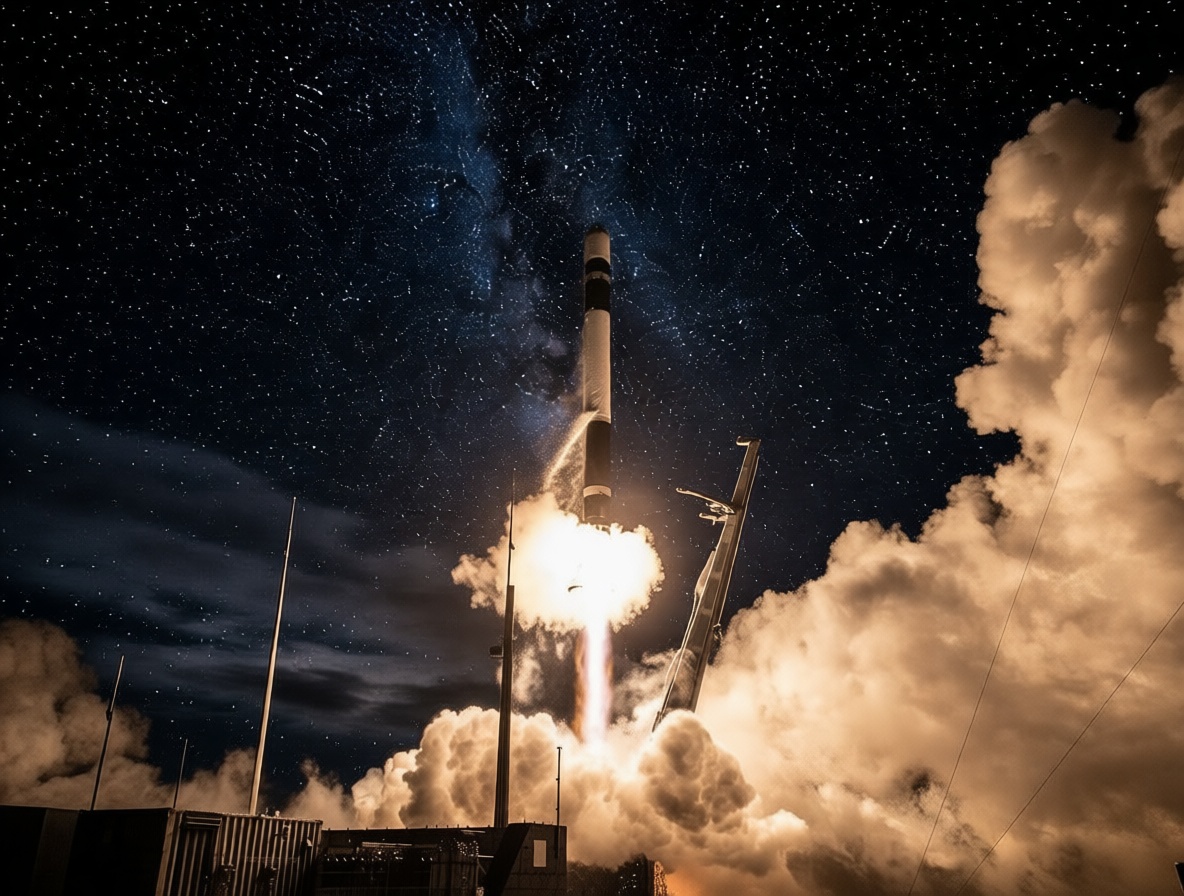
This morning’s Rocket Lab launch could easily fade into the background. A ninth iQPS satellite is heading up, and the biggest surprise is how unsurprising that feels. But behind the calm, something meaningful is happening: every orbit adds a new eye on Earth, companies and defense teams are learning to plan around reliable launch access, and defense observers are starting to treat orbital imagery as a normal part of their day.
You don’t need to follow space news to feel the ripple. These quiet shifts shape how our world gets watched, how decisions get made, and how quickly we accept the view from above. That’s why this launch is worth a moment of attention, even if it feels like just another morning.
Another Eye On Earth
This morning’s launch could easily feel like just another launch, and maybe that’s part of the point. Rocket Lab sent up its ninth iQPS satellite, and maybe you barely looked up from your coffee—that reaction is exactly how routine begins. But every orbit adds a new eye on Earth, and that quietly changes what we can see of our own world, even if you don’t consider yourself a space enthusiast.
It makes sense that the amazement fades after a few launches, because our brains settle into a comfortable rhythm after the first surprise. The real point isn’t the flash of the rocket—it’s the steady way our world becomes less unknown, one orbit at a time, without needing a dramatic announcement. When another satellite moves into place, you’re getting a little more clarity about home, and that tiny shift is easy to undervalue if you’re not paying attention.
Maybe you’ll never watch a launch all the way through, and that’s okay. What matters is what lingers: each launch adds a fresh way to look at the place where you live, and that is one more reminder that the world isn’t just beneath your feet—it’s also something you can see from outside. This ninth launch deserves a tiny moment of wonder, even on a busy morning when the sky seems far away, because those moments are what connect you to something bigger.
Steady Launches, Real-world Choices
You might think the important part of a launch is the moment it leaves the ground, with all that smoke and noise. For companies and defense teams, though, the most valuable thing is something much quieter: a reliable launch schedule. When they know another imaging satellite is on its way, their planning becomes far less stressful and they can start acting with confidence instead of waiting for luck.
Think about planning a family trip: if you know you’ll have a reliable car every weekend, you don’t hesitate to book the hotel, but if the car is a question mark, you hold back and wait. The same logic applies to budgets, timelines, and monitoring priorities, and it works whether you’re running a small business or a national defense operation. Steady launch access lets people commit to plans they might otherwise keep on hold for months, and that changes how quickly they can move when something matters.
These decisions can feel distant, but they aren’t remote from your life in the real world. When companies and defense teams set their budgets and priorities around a trustworthy launch rhythm, the effects land at home: resources get directed, attention gets focused, and things that matter are watched more closely. You may never see the schedule, but you feel the confidence behind the scenes when plans turn into action and the world keeps moving.
Orbital Imagery Feels Normal Now
For the people whose job is to keep watch, a launch like this one is no longer a surprise or a reason to pause. Defense observers have seen enough Earth-imaging satellites go up that the ninth iQPS launch just feels like another item on a long checklist, not a moment that gets the heart racing. That quiet acceptance is what normalization looks like, and it may be the most important result of this launch.
Think about the camera in your phone: the first time you used it, you probably felt a little thrill, but now it’s just a tool you reach for without thinking, maybe several times a day. The same thing is happening with orbital imagery. Frequent Earth-observation from space is becoming the background of how defense observers understand the world, so they can treat fresh images as a familiar part of their day rather than a rare event that demands a special response, and that is what a new normal feels like.
It’s easy to hear the word ‘routine’ and worry that people are paying less attention. But for defense observers, the opposite can be true. Routine means the next image is expected, the next launch is another promise that the watch will keep going, and that quiet presence is something we all gradually start to rely on, even without realizing it.
Conclusion

Routine can sound like a letdown, but sometimes it’s a sign that something important has settled into daily life. The ninth iQPS launch makes frequent Earth-observation from space feel like a natural part of how the world works. You don’t have to react with alarms or applause; you can simply let the new normal sink in.
For defense observers and the rest of us, the quiet comfort of that routine matters. The sky above is no longer a rare event—it’s a dependable presence. That’s not a reason to stop caring; it’s a reason to notice that the watch is becoming part of everyday life, and that shift is worth holding onto.
What do you think? Does knowing Earth’s “delivery story” change how you feel when you look at the stars?