


 Munzir Hakimi
Table of Contents
Introduction
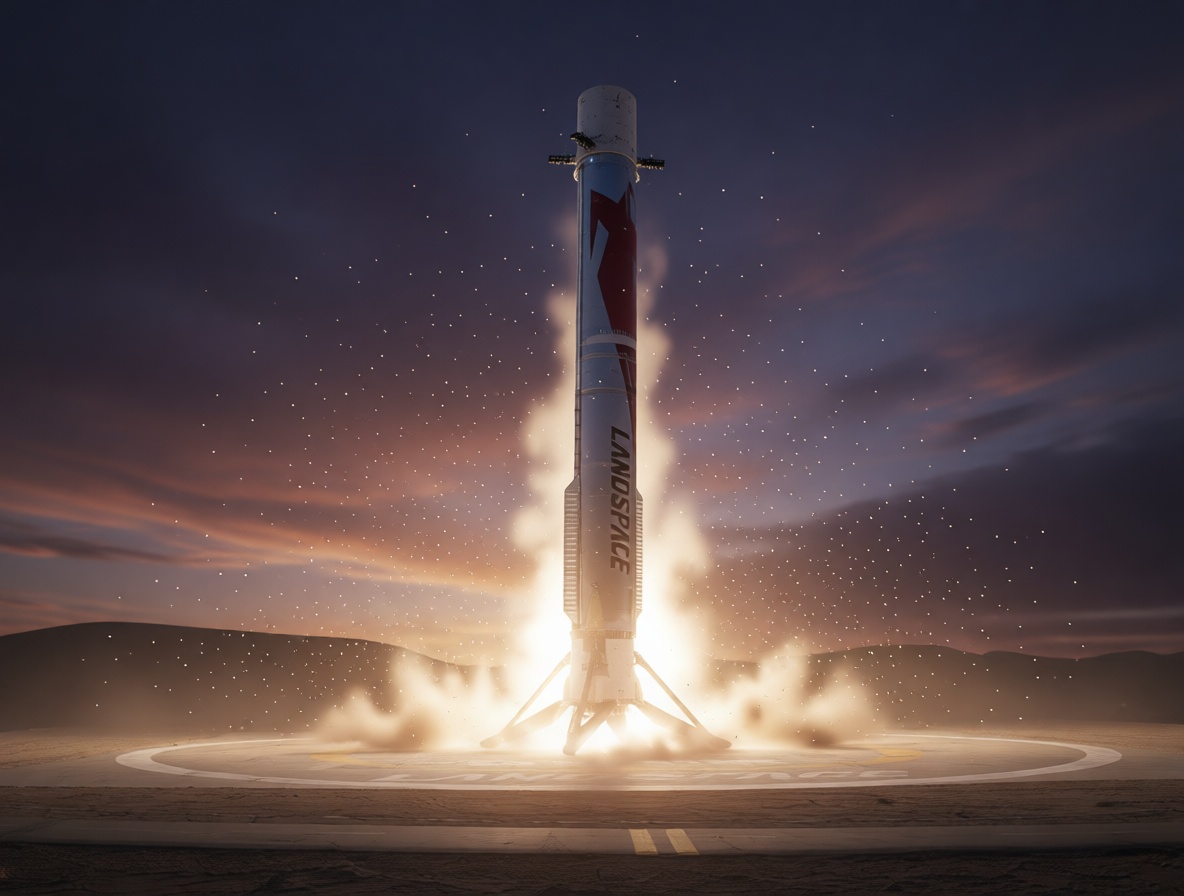
When a private rocket lands cleanly after its second flight, it’s easy to scroll past the video. But that landing is more than a neat engineering moment. It’s a quiet signal that space access is changing—and changing fast.
The same touchdown raises questions about who can put payloads in orbit quickly, makes defense planners rethink cost and schedule assumptions, and pushes space-tracking agencies to redraw their plans. None of this is abstract. It affects how fast help arrives, how safe people feel, and how we make sense of the sky above us. That matters because the world is more connected to space than most of us realize, and the stakes are not distant or theoretical.
Who Else Can Launch Payloads Quickly Now?
Watching LandSpace’s Zhuque-3 land on its second flight feels like watching someone break an unspoken rule, because for years launch meant long waiting lists and enormous budgets. Rockets were treated as expensive, delicate, and mostly one-time tools that had to be built from scratch every single time, but that old way of thinking is now in doubt. Yet here is a private Chinese rocket returning from a test as if it were routine, and the question that follows is impossible to ignore: who else can now launch payloads quickly?
This isn’t just a moment for space fans; if more companies can launch in weeks rather than years, everyday life changes in ways we barely notice until they happen. Satellite internet can reach new places sooner, weather forecasts can improve faster, and staying connected during a storm starts to feel less fragile, which means fewer gaps in the services we rely on. Each successful test pushes the world a little closer to a future where a broken satellite no longer means months of silence.
Think about a town that loses its communication link after a disaster. A quick, reusable rocket means a replacement satellite could be sent up without waiting years or burning through budgets that were never ready for an emergency. That is the real promise of the landing, and it is why the industry is now looking around and asking who else can do the same, because the faster the whole system becomes.
Defense Planners Start Rethinking Their Spreadsheets
When defense planners see a rocket land cleanly, they don’t just watch the flames and the landing legs; in their heads, a calculator is rewriting itself. For years, they built plans around launches that were rare, pricey, and hard to repeat, but if launch can be faster and cheaper, old cost and schedule assumptions suddenly look cracked. This is not a boring spreadsheet exercise; it is a quiet shift in what a nation can promise its people when trouble comes, and that shift can ripple into everyday decisions about safety and readiness.
It also pushes them toward urgent reviews of commercial launch providers. A private company that can fly a rocket more than once stops being an interesting startup and becomes a possible partner in national security. The urgency comes from a simple fear: waiting too long means falling behind, which is why these reviews are not slow, formal checklists; they are happening now, and they are not just about price, but trust.
For a regular citizen, this doesn’t mean reading classified documents or following military budget debates. It means recognizing that security systems are built on assumptions about time and money, and the response to real-world threats can become quicker when those assumptions change. A quicker response to a threat or a natural disaster can mean the difference between waiting for help and getting it in time, and that is something everyone can quietly appreciate.
Space Trackers Are Adding Private Rockets To Their Plans
It is strange to think of space as a busy highway, but that is exactly what it has become. Space-tracking agencies follow satellites, debris, and anything else orbiting Earth, and their job is to keep that traffic from becoming chaos. Now they may need to include private Chinese rockets such as Zhuque-3 in their orbit-response planning and launch-capacity reports, and that changes the map of who matters in space.
Orbit-response planning is really about being ready, because if a satellite fails or debris gets too close to something important, someone has to decide how to respond. When a private rocket is part of the picture, that person has more options, and launch-capacity reports say who can launch what and when. Those reports are no longer just about governments but about new players who can put things into orbit, and for the rest of us, this is a reason to feel more secure.
The same satellites that guide our maps, weather alerts, and phone calls depend on a space environment that is monitored and understood. When tracking agencies add private rockets to their plans, they are quietly keeping the invisible systems of daily life safer. Next time you see a launch video, remember it is not just spectacle; it is part of the choreography that keeps our routines running, and your daily routine is part of that story.
Conclusion

When a private rocket appears in the plans of space-tracking agencies, the sky starts to feel less like a distant map and more like a shared neighborhood. That shift asks us to adjust our mental picture of space and pay attention to who is flying overhead. It is no longer just governments; it is private companies from different parts of the world.
So the next time you glance at a weather app or use GPS, remember that someone is planning for what comes next. A private Chinese rocket on a tracking report is a reminder that the future is already moving, and the choices made today will shape what the sky looks like tomorrow.
What do you think? Does knowing Earth’s “delivery story” change how you feel when you look at the stars?