


 Munzir Hakimi
Table of Contents
Introduction
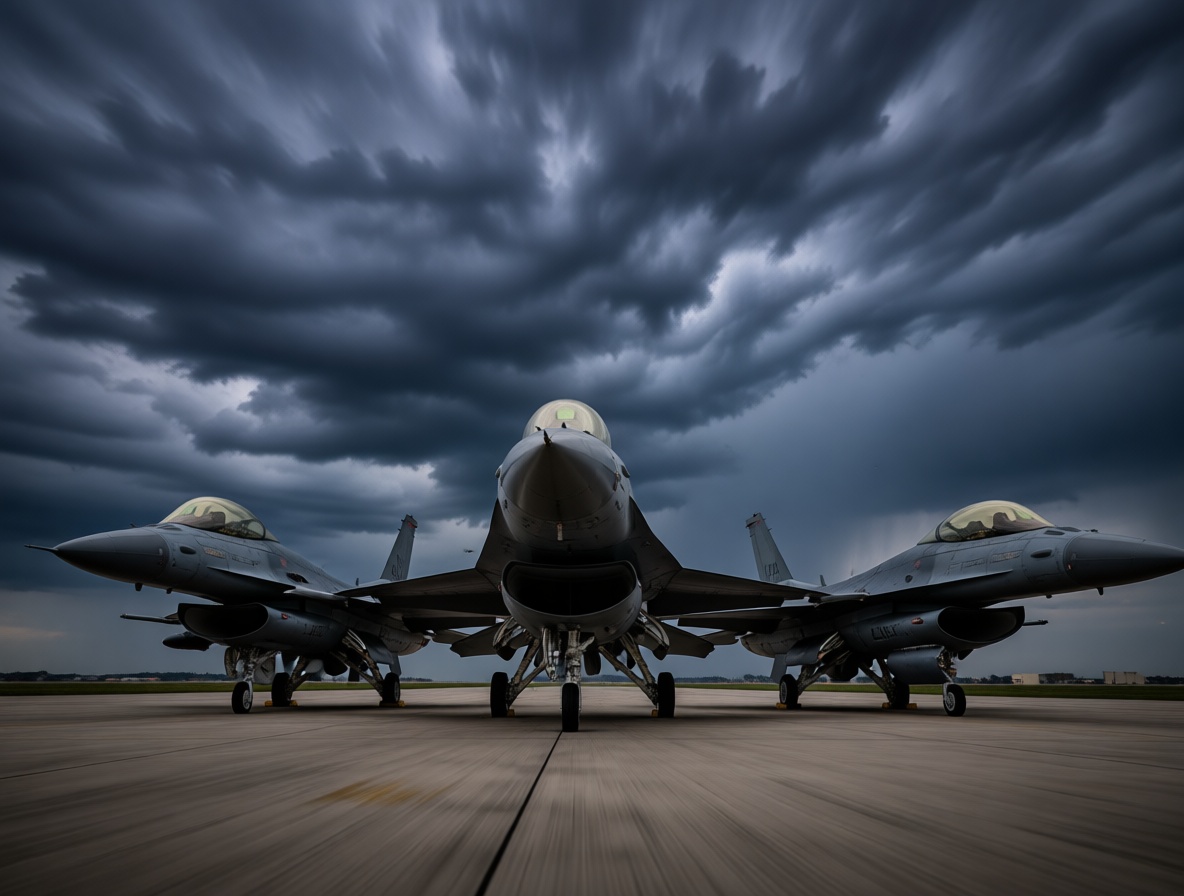
Imagine sitting in front of a radar screen during a training exercise and knowing something dangerous is moving toward you, but you can’t see it. That’s the kind of moment pilots need to practice for, because it leaves a memory before a life ever depends on it. Now target drones are starting to mimic stealth jets, and this could mean safer pilots when real combat arrives.
But the impact doesn’t stop in the cockpit. It can also influence which drone programs receive funding, and it may push training ranges away from real jets toward smaller, faster mock threats. For anyone who cares about the people who fly into danger, that’s a future worth watching.
The Sudden Sense Of An Unseen Threat
Imagine a pilot watching a radar screen during a training mission: the screen says something is approaching, even though the sky looks completely empty. That’s when a target drone designed to mimic a stealth fighter does its job, because an invisible enemy feels dangerously real. It’s one thing to know stealth jets exist, and another to watch one sneak up on your screen.
A stealth jet is built to stay hidden, so even a fake one can throw a pilot off balance when their eyes see nothing but their instruments warn that a threat is getting closer. That creates a sudden, realistic sense of danger. Working through that confusion is exactly the kind of practice pilots need before real combat, because fear is easier to manage when it’s not brand new.
Think of it like doing a fire drill in a room filled with thick smoke instead of just reading a checklist. Reading about danger is calm and neat, but feeling it is messy, and training in that messy moment teaches your body to move even when your mind is racing. For pilots, that could be the difference between freezing and safely getting out of a bad situation, and it can keep them calmer when it matters most—which is the whole point.
Funding Choices Send A Clear Signal To Defense Contractors
When the military decides to buy target drones, defense contractors immediately pay attention. These are the companies that design and build the aircraft pilots fly, and every purchasing decision helps them predict what kind of technology will be useful in the future. A purchase like this sends a clear signal that drone technology is worth serious investment, and that can change which programs receive funding and which ones quietly fall behind.
For defense contractors, this is more than paperwork, because it determines which drone programs survive and which aircraft designs are prioritized for testing. If target drones become a bigger priority, older projects may lose support while new ones gain momentum, and that kind of shift can reshape years of company strategy. It doesn’t happen overnight, but the direction becomes clear, and that clarity is important to everyone involved.
Think of it like choosing which apps on your phone deserve updates; it’s a simple decision that sets a direction. The ones you keep using get better features, while the ones you ignore slowly fade. Contractors make the same kind of judgment call with military money, and that call helps decide what pilots end up flying—so this distant business decision quietly shapes the equipment that protects the people in the sky, and that’s how big changes start.
Training Ranges Shift From Real Jets To Mock Threats
Training ranges may soon look very different, with real jets becoming less common and pilots practicing instead against target drones that mimic enemy planes. The shift may sound small, but these mock threats are smaller, faster, and stealthier, which makes them harder to spot, harder to ignore. Every training session would feel closer to the messy reality of combat and leave pilots better prepared to handle the unexpected.
Facing a smaller and faster target changes the way a pilot reacts, because there is less time to figure out where the danger is coming from and the radar shows a blip that behaves differently than a big jet would. That challenge is the whole point, since real combat rarely offers a clean, obvious target. Pilots need plenty of practice against threats that move in unpredictable ways, so that when the moment matters, the situation won’t feel brand new.
Think of it like playing a video game against a friend who never stops moving. At first it’s frustrating, but you get sharper because the challenge pushes you. For pilots, that sharper edge could be the difference between hesitation and a quick response, and it might be exactly what gets them home—that’s what makes this change so important.
Conclusion

There’s something reassuring about knowing pilots will practice against small, fast, stealthy threats before the real thing happens. It means the first time they face a hidden danger won’t be the first time they’ve felt it. Training ranges may look quieter with fewer real jets, but the lessons they teach are louder.
For anyone who cares about the people who serve, that’s a quiet kind of hope. The next time you think about military training, picture pilots responding to a mock threat that doesn’t give them a clean view. That difficult practice may be exactly what brings them home, and that’s a thought worth holding onto.
What do you think? Does knowing Earth’s “delivery story” change how you feel when you look at the stars?