


 Munzir Hakimi
Table of Contents
Introduction
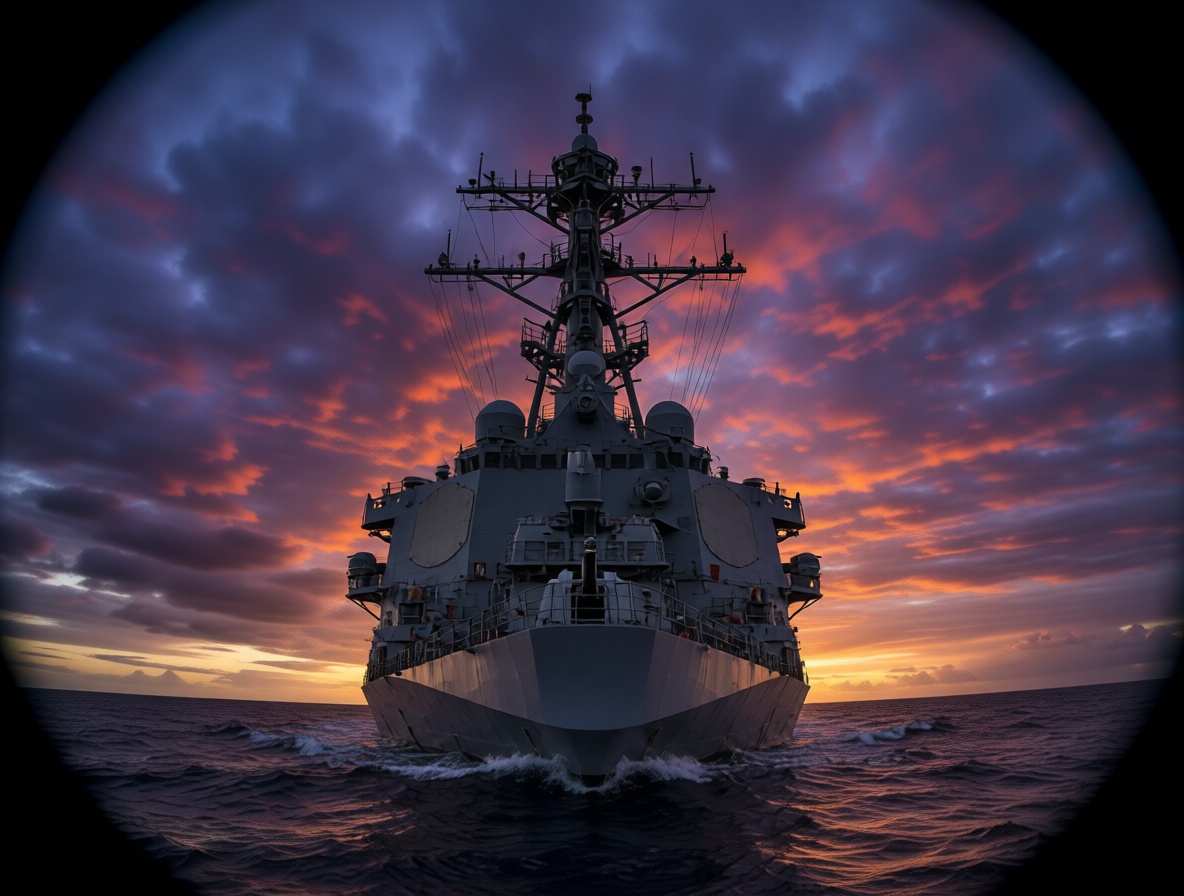
Imagine being trapped with 300 other people in a place with no air conditioning, no working toilets, and not a drop of safe water. That was real life for the crew of a destroyer after a single engineering failure. What happened next was more than discomfort—it became a survival test.
Now imagine that discomfort stretching into days. The heat keeps pressing in, thirst grows urgent, and every normal routine falls apart. Beyond the suffering, there is a bigger concern: even advanced destroyers may be vulnerable to one breakdown. This story is about that fragile moment—and why stronger backup and maintenance now seem so important.
The Moment 300 Sailors Lost Air, Water, And Toilets
One moment, the ship is full of cool air, bright lights, and working taps; the next, the electrical grid fails, and 300 sailors are suddenly trapped in a metal box with no air conditioning, no flushing toilets, and no safe water to drink. The heat presses in from every direction; thirst becomes impossible to ignore, and what makes it worse is knowing there is no quick way out. The air gets heavier, and every breath feels warmer than the last.
If you have ever been stuck in a hot room without water, you know that panicked feeling; now multiply it by 300 people with nowhere to go. Stress takes over the body, clear thinking gets harder with every minute, and even the simplest decisions start to feel impossible. This is how heat stress turns ordinary discomfort into real danger.
This kind of failure shows how many hidden systems keep daily life from turning into chaos, but people don’t realize how fast comfort disappears when the basics stop working. In that moment, everything narrows to one question: can we hold on until help arrives? The answer matters not just for sailors; it is a reminder of how fragile everyday confidence can be.
Four Days When Every Shipboard Routine Stops
For four straight days, the normal rhythm of ship life just stops. Mealtimes disappear because no one can cook anything; showers become a distant memory, and even a simple glass of water is impossible to find. The usual anchors of the day—breakfast, cleanup, a cool drink—are gone all at once; for a crew used to order, the silence of stopped routines is almost as hard to handle as the heat.
The tropical heat sits on the ship like a heavy blanket. There is no cool corner to hide in, no shower to rinse off the sweat, and no cold drink to calm the thirst. It wears you down slowly; by the second day, exhaustion starts to feel normal, every small task becomes a burden, and your brain has nothing to distract it from how miserable you feel.
Routines matter more than people think, and when every routine stops, the mind starts to struggle. You can’t plan around meals, you can’t clean up, and you can’t escape the heat. What matters shrinks down to the basics: water, rest, and the hope that something will change—it is a raw way to live, and it changes how you see ordinary things.
A Single Breakdown Sparks Calls For Better Backup
After seeing what a single equipment failure can do, observers are starting to ask really hard questions. If a modern destroyer can be pushed into a crisis by a single failure, what else is at risk? That question is shaking assumptions about high-tech ships, and this is why people are calling right now for stronger naval backup and better maintenance before anything else goes wrong.
No one wants to blame a specific person or part; the focus has shifted from fixing blame to fixing the gaps. The goal is to build systems that can survive a breakdown without putting hundreds of lives in immediate danger. That means more backups, stricter checks, and a very serious investment in keeping the ship ready for anything, because a single point of failure is now seen as a direct threat.
The lesson is bigger than one ship: advanced technology still relies on simple everyday human habits like checking, fixing, and preparing. Strong backup plans are not just paperwork; they are the difference between a bad moment and a catastrophe. For anyone depending on modern systems, this is a reminder to look at the weak links before they break, not after; the goal is to be ready, not scared.
Conclusion

The real takeaway is that no machine is ever beyond failure. Even advanced destroyers need backup plans and careful maintenance. When people see that a single failure can bring so much to a halt, the natural response is to protect what we have before it breaks.
For the rest of us, this is not a reason to panic. It is a reason to look at our own weak spots and ask if we are ready for the unexpected. A little maintenance and a strong backup can be the difference between a rough day and a nightmare. That is a lesson worth keeping.
What do you think? Does knowing Earth’s “delivery story” change how you feel when you look at the stars?