


 Munzir Hakimi
Table of Contents
Introduction
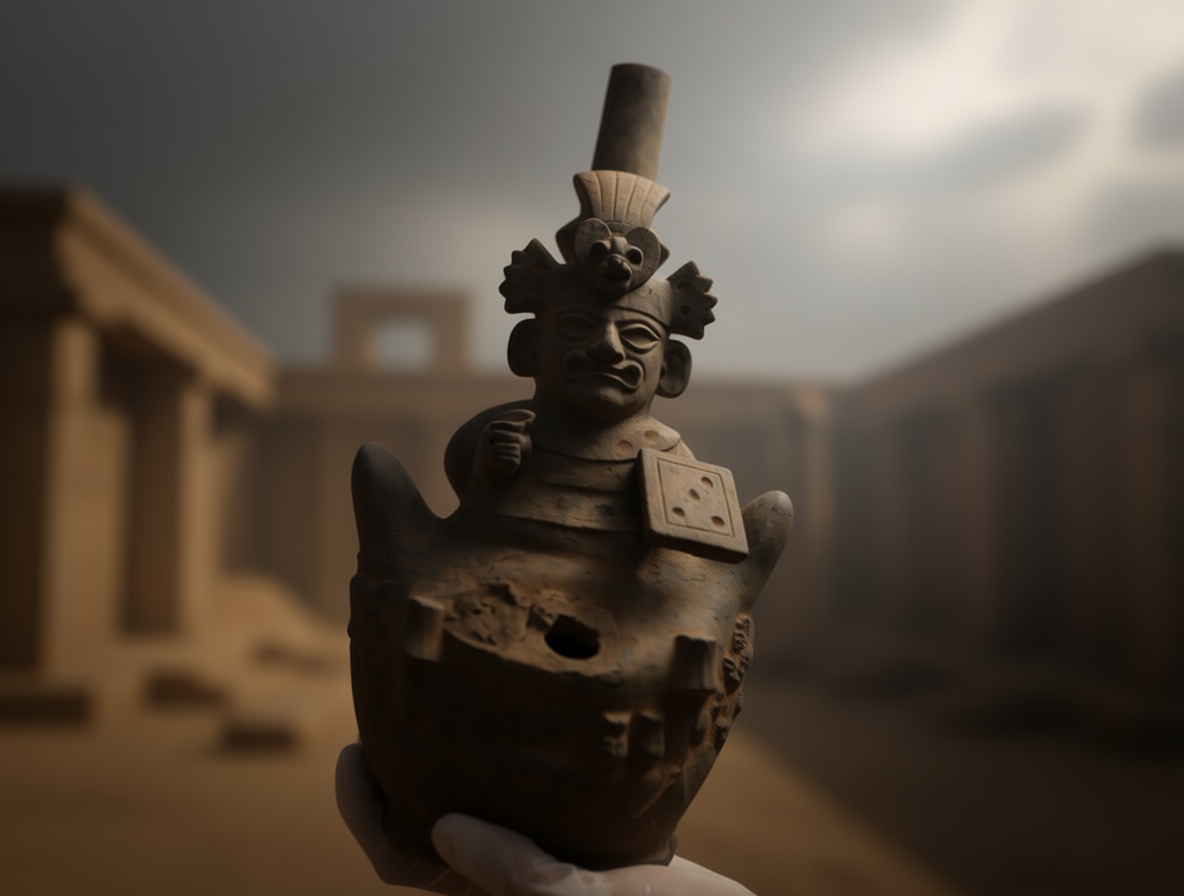
Some discoveries make you stop and wonder about people who lived long ago. A 1,400-year-old infant grave at Moche Temple does that. It is not just a find to file away. It gives researchers a real burial setting, and that makes them pause and recheck how elite status was marked. That matters because labels can shape how we remember someone.
For field teams, this small grave also asks for patience. Every detail has to be recorded before later analysis, so the work slows down. And as the grave enters reports, teams may adjust labels and comparison sets to keep elite-status claims tied to the burial context. That is careful, human work, and it asks us to care about getting the story right.
A Grave That Makes Researchers Recheck Elite Status
A tiny grave, quiet for 1,400 years, can still make people stop and wonder. The infant grave at Moche Temple gives researchers a real burial setting, and that concrete context makes them pause. It sparks a careful re-check of how elite status was marked, because a label should not run ahead of what the grave itself can show, and that small act of care can change the whole story.
That pause is easy to feel, even from a distance, because a clear setting lets researchers ask better questions instead of grabbing the first simple answer. A concrete context gives their re-check more weight, and that can change how a small life is described. That matters because the words experts use can shape the story that reaches us, and that story can stick in how we remember the past.
This is not just a dusty puzzle. If you have ever judged someone too fast, you know the relief of going back and checking what is really there. The grave calls for that same care, so the re-check can keep a label from racing past the burial setting, and that habit can mean more patience before we call someone important, which can protect the truth of the burial context.
A Slow Recording Step For Field Teams
For field teams, this small grave turns up the pressure to slow down. The infant grave at Moche Temple adds a slow recording step, because every detail has to be recorded before anyone can analyze it later. That can feel frustrating when people want answers now, but it protects the story from being rushed, and it keeps the team from skipping ahead.
That slow step can feel tedious, but it is also a relief if you have ever tried to remember a moment before it slips away. Field teams have to write down each detail first, and only then can they look at what it all means. Every detail must be recorded, which means the team has to trade speed for care, and that trade can keep later analysis from resting on a guess, even if it is not glamorous.
There is a human lesson in that slow work. When you have to record before you analyze, you feel the weight of getting it right, and you may notice how often people skip that part. can feel like a delay, but it gives the team a safer path to later analysis, and that path can keep small facts from being lost, and that is a relief because a small detail can carry a lot of meaning.
Adjusting Labels To Keep Claims Tied To Burial Context
When a grave like this enters reports, labels can start to feel shaky. Teams may adjust labels and comparison sets as the Moche Temple infant grave enters reports, because they want elite-status claims to stay tied to the burial context. That is a quiet but important move, since a label that drifts away from the grave can turn a careful finding into a loose guess, and that can matter to how the story is told later.
That shift can make readers feel unsure, because labels are supposed to make things simple. But keeping an elite-status claim tied to burial context means the team is choosing accuracy over a neat label. Teams may adjust what they compare, so the claim does not float free, and that choice can keep a report from saying more than the grave can support, and that is a relief for anyone who wants careful claims.
This is a human choice, not just a filing task. When you have to keep a claim tied to the burial context, you feel the pull to be honest even when a simpler label would be easier. Labels and comparison sets may change, but the goal is to keep elite-status claims anchored to the burial context, and that can make a report more trustworthy to the people who read it, so the report can better shape what people remember.
Conclusion

Labels can feel like the end of the story, but this grave shows they can be adjusted. As the Moche Temple infant grave enters reports, teams may adjust labels and comparison sets to keep elite-status claims tied to burial context. That is careful, human work, and it matters because it keeps a claim from floating away from the grave. Why care? Because accuracy can change how a life is remembered.
You can carry that same lesson into your day. When a neat label starts to drift from the facts, tie your claim to what is there. That small choice can keep a report, and the memory it shapes, more honest.
What do you think? Does knowing Earth’s “delivery story” change how you feel when you look at the stars?