


 Munzir Hakimi
Table of Contents
Introduction
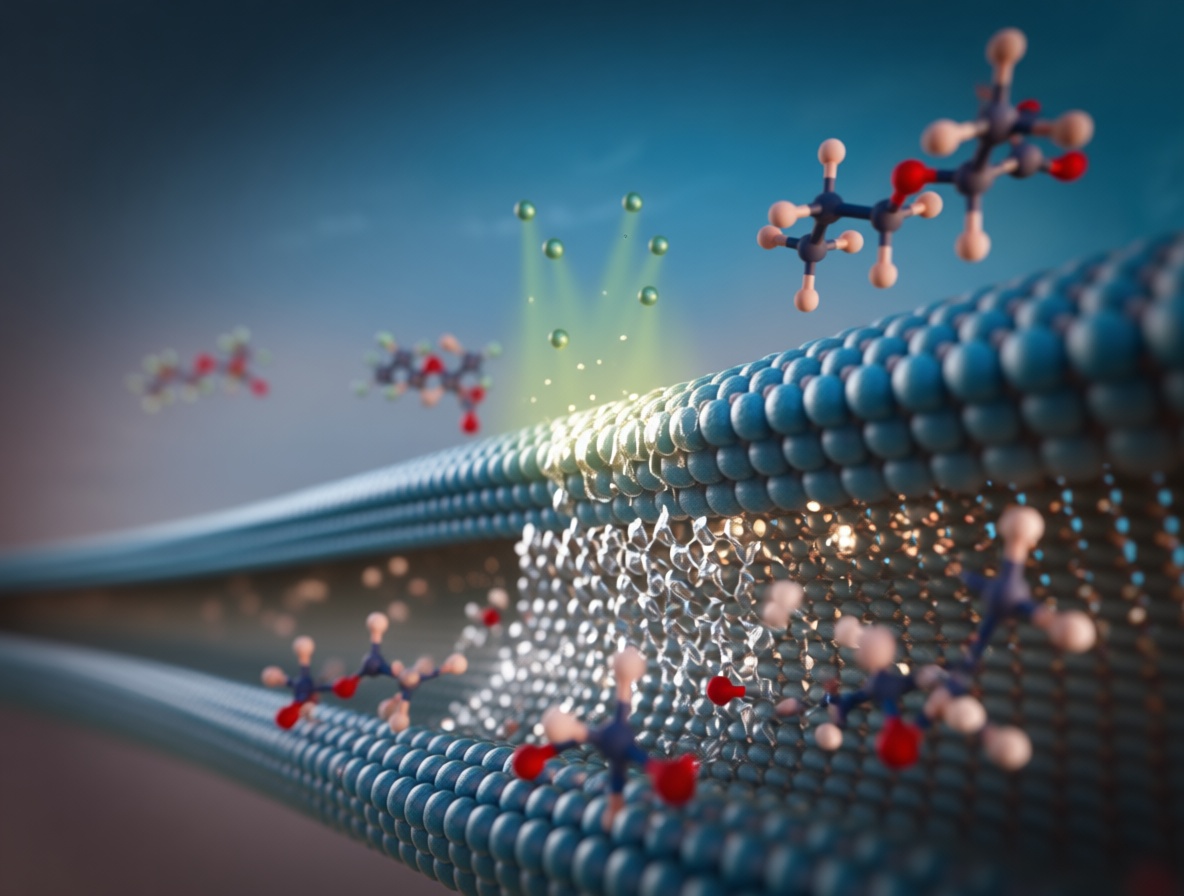
PFAS in water is one of those problems that can make a person feel stuck. A filter traps it, but what if the filter could also break it down? That is the hope around a palladium-coated membrane with reactive hydrogen—a 58-day run suggests it may do more than trap.
For families, that hope meets real life: PFAS that sticks around can mean longer filtration routines and tougher filter choices. And for water utilities and researchers, the bigger question is whether they should move from only capturing PFAS to testing catalytic membranes that may break C–F bonds over 58-day runs. This is not just lab curiosity. It is about whether everyday water care can feel a little less endless.
A Filter That Does More Than Trap
Imagine a water filter that grabs the problem and then tries to take it apart. That is the idea behind a palladium-coated membrane. It is built to capture PFAS in water, and that alone can feel like relief if you have been worried about what is slipping through.
But here is the twist: the membrane may do more than hold PFAS. Reactive hydrogen may break carbon–fluorine bonds, the strong links that help PFAS hold together. Why care? Because trapping only moves the problem around, while breaking those bonds could mean the filter is working on the problem itself.
A 58-day run suggests this is not just a quick trick. That matters because a filter has to keep showing up, day after day, not just impress for an hour. If it can keep capturing and maybe breaking PFAS over that long stretch, a filter that does more than trap starts to feel like a real practical hope.
When Pfas Makes Home Water Care Harder
At home, PFAS that sticks around can turn water care into a chore that never really ends. You fill a glass, run the filter, and wonder how long the setup will actually keep working. That uncertainty can mean longer filtration routines, and it can make a basic daily habit feel heavier than it should. It is easy to feel responsible for getting it right.
So you check the filter more often. Maybe you write a reminder, or you start second-guessing the little signs that tell you it is time for a change. More frequent filter checks sound small, but they add a steady layer of attention to daily life. You are not just pouring water anymore. You are managing a system and hoping you did not miss a cue.
Then comes the harder part: choosing which water treatment claims matter. Every label can sound serious, and you are left trying to decide what is worth trusting for your home. That is why this is not just a filter problem. It is a hard choice about what claims matter when you want your family to feel safe. And that choice can stay with you every time you turn on the tap.
The Shift From Capturing To Breaking Pfas
There is a bigger question behind water treatment: should we only catch PFAS, or can we break it apart? Water utilities and researchers may be ready to shift from only capturing PFAS to testing catalytic membranes. These are membranes designed to help a reaction happen, and that difference can feel like moving from holding a problem to actually working on it. That is a hopeful change, and it gives the work a clearer direction.
The key hope is that these membranes may break C–F bonds, the tough links that keep PFAS together. That is why the testing matters. A 58-day run gives researchers a longer look at whether the idea can hold up, not just for a quick moment but across a stretch of time. It also shows why a longer test can feel so important when the goal is a real change.
For utilities, this could change what they test and what they expect from water treatment. Instead of only asking whether PFAS is captured, they may ask whether it can be broken down over 58-day runs. That shift matters because testing membranes that may break C–F bonds could turn treatment into something more lasting than simple capture. It is a careful hope, but a meaningful one. For anyone watching water treatment, that is the quiet drama here: a move from capture alone to testing something that may break the bond.
Conclusion

The shift from only capturing PFAS to testing catalytic membranes may sound small, but it changes the question water utilities and researchers are asking. Instead of just trapping PFAS, they may test whether C–F bonds can be broken over 58-day runs. That is a careful kind of hope, and it is worth holding lightly. It reminds us that progress in water treatment is often quiet, steady, and measured over time.
When you hear about water treatment next, pay attention to that move: from capturing PFAS to testing membranes that may break C–F bonds over 58-day runs. It gives you a clearer way to read the change—not as a magic fix, but as a real question being tested. And that can make the future of water care feel a little more open.
What do you think? Does knowing Earth’s “delivery story” change how you feel when you look at the stars?