


 Munzir Hakimi
Table of Contents
Introduction
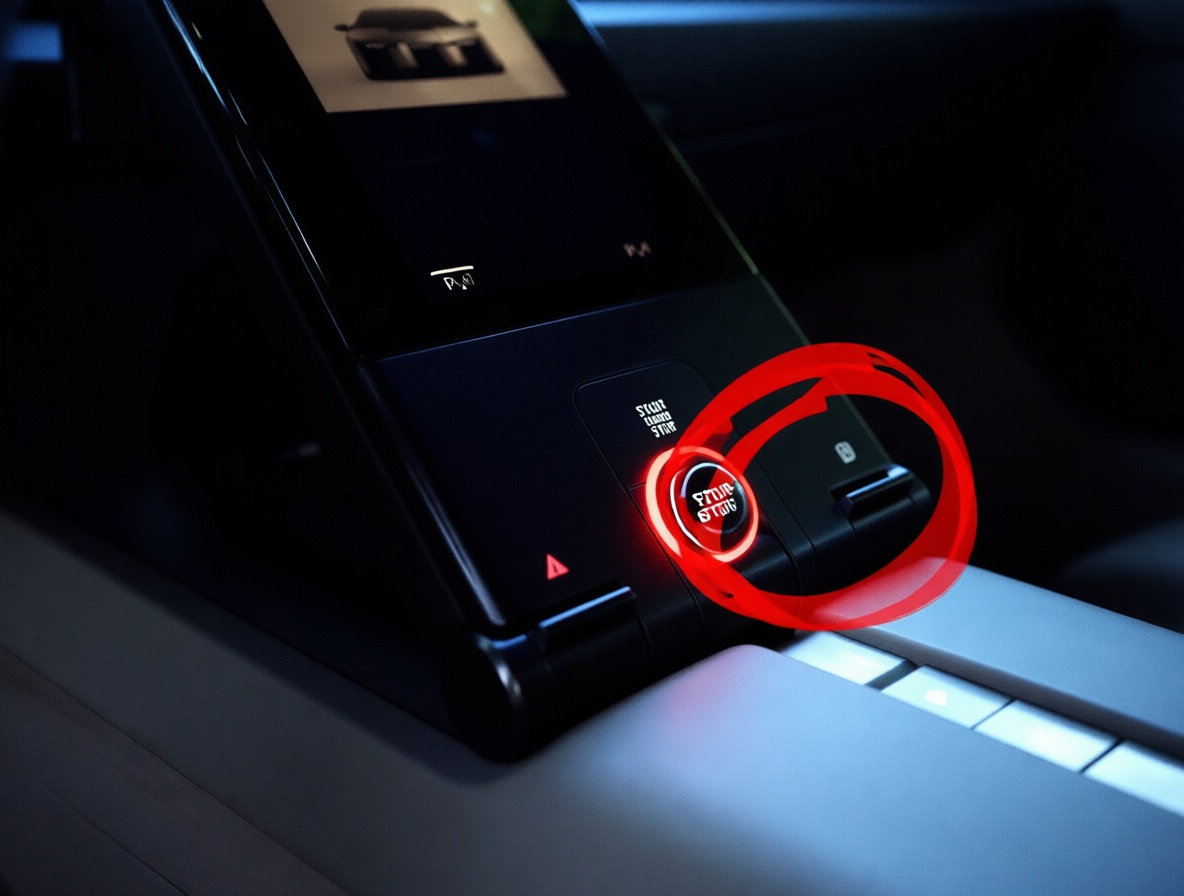
Imagine sliding into a car and having one giant button grab your attention before anything else. That’s exactly what happens inside the Audi Nuvolari, and it makes you wonder if car design is shifting. You might expect to notice something more obvious first, but this oversized fuel door button steals the show.
Why should you care? Because a single thoughtful control can make daily fuel stops easier, and it signals a larger move back to physical buttons in a world of screens. That mix of comfort and innovation is something every driver can get behind. It’s a small detail with real consequences for your everyday routine.
The Button That Catches Your Eye First
Slip into the Audi Nuvolari and your eyes don’t wander around the cabin. They lock onto one huge fuel door button before anything else can register, and that happens right away. It’s like the car is waving at you, saying, ‘Start here,’ so you immediately feel oriented instead of lost because that single moment shapes how you feel about the entire space, especially during busy days.
That might seem like a small detail, but our brains crave order when we enter a new space. A cabin full of blank surfaces can make you pause, while one oversized button gives you an instant anchor. This anchor tells you which control matters, so you never have to hesitate, even for a moment, before you understand what you’re looking at and feel ready to move forward instead of fumbling around.
Think about how that plays out in your own life. The next time you’re in an unfamiliar car, notice the relief when you find the right switch without searching for it. That feeling of ease is exactly what this enormous fuel button delivers the moment you sit down, and it stays with you through the whole drive, making the car feel more welcoming from the start rather than like another complicated gadget.
One Big Button For Easier Fuel Stops
These days, car cabins keep losing their buttons. It sounds clean and minimalist, but it also creates a problem: a driver has to find the right button among fewer clues. The large fuel release button solves that by giving you one obvious target in a near button-free cabin, so you don’t have to play a guessing game or let your attention bounce from spot to spot.
Think about a fuel stop after a long day. You’re tired, maybe running late, and you just want to get back on the road. If the controls all look the same, you can end up staring at a wall of identical buttons and feeling the pressure build, but with this big button you skip all that because it stands out and doesn’t blend in with the rest; your hand goes right where it needs to go.
Here’s the real payoff for daily drivers: less mental effort means less stress. You don’t have to scan every control or worry about pressing the wrong one. Instead, you finish the task quickly and move on, which turns a routine chore into something almost automatic, and that’s a calm moment you get back every time you refuel—a small win you’ll feel repeatedly.
A Deliberate Counterweight To All-screen Dashboards
For years, the buzz in car design has been all about screens. Automakers keep making them bigger and more powerful, but that can leave drivers feeling disconnected and unsure where to look. Now there’s a quiet shift: a single oversized physical control may be used as a deliberate counterweight to all-screen dashboards in future supercars, and that’s a comforting thought for anyone who grew up with buttons and knobs, because it feels more human than the usual race to make everything digital.
Think about what that means for your hands and your instincts. When you can touch a real button, you get instant feedback without taking your eyes off the road. You don’t have to dig through menus or guess at a smooth glass surface, because the button itself tells you exactly what it does; that sense of contact is reassuring, especially in a car packed with digital displays, and it gives you confidence in every tap.
The bigger picture is hopeful. Future supercars could feel more human, not just more high-tech. You’d get the benefits of modern design without losing the simple comfort of pushing a physical control, and that balance is exactly what a deliberate counterweight promises; it means drivers won’t have to choose between innovation and ease, because the car still respects the way people naturally interact with the world.
Conclusion

The real takeaway is simple. In a future that keeps pushing screens toward us, one thoughtfully placed physical button can anchor the entire driving experience. It doesn’t have to be complicated or flashy; it just has to give you something real to touch, and that changes how safe and comfortable you feel behind the wheel.
What can you do with this understanding? Next time you sit in a car, notice which controls actually put you at ease. When a single button or knob gives you confidence, that’s your mind telling you good design matters. Your appreciation for these small details will shape the cars you choose next, and it may even remind you that technology works best when it still feels human.
What do you think? Does knowing Earth’s “delivery story” change how you feel when you look at the stars?


