


 Munzir Hakimi
Table of Contents
Introduction
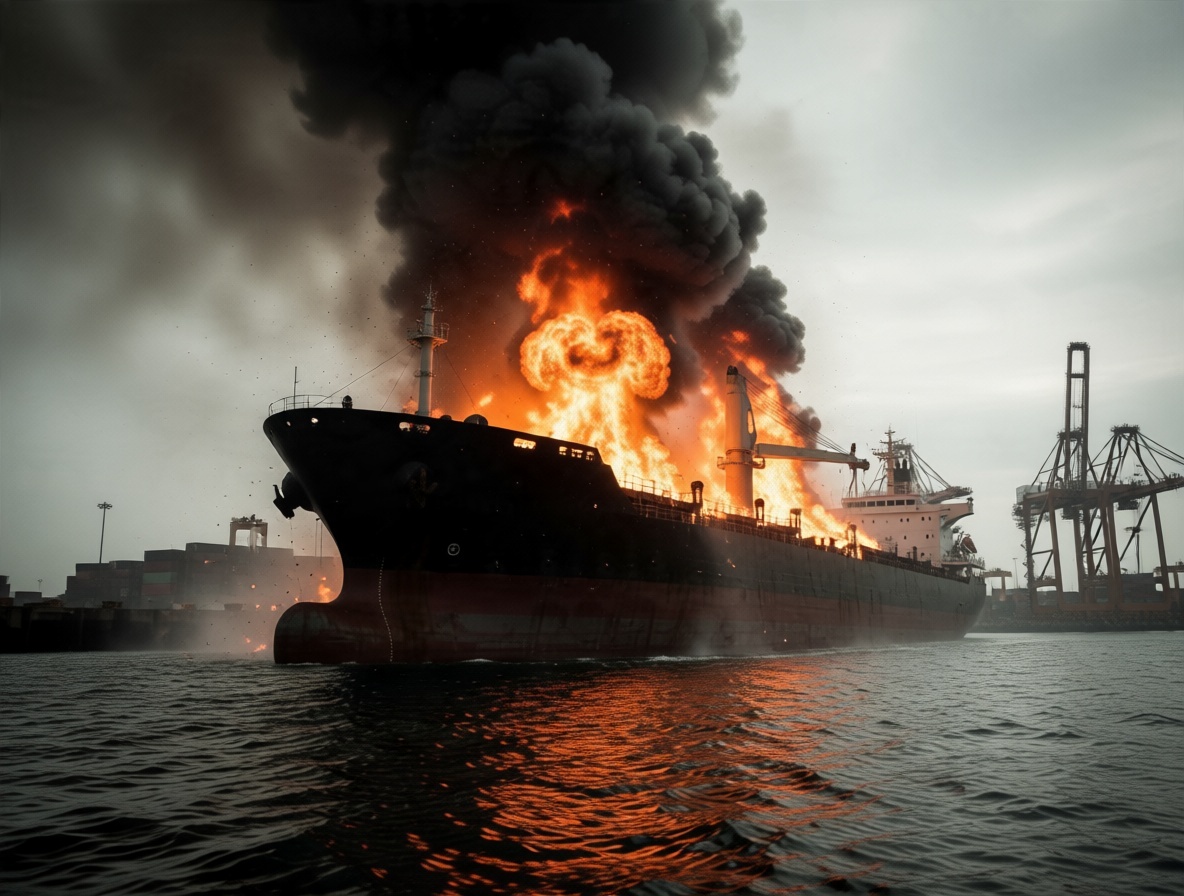
A single day can make a faraway naval danger feel very close. A new Russian corvette is destroyed, and cargo ships are struck in the Mediterranean and Baltic on that same day. That is the kind of report that makes people stop and look again.
For shipping and defense teams, the same one-day report means checking routes, schedules, and escort decisions across two distant seas. Watchlists now span the Black Sea, Mediterranean, and Baltic as one linked problem, not three separate stories. That is why the next read matters: distant risk can start to feel personal, and it brings the worry closer to the people who follow it.
When Distant Naval Risk Feels Immediate
One day can turn faraway naval danger into something that feels close, and that is exactly what this report does for anyone paying attention. A new Russian corvette is destroyed, and cargo ships are struck in the Mediterranean and Baltic in that same day. For anyone watching, that makes distant naval risk feel immediate and hard to shake off, because the distance on a map stops feeling like protection.
The shock is not just about the ships themselves, even though they are at the center of the report. It is about the sudden feeling that a far-off event can land right on your doorstep, and that feeling is what changes the way people read the news. It makes them pay closer attention to updates they might otherwise brush off, because the distance no longer feels like protection and the danger no longer feels separate.
A person sees a report about a sea far away and does not scroll past it, because something in the story says this is not just background noise. They pause, and the news says the danger is no longer easy to file away as distant or as someone else’s problem. That small pause is the real change, since distant risk now asks for attention in a way that can follow someone through the rest of the day.
Checking Routes Schedules And Escort Decisions
A single report can turn a normal workday into a round of hard choices for the people who plan and protect cargo movement. For shipping and defense teams, that same one-day report means checking routes, schedules, and escort decisions across two distant seas. They cannot treat the news as background noise, because the work of keeping ships safe does not pause while they decide what to do, and the pressure does not wait.
The worry is practical, not abstract, because a report like this can push teams to look again at plans already in motion, even when time is short. They have to ask what needs a second look and decide which route, schedule, or escort choice deserves attention first. That is the human consequence: a far-off update can change what real teams do next and how they feel about the day ahead.
This is why the same report can feel heavy to a shipping team and a defense team at once. They are not just reading news; they are weighing choices across two distant seas. That can make an ordinary day feel tense, but it also gives them something clear to do with the worry: check, compare, and choose the next step for the day ahead.
One Linked Problem Across Three Seas
It is tempting to file sea stories away one by one, as if each place has its own separate headline and its own separate worry. But the watchlist no longer lets you do that, because the Black Sea, Mediterranean, and Baltic now sit together as one linked problem, not three separate maritime stories, and that changes the shape of the watchlist. That shift is small on paper, but it changes what people feel they have to watch from day to day.
That matters because a single update can no longer stay in its own lane or stay tied to one place. A change in one sea can make someone look harder at the other two, since the problem feels connected rather than contained, even if the news comes from far away. This can feel unsettling, because it removes the comfort of thinking each sea is its own story, and that comfort is hard to give up.
The practical result is simple for anyone following the news: people keep a wider watch. They do not treat an update from one sea as a closed chapter, and that keeps three distant places in view at the same time. It is a heavier way to watch the map, but it is also a clearer one, because one linked problem asks for one linked kind of attention.
Conclusion

The Black Sea, Mediterranean, and Baltic no longer sit apart in the mind. They are one linked problem on the watchlist, not three separate maritime stories. That can feel heavier, because it asks you to hold more than one place in view at once.
But it is also clearer. You can stop treating each sea as a separate story and start watching for the connections between them. That is the practical takeaway: keep all three seas in view, because one linked problem asks for one linked kind of attention. It may take more effort, but it gives you a clearer way to follow what happens next.
What do you think? Does knowing Earth’s “delivery story” change how you feel when you look at the stars?