


 Munzir Hakimi
Table of Contents
Introduction
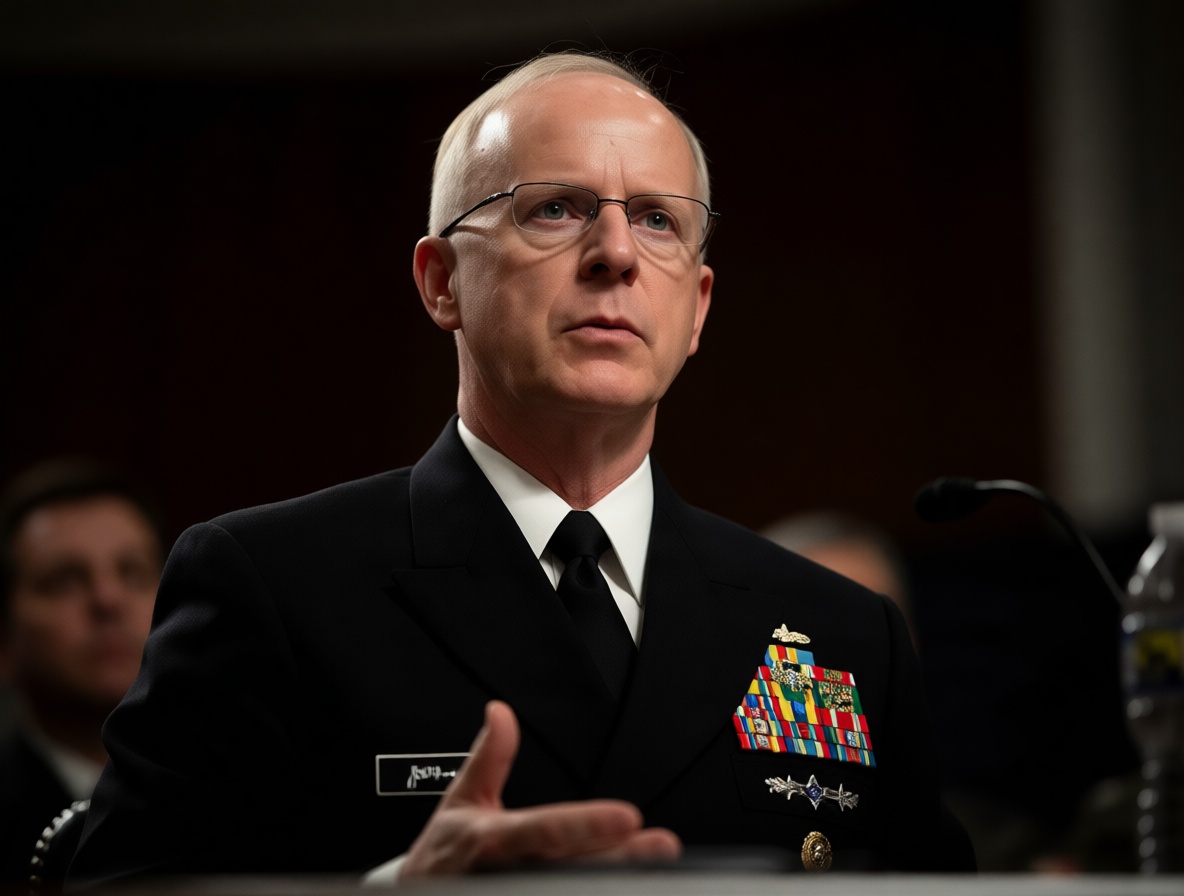
After months on the water, the promise of a port call is what keeps many sailors going. It’s the thought of solid ground and a chance to breathe. But when the next stop could be in Africa or India, that promise comes with unfamiliar ground, new rhythms, and a different kind of freedom.
Those changes don’t stay at the pier. They reach into family schedules, crew rotations, and the way the Navy loads a ship before it ever leaves. For sailors and the people waiting at home, it all adds up to a deployment that feels less predictable—and a moment of landfall that means more than just a break.
Shore Leave In Unfamiliar Waters
Imagine spending months aboard the USS Abraham Lincoln, with nothing but ocean outside your berth and the same faces in the same passageways. When you finally step ashore in Africa or India, the sensation is nothing like the familiar ports you’ve been picturing. The food smells different, the languages bounce around you, and every direction feels like a guess—so the joy of landfall comes with a quiet alertness you didn’t expect.
In a port you already know, your feet know where to go and your mind can relax. There’s a sense of what’s safe, a reliable way to reach home, and a rhythm you can trust, so the short hours ashore don’t ask for much thought. In Africa or India, those shortcuts disappear and every choice feels fresh, making a few hours on land both freeing and a little shaky—feelings that linger long after the ship sails.
For a sailor, this is the trade-off at the end of a long tour. The land you’ve been dreaming about isn’t the one you thought you’d get, so the break asks more of you than pure rest. But that’s exactly why it stays with you: the unfamiliar port becomes a story, not just a stop, and that story is part of what makes the deployment feel real.
The Ripple Effects On Crews And Families
A ship’s route might sound like a logistics detail, but it’s really a family story. When the Navy plans resupply stops in these new ports, the changes ripple far beyond the pier. Crew rotations can adjust, the timing of homecoming can move, and the schedule a family has been clinging to starts to look different.
Think about what that means for people waiting at home. A partner knows which evenings to expect contact and how to plan around a sailor’s return, and those small certainties are what make the months bearable. If the port call changes, those little anchors of routine get pulled up, so the wait feels less solid, the worry has more room to grow, and every plan has a question mark hanging over it.
For the sailor, it’s personal too: a shifted rotation can mean staying in one role longer or missing time at home, and even a small change can feel huge when you’re already far from home. For family members, it can mean moving their own schedules around a date that won’t stay still. The emotional weight of a deployment is already heavy, and this adds another layer of waiting to both sides of the ocean.
Preparing For A Longer Road
The Navy doesn’t start preparing a ship on the day it leaves. It decides what to load, how much food and fuel to carry, and what kind of mission to expect before anyone steps onboard, and that planning is now shifting toward Africa and India. Future crews will walk into deployment knowing the road ahead may be longer than it used to be, and the supplies loaded at the start matter more than ever.
That changes the mental game as much as the supply list. A sailor who expects a longer deployment than past tours starts with a different mindset: less counting down to a fixed date, more settling in for the distance. It’s the difference between running a sprint and pacing a marathon, and that mental shift affects how they use their energy every single day.
The honest part is that longer deployments don’t get easier just because you saw them coming. But knowing the Navy is adjusting its stock and its route choices can help future sailors prepare their own expectations instead of being blindsided. For a sailor, that knowledge is a kind of armor, turning a grueling stretch into something they can actually endure, one day at a time.
Conclusion

Longer deployments are becoming part of the plan, not just a rumor. That sounds heavy, and it is. But there’s a strange comfort in knowing the ground rules ahead of time, because the worst part of waiting is usually the not-knowing.
For the sailors who will face this, the takeaway is simple: adjust expectations now rather than fighting them later. The Navy is already thinking further ahead, stocking ships differently and shaping routes around the longer road. You can do the same with your own mindset—get ready for the distance, accept the uncertainty, and find a rhythm that carries you through.
What do you think? Does knowing Earth’s “delivery story” change how you feel when you look at the stars?


