

 Munzir Hakimi
Table of Contents
Introduction
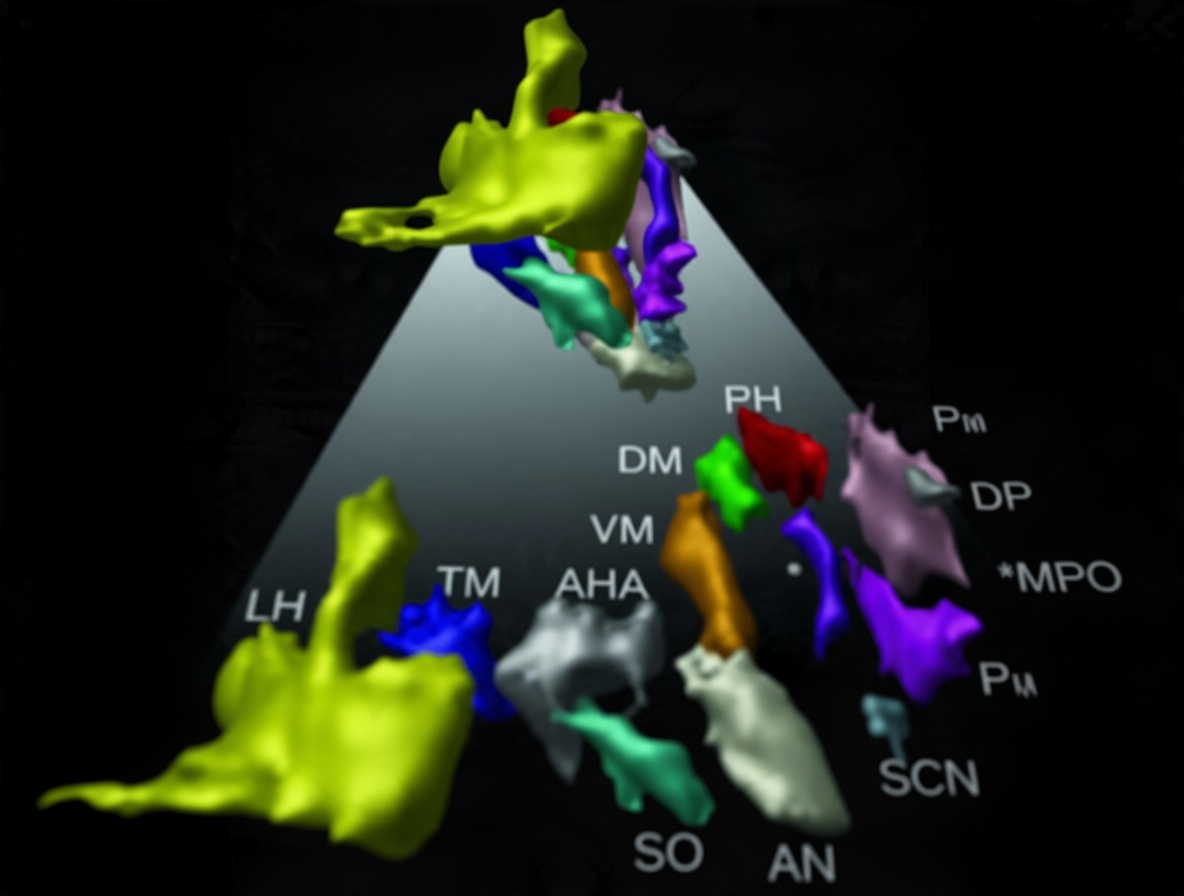
Imagine opening a tool and seeing two views of the same brain question sitting side by side. For a researcher using HypoAD, that moment can bring a quiet jolt, because a new comparison path appears. You don’t need to be in the lab to feel the pull of that curiosity. It’s the feeling of a tangled problem suddenly having a place to start.
Shared atlases can cut repeated data hunting, so labs may trade time lining up separate views for time deciding which hypothalamic changes to compare. And with HypoAD available to the research community, teams may compare aging and AD findings in one shared hypothalamic atlas. That matters because less scattered work can mean more room for the choices that move understanding forward.
The Quiet Jolt Of A New Comparison Path
A researcher opens HypoAD, and there they are: brain image measurements right beside single-cell transcriptome maps, which are maps of what single cells are doing. That pairing can land with a quiet jolt of recognition that is easy to miss in a busy day. It isn’t a loud alarm or a big reveal; it’s the quiet feeling that a new comparison path has appeared, and that can make someone lean in instead of turning away.
Why should you care if you never open HypoAD yourself? Because seeing two views together changes choices, and when measurements and maps sit side by side, a researcher doesn’t have to hold one picture in their head while hunting for the other. That small relief can turn a vague question into a sharper “what should I compare first?” and make the work feel less like searching and more like choosing.
Picture a researcher pausing for a moment. The jolt is very small, but their next decision gets clearer right then, and they can choose a next comparison with more confidence instead of second-guessing themselves. That tiny shift gives curiosity a direction, and a direction is what turns a quiet jolt into real next steps for the rest of the afternoon.
Less Data Hunting Means More Time To Decide
Think about the relief of not having to repeat the same search again and again, because shared atlases can cut that kind of repeated data hunting. When they do, labs may spend less time lining up separate views. That change sounds simple, but it can free up energy for the question that actually needs a human decision, and that can be a quiet relief for the people doing the work.
Why should you care if you’re not the one comparing brain data? Because less repeated work can change what a lab spends its day on. Instead of lining up separate views over and over, a team may get to decide which hypothalamic changes to compare, and that shift can feel like moving from busywork to a real choice where progress starts to feel possible.
Picture a lab meeting where the first question used to be “where do we find the data?” Now the first question may become “which hypothalamic changes should we compare?” That is a small, human difference in a room full of people who want to make a real choice together. It can turn frustration into focus, and focus is what makes the saved time feel worth having.
One Shared Atlas For Aging And Ad Findings
There’s a special kind of relief when two things you’ve had to think about separately finally sit in one place. With HypoAD available to the research community, teams may compare aging and AD findings in one shared hypothalamic atlas. That doesn’t solve everything by itself, but it can make the comparison feel less scattered and more possible for the people trying to make sense of it.
Why should you care if you’re not a researcher? Because a shared place for aging and AD findings can change how people picture the questions. A team can hold both kinds of findings in one shared hypothalamic atlas instead of treating them like separate rooms, and that can bring a sense of order to something that often feels hard to hold in your mind.
Picture someone hearing about aging research and AD research and finally being able to imagine them side by side. The hope isn’t that every question disappears; it’s that a team can choose a comparison with less confusion. That small shift can matter to anyone who wants research to feel a little more connected and a little less like a maze, because it gives quiet curiosity a calmer place to land.
Conclusion

So here is the quiet takeaway: HypoAD is now available to the research community, and teams may compare aging and AD findings in one shared hypothalamic atlas. That matters because a shared place can make a hard comparison feel less divided. You don’t have to read the atlas yourself to appreciate the relief of that.
The next time you hear about aging and AD research, you can picture teams looking at findings in one shared space instead of keeping them apart. That can give you a small sense of hope: the questions may feel more connected. And that connection is something you can carry with you, even if you are not the one doing the comparing.
What do you think? Does knowing Earth’s “delivery story” change how you feel when you look at the stars?