


 Munzir Hakimi
Table of Contents
Introduction
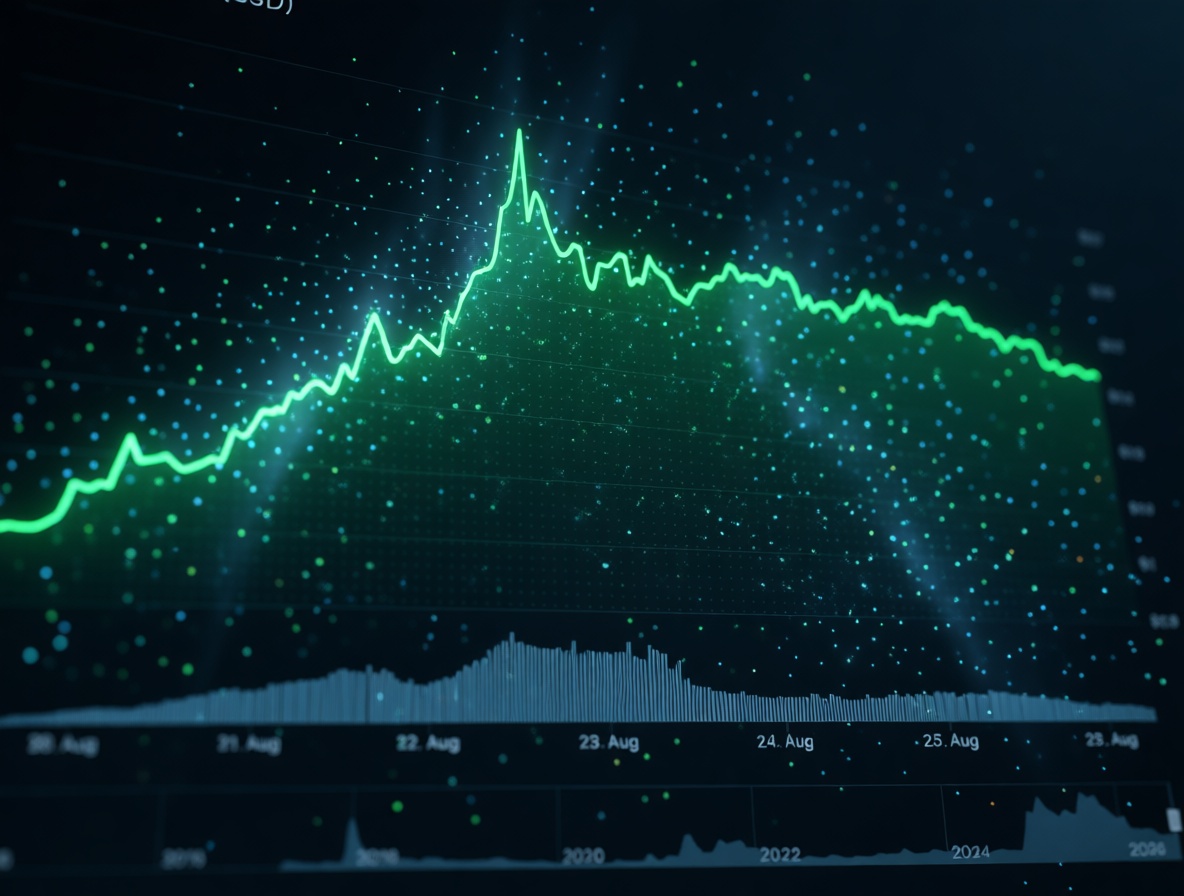
Imagine watching a coin climb all week and feeling unstoppable. That’s the high of a 44% rally. But when the price starts to fade, the climb can turn into worry. You start wondering if the good times are already over.
That worry is even sharper if you’re trading with borrowed money, because a pullback can trigger a margin call. At the same time, the market around XRP is moving faster than usual, so a quiet weekend check of your portfolio can feel like a shock. And with leverage at seven-month highs, casual traders are preparing to exit before things turn again. This is what today’s risk really feels like: hope, fear, and the sudden need to make a choice.
When A Winning Rally Becomes A Sudden Squeeze
Your heart is still pounding after watching XRP hit $1.50, and a 44% gain in one week feels like you finally picked the right side. But that kind of run never goes up forever, and the moment the price starts to slip, the same rally can become panic. The memory of green numbers disappears fast when red starts filling the screen.
For anyone holding leveraged positions, the pullback isn’t just a smaller number on screen—it can trigger a margin call, which means the platform forces you to close because the trade moved against you. That forced exit can happen quickly, leaving you no time to wait for a recovery or to second-guess your plan. A sudden drop can turn into stress.
So what does this mean for you? If you’ve been riding a big rally, the human instinct is to freeze when things turn red, and you start thinking about what you could lose instead of what you’ve gained. That feeling is normal, but it also matters because the decisions made in that moment often become the ones you replay later. The real danger is the panic that follows.
Why A Quiet Weekend Can Still Shake Your Portfolio
You expect instability when the news is loud, but sometimes the quiet times surprise you the most. Behind the scenes, XRP’s network activity jumped 654%, and options volume is up 299%—basically, more people are moving money and placing bets on the next move. Those are big signs that money moves faster than anyone expects.
When a marketplace gets this active, prices can swing harder without warning, so a portfolio check on a lazy Sunday might show a number that looks nothing like Friday’s. That sudden gap can feel personal, even though it’s just the market moving while you weren’t watching. It’s the kind of surprise that can ruin a relaxing weekend, make you question every choice you’ve made, and push you into a rushed decision you weren’t ready to make—and you might even check the price again an hour later, hoping the number was a mistake.
It’s easy to think checking the app is harmless when you’re just curious, but when volatility is this high, a single glance can change your whole mood in seconds. The human cost is the anxiety after a surprise number, and that anxiety doesn’t just disappear when you close the app—it stays with you and colors your next decision. So before you look this weekend, remember that a quiet Sunday doesn’t mean the market is taking a day off.
Why Casual Traders Are Watching The Exit
Leverage is at a seven-month high, so think of it as borrowed money that makes wins feel bigger and losses feel sharper. After a 44% rally, that kind of risk puts everyone on edge, even people who normally don’t think twice about the market. The excitement of a big week is now mixed with real fear, and that mix changes how people act.
When the stakes are this high, you don’t have to be a professional to want protection, and you don’t need a fancy strategy to feel the pressure. More casual traders are setting alerts or planning their exit before another pullback because they’d rather lock in something than watch it disappear—the thought of giving back those gains is too uncomfortable to ignore. The urge to protect what you have is completely natural, and it often feels smarter than chasing one more gain.
The practical result is that waiting becomes a decision too. If you ignore the risk, you’re choosing to stay in the game, and if you set an alert or step back, you’re putting your own peace of mind first. That kind of awareness doesn’t make the market predictable, but it makes the emotional side of trading feel less overwhelming, so you can sleep instead of staring at the charts.
Conclusion

After a week like this, it makes sense to feel unsure. Leverage doesn’t just change numbers; it changes how you sleep. You watch the price, you imagine the worst, and you wonder if you should have acted sooner. Setting an exit before another pullback is not overreaction—it’s a simple way to take control back.
You may not be able to predict the next move, but you can decide what you’re willing to risk. Casual doesn’t have to mean careless, especially when leverage is high and the rally is already huge. A few alerts and a clearer plan will make you feel a lot lighter than waiting for something to break. That’s not weakness; that’s taking responsibility for your own money.
What do you think? Does knowing Earth’s “delivery story” change how you feel when you look at the stars?